What dietary supplements relieve region up indicators of ADHD?
1. Omega-3s for Concentration
The fatty acids listing in cool-water fish love sardines and salmon that can even impartial relieve to enhance:
Behavior
Cognitive skills
Focal level
2. Zinc for Impulsivity
These dietary supplements may per chance well even impartial decrease hyperactivity and impulsivity. Low ranges of zinc also correlate with inattention.
3. Iron for Better Behavior
Some consultants imagine that iron deficiencies may per chance well even impartial make contributions to ADHD indicators, and that a supplement may per chance well even impartial enhance habits.
4. Magnesium for Still
Wholesome ranges of magnesium in the blood can relieve relax folk with ADHD, and restful a busy mind.
5. Weight loss program C for Wholesome Brain Feature
“Weight loss program C is vital in modulating the neurotransmitter dopamine on the synapses in the mind.” – Dr. Ned Hallowell
6. Melatonin for Sleep
Melatonin is a natural hormone produced in our our bodies that promotes sleep.
Be taught extra about natural therapies for ADHD: than a few-adhd-remedy-info/
Connected Sources
1. What to Expend, What to Withhold away from: /
2. Free Net: ADHD-Friendly Cooking Suggestions /
3. Free Webinar Replay: Unique Supplement Suggestions: The usage of Build Minerals and Plant Extracts to Form out ADHD in Childhood and Adults
/
Subscribe to the ADDitude YouTube Channel: w
Visit the ADDitude web bother: m
Apply ADDitude on Facebook: /
Apply ADDitude on Instagram: /
Apply ADDitude on Twitter: /
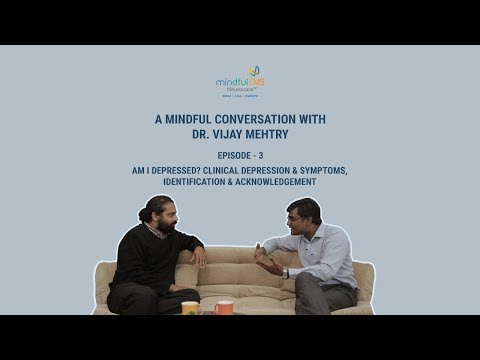
Interviewer: How do I know I am depressed, in-fact it is fashionable today to say I’m depressed
Doctor: Unfortunately some people have been using in that way, definitely it is not the right thing to do.
Clinical depression or depressive disorder it is not a fleeting thing. Human emotion is not a stable entity, sometimes you feel happy, sometimes you feel sad; it is a normal phenomenon. Just because you are feeling sad for a moment because of some incident, say you are feeling low for like half an hour or you are feeling upset for one hour, you cannot call that itself to be a depressive disorder or clinical depression
The first and foremost, characteristic of depression is a typical low mood that is pervasive. It should sustain for at least a minimum of two weeks.
Interviewer: How do I know that there is depression? Is there some kind of screening?
Doctor: There are some screening tests, but before that, we should understand the main symptom of depression – Pervasive low mood. You constantly feel low no matter what is happening in your external circumstances – whether there is something positive going on or not, you still constantly tend to feel low.
Interviewer: What is this constant that you refer to? For how long a period does it have to last?
Doctor: Diagnostic guidelines state that it should be for a period of two weeks, no less.
Interviewer: How does it feels like to be depressed?
Doctor: Nothing makes you happy. The lack of pleasure you feel even when you go through activities that were previously pleasurable experiences, disinterest in things that you may have been interested in earlier, you feel very easily fatigued, very easily tired, you are unable to concentrate, you can’t focus, you get easily irritated, you feel fidgety, angry and anxious.
Interviewer: So mostly if I were in that situation, I may not want to go see somebody… so how do I know that I should at least go and see a psychologist? Because for me, it may be like I’ll win this battle for sure… is there is a screening test?
Doctor: There are screening tests…
See, first and foremost is diagnosis of depression. Diagnosis of any psychiatric disorder including depression, depressive disorders and other disorders is mainly based on history and the information what we get from the individual herself or himself or the family members or the informant along with the doctor’s clinical observation. So based on that, a doctor or a psychologist can diagnose depression.
If you have to make use of any tools there are certain screening questionnaires just to back up your diagnosis which you have done by clinical examination.
There are certain screening tools like Hamilton Depression Rating Scale, PEX (Pectus excavatum) depression rating scale.
Some tools are also available online where you can go through it. While they may not be completely accurate, at least you will get an idea that you are trouble or maybe there is a possibility of you being depressed so kindly go and seek some professional help.
Interviewer: And then I think PHQ-9 test is there as well
Doctor: PHQ-9 is generally for your mental health, there are particular scales which are particularly designed to detect screen depression.
Not accurate but ultimately at least it will benefit you to a certain extent that it may help you to identify that you are depressed and one possible reason why people including entrepreneurs do not want to seek help is Stigma.
They feel that they have been in this position for a long duration of time, they are very strong person, but it can happen to anyone. It doesn’t mean that a person who is having depression or psychiatric illness are weak.
Any psychiatric illnesses including depressive disorder can happen to anyone, no one is immune to it.
Interviewer: So you are saying that it has nothing to do with your strength as a person…
Attention Deficit Hyperactivity Disorder (ADHD) is a mental health disorder that can cause High levels of hyperactive and impulsive behaviors.
People with ADHD may also have trouble focusing their attention on a single task or sitting still for long periods of time. Both adults and children can have ADHD.
How do you calm down an ADHD in child?
7 Ways to Calm Your Child with ADHD
Follow instructions.
Be consistent with your parenting.
Break up homework with activities.
Form the behavior.
Allow them to fidget.
Let your child play before taking on big tasks.
Help them practice relaxation.
At the age of 44, after a suicide attempt, I was diagnosed with clinical depression. Looking back at my life, I had been suffering for quite a while. Since then, I have managed my depression with antidepressants and therapy. Still, right now, I’m in a depressive episode.
Sure, everyone has been down, lonely or ‘depressed’ but clinical depression goes beyond just a mood. You feel it physically. You struggle with it mentally and you deal with it emotionally. It is like a massive wave that overcomes you.
In this episode, I talk about how clinical depression affects me (everyone’s experiences it differently). Fellow depression sufferers should be able to relate, but people who don’t suffer from it or who know people who do, might gain some insight.
Finally, I end the episode with a few things that people can do to support those who suffer from this illness.
Music Credits
Funkorama Kevin MacLeod (incompetech.com) Licensed under Creative Commons: By Attribution 3.0 License /
Your call Kevin MacLeod (incompetech.com) Licensed under Creative Commons: By Attribution 3.0 License /
0: 00 Introduction 0: 52 Symptoms Of Illness Anxiety Disorder 2: 07 Causes Of Illness Anxiety Disorder 3: 06 Diagnoses of Illness Anxiety Disorder 3: 37 Treatment for Illness Anxiety Disorder
Hypochondria or hypochondria refers to a condition where a person is overly concerned about a serious illness. The meaning of hypochondria is an old concept that has been repeatedly redefined. [1] Hypochondria is a condition that causes a misperception of the body’s condition or mind. This can be despite not having formally diagnosed. Hypochondriacs are people who have hypochondriasis. Hypochondriacs are overly concerned about any psychological or physical symptoms they notice, regardless of how minor, and believe they are suffering from a serious illness. [3]
Hypochondria can persist even after a doctor has examined a person. This is also known as hypochondriaism, which refers to the condition of being in a hypochondriatic or acute hypochondria. [4] Hypochondriacs often focus their worries on one particular symptom, such as muscle fatigue, gastro-intestinal problems or palpitations. Hypochondria must be diagnosed within six months. [5]
International Classification of Diseases (ICD-10) classifies hypochondriasis as a mental and behavioral disorder. [6] The Diagnostic and Statistical Manual of Mental Disorders (DSM-IV-TR) defines the disorder as a somatoform condition[7]. One study has found that it affects about 3% of primary care patients. [8] The 2013 DSM-5 replaced hypochondriasis by the diagnoses somatic symptom disorder (75%) or illness anxiety disorder (25%).. [9][10]
Get access to hundreds of LIVE workshops with the MedCircle psychologists & psychiatrists: m
"What is ADHD?" and "Do you have ADHD?" are both common questions. Once you are familiar with the symptoms and signs of ADHD, it is important to get the correct diagnosis. You might have a different mental disorder than ADHD if you experience some of these symptoms. What are the most common signs that lead to misdiagnosis? This video will show you why so many people misunderstand ADHD symptoms.
This is not the end of education. Learn more about adult ADHD and how you can spot it from Dr. Judy's full series HERE: d
It also includes -
What ADHD looks like in the brain
How a doctor can diagnose ADHD
Treatment options for ADHD & ADHD medication
Other options for ADHD help
A complete breakdown of ADHD symptoms and how to spot them
ADD vs ADHD
This discussion features Dr. Judy Ho, a triple-board certified neuropsychologist, and Kyle Kittleson, a MedCircle Host. They answer ... .
Is Dr. Judy a clinical expert who has seen this?
What are the symptoms of sensory processing disorder? It is often misdiagnosed with ADHD.
What are the signs and symptoms of anxiety in children, teens, and adults? It is often misdiagnosed with ADHD.
What are the signs and symptoms of autism? It is often misdiagnosed with ADHD.
What other mental health conditions are often misdiagnosed with ADHD? Why?
A comprehensive series of ADHD tips and tricks for children is also available: d
#ADHD #MentalHealth #MedCircle
*MedCircle does not provide referral services and does not endorse, encourage, discourage, screen or approve providers, products or services. Nor does MedCircle offer medical advice. This information does not constitute specific medical advice. It should not be used to replace the information your healthcare provider provides. For complete information regarding your health and treatment options, you should consult your healthcare provider. Only your healthcare provider can give you the right advice.
NatureLab Tokyo (Code HTRPOD10 for discount! ): u TikTok: g Main IG: / Comedy Instagram: /
SOURCES/ ADHD Information ADHD Symptoms in Women: /
ADHD in Women Symptom Checklist: /> ADHD looks different in women: /
How ADHD Symptoms Are Commonly Found in Women: 4
20 Common Symptoms for ADHD and ADD in Women: n
ADHD in Girls: Why It’s Ignored and Why That’s Dangerous /
ADDitude Mag /
Kaleidoscope Society: /
Podcasts: s IMDB: 6 T-Shirt IG: / Travel Channel: A Relationship Podcast: w Use H for Video Equipment #mentalhealthawarenessmonth #adhd #neurodivergent
Women girls are more vulnerable to mental illness than women with it
Elena is a middle school student who has lived with mental illness. In her Talk, she shares her experiences so that others can gain insight into living with depression and ADHD.
Elena is a middle school student who has lived with mental illness. In her Talk, she shares her experiences so that others can gain insight into living with depression and ADHD.
TED-Ed, TED’s education initiative, inspires tomorrow’s TED speakers and future leaders by supporting students in discovering, developing and sharing their big ideas in the form of short, TED-style talks. In the TED-Ed Student Talk program, students work together to discuss and celebrate creative ideas through TED-Ed’s flexible curriculum. Check out if you’re interested in getting started.
This presentation was completed by participating in a TED-Ed program and produced independently of the TED Conferences. Only approved participants are able to upload TED-Ed Student Talks.
*If you see any video that should be flagged as offensive, please let us know by emailing tededstudents@ted.com
Anxiety is an enhanced state in which one is extremely sensitive to detecting potential threats. One type of anxiety disorder known as generalized anxiety disorder (GAD), is characterized by excessive worry and uncontrollable concern about everyday matters. This disorder can have a significant impact on one's life and make it difficult to live a normal life. This video will explain the main features of GAD as well as ways to deal with it.
This video was created by McMaster students Abeer Ail, Ali Hamade and Mina Hanna in collaboration with McMaster Demystifying Medicine Program.
Copyright McMaster University 2018.
Subscribe to McMaster Demystifying medicine YouTube channel: e
This video is intended for educational purposes only. For information about your health, please consult your doctor.
#DemystifyingMedicine, #MentalHealth
References:
(2018). Tips for managing anxiety and stress. Retrieved from s
American Psychiatric Association. (2013). Diagnostic and statistical manual for mental disorders: DSM-5. Washington, DC: American Psychiatric Association.
Beesdo, K., Knappe, S., & Pine, D. S. (2009). Anxiety and anxiety disorders in children and adolescents: developmental issues and implications for DSM-V. Psychiatric Clinics, 32(3), 483-524.
Dulin, P. L., & Passmore, T. (2010). The relationship between lifetime trauma and anxiety in the later years of life and accumulated trauma can be mitigated by avoiding potentially traumatic stimuli. Journal of Traumatic Stress: Official Publication of The International Society for Traumatic Stress Studies, 23(2), 296-299.
Heim, C., & Nemeroff, C. B. (2001). Preclinical and clinical research on the role of childhood trauma in neurobiology of anxiety and mood disorders. Biological psychiatry, 49(12), 1023-1039.
Lau, J. Y., Eley, T. C., & Stevenson, J. (2006). A behavioural genetic approach to the study of the state-trait anxiety relationship. Journal of abnormal child psychology, 34(1), 18.
Rodriguez, D. (2009). How to manage panic attacks. Retrieved from x
Seedat, S., Scott, K.M., Angermeyer, M.C. (2009). Cross-national associations of gender and mental disorders in World Health Organization World Mental Health Surveys. Arch Gen Psychiatry, 66(7), 785-795.
Teichman, M., Barnea, Z., & Rahav, G. (1989). Adolescent substance abusers: depressive mood, state anxiety, and sensation seeking International Journal of the Addictions, 24(2), 87-99.
Finding help for anxiety: Understanding it and how to get it. Retrieved from http://www.rescue-anxiety.org
NCMH research champion Laura discusses why she chose to take part in the Centre’s mental health research.
ABOUT NCMH
The National Centre for Mental Health (NCMH) is working to find out more about what causes mental health problems such as depression, bipolar disorder, schizophrenia, ADHD and PTSD.
NCMH is made up of researchers from Cardiff, Swansea and Bangor Universities, and funded by Health and Care Research Wales.
We aim to improve life for people affected by mental health problems by supporting and undertaking mental health research, raising awareness of mental health issues and fighting stigma.
Together we can make a difference for mental health.
This simple exercise will help you to use your breathing to pay attention to your thoughts and feelings. You'll feel more calm and relaxed. Although anxiety is common, excessive worry and anxiety can lead to stress.
This short exercise is based on meditation and psychology. It can be done whenever you have a few minutes to spare.
Author: Dr. Keating Cffey is the author and voice behind the English language YOU exercises. He has been using mindfulness to help his patients in psychotherapy for 15 many years. He is a graduate of the Hakomi Institute with a Masters degree in Counseling Psychology and a Doctorate. He is involved in the programs of Insight Meditation Society, Spirit Rock Meditation Center, and Cambridge Institute for Meditation and Psychotherapy.
5
3
y
NCMH research champion Laura discusses why she chose to take part in the Centre’s mental health research.
ABOUT NCMH
The National Centre for Mental Health is trying to understand the causes of mental disorders such as bipolar disorder, schizophrenia and ADHD.
The NCMH is composed of researchers from Cardiff University, Swansea University, and Bangor Universities. It is funded by Health and Care Research Wales.
Our mission is to improve the lives of people with mental health problems. We support and conduct mental health research and raise awareness about mental health issues.
Exercise helps Michael maintain a routine, which keeps him accountable to his adult ADHD treatment. Find out why exercise is so helpful. Take a look.
Find more info at 'How I Developed an Exercise Routine to Combat ADHD'
▷ Subscribe to the HealthyPlace YouTube Channel at
▷ Visit for Trusted Mental Health Information
Exercise helps my ADHD, but I had to find a way to make it routine. And if you've lived with ADHD, you know how hard that can be. Find out how I did it at HealthyPlace.
▷ f
▷ See the latest posts on the 'Living with Adult ADHD' blog at g
Get more videos about coping with adult ADHD here:
▷ Adult ADHD Playlist |
Visit HealthyPlace for more:
▷ In-depth ADD and ADHD Articles | s
Follow HealthyPlace on Social Media:
▷ Facebook | t
▷ Twitter | g
▷ Instagram | 3
Most disorders both mental and physical are managed and not cured. We think of cure in medicine as the complete reversal or disappearance of an illness. This is what we can do to fix a broken leg. You can also treat a vitamin deficiency with a vitamin supplement.
This video will discuss the most common mental illnesses that can come and go throughout your life and how they change over time. These are major depression, schizophrenia, bipolar disorder, anxiety disorders and attention deficit hyperactivity disorder.
Bipolar disorder and major depression are both recurring disorders that cause episodes that last for a while then disappear. There are some people who have chronic symptoms. However, the most common picture is one where you have episodic episodes that resolve and then return. There are periods between when you have very few symptoms and no symptoms. A remission is when your symptoms disappear. It is a relapse when your symptoms return. Both bipolar disorder and depression are relapsing or remitting disorders.
Anxiety disorders can behave differently. They are not episodic and tend to fluctuate in intensity over time. It’s like a wave with peaks and then recedes. You may need treatment for anxiety that is difficult to manage. There are also times when it isn’t so bad. It’s not possible to be completely anxiety-free. Your symptoms can be managed.
Over the course of your lifetime, attention deficit hyperactivity disorder can behave differently to anxiety. As an adult, symptoms may improve or almost disappear. However, symptoms may not disappear completely. You may experience residual ADHD symptoms such as slow reading, disorganization, and a poor listener. You may not have a lot of problems with little things. ADHD symptoms can be more severe if you are stressed out because of a difficult time in your life.
Schizophrenia is more like a series or plateaus. One person may have mild symptoms at first, but they don’t always appear to be suffering from schizophrenia. The symptoms eventually become severe. A video explaining schizophrenia was made by me. You can click the link at the bottom of the video description to go to the video. The usual course of schizophrenia is that symptoms become severe and a person can stay at the same level for years. The symptoms begin to increase and then the symptoms start to decline. Although you may be able to get more medication, this seems to be the new baseline. This is especially true for cognitive symptoms. This is a stepwise downward trend, and not a gradual decline as some people may experience. This pattern can have a very long interval, like years. If someone develops this disorder at 25, and then lives to 75, they may only need to go down three or four steps.
You want to learn more about mental health, self-improvement and other topics? On this channel I discuss topics such as bipolar disorder, major depression, anxiety disorders, attention deficit disorder (ADHD), relationships and personal development/self-improvement. I upload weekly. Click here to subscribe if you don’t wish to miss a video.
Disclaimer: The information contained on this channel is intended for education purposes only and does not constitute specific/personal medical advice. The videos and the answers to questions/comments do not create a doctor-patient relationship. These videos may be helpful for you if you are a patient of your own doctor.
In this episode, I host Dr. Samer Hattar, Chief of the Section on Light and Circadian Rhythms at the National Institute of Mental Health. Dr. Hattar, a world-renowned expert, discusses how light viewing at certain times can affect our mood, ability learn, stress levels, hormone levels, appetite and mental health. How to use your personal light sensitivity to find the best sleep-wake rhythm for you. In order to optimize mental and physical function, we also discuss how to use your light viewing and waking times to coordinate with your food intake and exercise. Dr. Hattar is responsible for discovering the neurons within the eye that regulate mood and appetite and set our circadian clocks. Because our cells and circadian clocks are interconnected across many days, even a small shift in daylight savings can have huge effects on biking. He also provides specific tools that can be used to quickly adjust to shift work and jetlag. This episode contains cutting-edge information on human physiology as well as practical tools that can be used by people of all ages.
We are grateful to our sponsors:
ROKA - Code: "huberman "
InsideTracker -
Magic Spoon -
Support Research at Stanford Huberman Lab:
g
Our Patreon page
n
Supplements from Thorne
n
Social:
Instagram - b
Twitter - b
Facebook - b
Website - m
Newsletter - k
Samer Hattar:
Twitter: r
Instagram: r
Wikipedia: r
Links:
Graphical explanation of the temperature minimum for overcoming jetlag: /
Timestamps:
00: 00: 00 Introducing Dr. Samer Hattar, Ph.D.
00: 02: 17 Sponsors: ROKA, InsideTracker, Magic Spoon
00: 06: 15 Light, Circadian (24 hour) & Circannual (365 day) "Photoentrainment"
00: 14: 30 Neurons in Our Eyes That Set Our Body Clocks: Similar to Frog Skin
00: 18: 55 What Blind People See
00: 20: 15 When, How & How Long to View Light for Optimal Sleep & Wakefulness
00: 30: 20 Sunlight Simulators, Afternoon Light Viewing, Naps
00: 33: 48 Are You Jetlagged at Home? The Success of Early Risers Chronotypes
00: 38: 33 How to Decide Your Best Sleep-Wake Schedule; Minimal Light Test
00: 42: 16 Viewing Light in Middle of Day: Mood & "Light Hunger"
00: 44: 55 Evening Sunlight; Blueblocker Warning
00: 48: 57 Blue Light Is Not the Issue; Samer's Cave; Complete Darkness
00: 53: 58 Screens at Night
00: 56: 03 Dangers of Bright Light Between 10 pm and 4 am: Mood & Learning
01: 01: 05 The Tripartite Model: Circadian, Sleep Drive, Feeding Schedules
01: 05: 05 Using Light to Enhance Your Mood; & The Hattar-Hernandez Nucleus
01: 07: 19 Why Do We Sleep?
01: 08: 17 Effects of Light on Appetite; Regular Light & Meal Times
01: 18: 08 Samer's Experience with Adjusting Meal Timing
01: 22: 51 Using Light to Align Sleep, Mood, Feeding, Exercise & Cognition
01: 30: 15 Age-Related Changes in Timing of Mental & Physical Vigor
01: 31: 44 "Chrono-Attraction" in Relationships; Social-Rhythms
01: 33: 40 Re-setting Our Clock Schedule; Screen Devices Revisited
01: 37: 50 How Samer Got into the Study of Light
01: 39: 33 Clock Gene mRNAs & More Accurate Biomarkers
01: 41: 08 Light as Medicine
01: 42: 48 ADHD (Attention-Deficit Hyperactivity Disorder)
01: 43: 35 How to Beat Jetlag: Light, Temperature, Eating
01: 50: 44 Vigor: The Consequence of Proper Timing
01: 52: 15 Waking in the Middle of the Night: When Your Nightly Sleep Becomes a Nap
01: 54: 10 Melatonin, Pineal Calcification
01: 55: 25 Our Seasonal Rhythms: Mood, Depression, Lethargy & Reproduction
01: 59: 08 Daylight Savings: Much Worse Than It Might Seem
02: 05: 27 Eye Color & Sensitivity to Light, Bipolar Disorder
02: 09: 28 Spicy Food, Genetic Variations in Sensory Sensitivity
02: 10: 52 Synthesizing This Information, Samer on Twitter, Instagram
02: 13: 00 Conclusions, Ways To Support the Huberman Lab Podcast & Research
The Huberman Lab Podcast does not include Dr. Huberman's research and teaching roles at Stanford University School of Medicine. This podcast is not intended to replace medical advice. The Huberman Lab Podcast, its guests, and affiliates, assume no responsibility for the use of the information.
Elena is a middle school student who has lived with mental illness. She shares her personal experiences to help others understand the challenges of living with ADHD and depression.
Elena, a middle-school student, has experienced mental illness. She shares her personal experiences to help others understand the challenges of living with ADHD and depression.
TED-Ed is TED’s education initiative. It inspires tomorrow’s TED speakers and future leaders through supporting students in developing, sharing and sharing big ideas in short, TED-style talks. Students can collaborate to share and celebrate their creative ideas with TED-Ed’s flexible curriculum. If you are interested in starting, check out this page.
This presentation was created independently by TED Conferences and was made possible through a TED Education program. Only approved participants can upload TED-Ed student talks.
*If you see any video that should be flagged as offensive, please let us know by emailing tededstudents@ted.com
Are you enjoying ADHD is the new BLACK?
Would you like to see videos more often?
Me, too.
My goal is to produce MORE high-quality videos at a FASTER PACE with content that entertains, educates, and reflects black women and WOC living with ADHD.
If you'd like to financially support this work, go to my Patreon page.
/>
Become a monthly subscriber or a one-time donor.
I'm still brainstorming perks for monthly subscribers.
To the very FIRST monthly subscriber-: you'll receive a perk unique to you as the "Founding Supporter" of ADHD is the new Black.
Without support, ADHD is the new Black will become ADHD is the Last Black.
I love you, my sistas!!!
ABOUT THIS EPISODE
Picking up on the drama of the previous episode, we continue the series on how ADHD affects our social skills. As many of you know, social skills are more challenging for us than others who don't have ADHD. And even within the ADHD population, there are some who are more impacted by this symptom than others.
WHY THIS TOPIC?
I chose "Over/Under reacting" as the number-three of the most worrisome Social Skills because it is a theme that has popped up in my life enough that caused me to think there was something wrong with my personality. I've lost friends over this particular quirk and it's led me down paths where I prioritized things that didn't need immediate attention and catastrophized events that didn't warrant the drama I gave to it.
NEED TO CATCH UP?
Need to catch up on the videos about Social Skills? Find them here:
Ep. 5 "That Was Awkward" ADHD and Social Awkwardness" Q
Ep. 5.2 "Five (5) Tips to Fix Your Social Skills Ills" 8
Here are the Social Skills covered so far in Ep. 5.2
5. Blowing off or canceling plans on friends and other commitments.
4. Not paying attention to what is being said to you in conversations
3. (this episode) Under Reacting or Over Reacting (or "inappropriate" reactions to information or circumstances presented.
INTERESTING STUFF ABOUT YOUR ADHD
Check out this helpful article from Understood.org The information applies to adults and children.
s
As mentioned in this episode, learn here how raising your awareness can improve your social skills.
BE AWARE! ADHD
How does your awareness affect your social skills, your life skills even?
Find out here!
ADHD Insight: Third-Person Awareness
Y
FIND OUT IF YOU REALLY HAVE ADHD
If you have not received an official ADHD diagnosis but want one, here is a self-assessment to help you on your journey. The assessment is provided by the Attention Deficit Disorder Association. NOTE: Just like all self-assessments on the internet, this will not give you an official medical diagnosis of ADHD. Self-diagnosis is the conversation starters between you and your healthcare provider when seeking a medical diagnosis.
ADHD Self-assessment
/
Your diagnosis must come from a healthcare professional from any of the following areas of practice (this is not an exhaustive list.)
Psychiatrist
Psychologist (will refer you to a psychiatrist for prescription meds if you choose to try them)
General Practitioner
Internist (that's where I received my first prescriptions)
Pediatrician
Neurologist
Any licensed Medical Doctor or health care professional who is knowledgeable about ADHD, current on treatment options, and ideally, has experience treating adult ADHD
MUSIC CREDITS:
Funk City by Reatch
Creative Commons — Attribution 3.0 Unported— CC BY 3.0
Free Download / Stream:
Music promoted by Audio Library 8
Jazzaddict's Intro by Cosimo Fogg (201)
Creative Commons — Attribution 3.0 Unported— CC BY 3.0
Free Download / Stream:
Music promoted by Audio Library M
Swing Rabbit ! Swing ! by Amarià
Creative Commons — Attribution 3.0 Unported — CC BY 3.0
Free Download / Stream:
Music promoted by Audio Library M