Pages

Showing posts with label #ptsd. Show all posts

Monday, January 30, 2023

Your Brain on Stress and Anxiety

featured image

Stress is the way our bodies and minds react to something which upsets our normal balance in life. Stress is how we feel and how our bodies react when we are fearful or anxious. Some level of stress has some upside to mind and body function to enable us to react in a positive way. Too much stress though, is both harmful to the body and our performance. How much is too much? Well, that depends… on you and how you respond.

It is essential to know how our brain responds to the stimuli which trigger an anxiety response so that you are equipped to deal appropriately with anxiety.

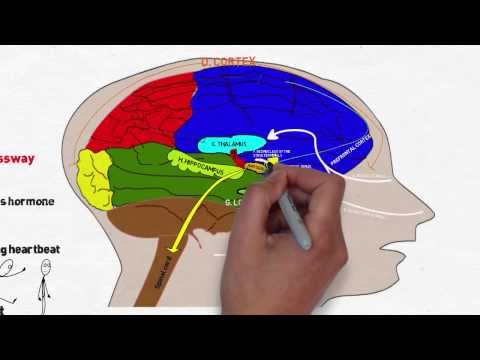
Let me highlight the key areas of your brain that are involved, and then I will explain what happens inside the brain.

The Thalamus is the central hub for sights and sounds. The thalamus breaks down incoming visual cues by size, shape and colour, and auditory cues by volume and dissonance, and then signals the cortex.

The cortex then gives raw sights and sounds meaning enabling you to be conscious of what you are seeing and hearing. And I’ll mention here that the prefrontal cortex is vital to turning off the anxiety response once the threat has passed.

The amygdala is the emotional core of the brain whose primary role is to trigger the fear response. Information passing through the amygdala is associated with an emotional significance.

The bed nucleus of the stria terminals is particularly interesting when we discuss anxiety. While the amygdala sets off an immediate burst of fear whilst the BNST perpetuates the fear response, causing longer term unease typical of anxiety.

The locus ceruleus receives signals from the amygdala and initiates the classic anxiety response: rapid heartbeat, increased blood pressure, sweating and pupil dilation.

The hippocampus is your memory centre storing raw information from the senses, along with emotional baggage attached to the data by the amygdala.

Now we know these key parts, what happens when we are anxious, stressed or fearful?

Anxiety, stress and, of course, fear are triggered primarily through your senses:

Sight and sound are first processed by the thalamus, filtering incoming cues and sent directly to the amygdala or the cortex.

Smells and touch go directly to the amygdala, bypassing the thalamus altogether. (This is why smells often evoke powerful memories or feelings).

Any cues from your incoming senses that are associated with a threat in the amygdala (real or not, current or not) are immediately processed to trigger the fear response. This is the expressway. It happens before you consciously feel the fear.

The hippothalmus and pituitary gland cause the adrenal glands to pump out high levels of the stress hormone coritsol. Too much short circuits the cells of the hippocampus making it difficult to organize the memory of a trauma or stressful experience. Memories lose context and become fragmented.

The body’s sympathetic nervous system shifts into overdrive causing the heart to beat faster, blood pressure to rise and the lungs hyperventilate. Perspiration increases and the skin’s nerve endings tingle, causing goosebumps.

Your senses become hyper-alert, freezing you momentarily as you drink in every detail. Adrenaline floods to the muscles preparing you to fight or run away.

The brain shifts focus away from digestion to focus on potential dangers. Sometimes causing evacuation of the digestive tract thorough urination, defecation or vomiting. Heck, if you are about to be eaten as someone else’s dinner why bother digesting your own?

Only after the fear response has been activated does the conscious mind kick in. Some sensory information, takes a more thoughtful route from the thalamus to the cortex. The cortex decides whether the sensory information warrants a fear response. If the fear is a genuine threat in space and time, the cortex signals the amygdala to continue being on alert.

Fear is a good, useful response essential to survival. However, anxiety is a fear of something that cannot be located in space and time.

Most often it is that indefinable something triggered initially by something real that you sense, that in itself is not threatening but it is associated with a fearful memory. And the bed nucleus of the stria terminals perpetuate the fear response. Anxiety is a real fear response for the individual feeling anxious. Anxiety can be debilitating for the sufferer.

Now that you know how anxiety happens in your brain, we can pay attention to how we can deliberately use our pre-frontal cortex to turn off an inappropriate anxiety response once a threat has passed.

Background Music: My Elegant Redemption by Tim McMorris. 4

I highly recommend that you also check out Lisa Feldman Barret’s book on How Emotions are Made as this new research questions the assertions I make in the video (yes, I was probably wrong :-))

Find out how we can help, m


https://medbusiness.net/your-brain-on-stress-and-anxiety/

Do you know about the importance of reflex integration? These small movements that each of us makes when we're infants lay the foundation for growth into functioning adults. Unfortunately many kids now are missing out on some of these movements and the results are ADHD-like behaviors.

But the good news is these movements can be reintroduced at anytime, even for adults! Sonia Story is an expert in these movements and shares with me how key they are in development and getting our kids unstuck.

In this video Sonia shares:
-The three keys parents need to know about
- -Rhythmic movement
- -Innate reflex movement
- -Sensory processing
- And some red flags parents can watch for

Links
Sonia's website: /
Red flags of unintegrated reflexes: /
Case studies: /

Friday, January 20, 2023

Anxiety Disorders explained in 5 mins!!!

featured image

There are 5 anxiety disorder that you may encounter during rotations especially during Psych. These include: GAD, Phobias, Panic Attacks, OCD, & PTSD. This short videos explains each one, how to diagnose these disorders and how to treat them.


https://bestanxietycrystals.com/anxiety-disorders-explained-in-5-mins/

Your Brain on Stress and Anxiety

featured image

Stress is the way our bodies and minds react to something which upsets our normal balance in life. Stress is how we feel and how our bodies react when we are fearful or anxious. Some level of stress has some upside to mind and body function to enable us to react in a positive way. Too much stress though, is both harmful to the body and our performance. How much is too much? Well, that depends… on you and how you respond.

It is essential to know how our brain responds to the stimuli which trigger an anxiety response so that you are equipped to deal appropriately with anxiety.

Let me highlight the key areas of your brain that are involved, and then I will explain what happens inside the brain.

The Thalamus is the central hub for sights and sounds. The thalamus breaks down incoming visual cues by size, shape and colour, and auditory cues by volume and dissonance, and then signals the cortex.

The cortex then gives raw sights and sounds meaning enabling you to be conscious of what you are seeing and hearing. And I’ll mention here that the prefrontal cortex is vital to turning off the anxiety response once the threat has passed.

The amygdala is the emotional core of the brain whose primary role is to trigger the fear response. Information passing through the amygdala is associated with an emotional significance.

The bed nucleus of the stria terminals is particularly interesting when we discuss anxiety. While the amygdala sets off an immediate burst of fear whilst the BNST perpetuates the fear response, causing longer term unease typical of anxiety.

The locus ceruleus receives signals from the amygdala and initiates the classic anxiety response: rapid heartbeat, increased blood pressure, sweating and pupil dilation.

The hippocampus is your memory centre storing raw information from the senses, along with emotional baggage attached to the data by the amygdala.

Now we know these key parts, what happens when we are anxious, stressed or fearful?

Anxiety, stress and, of course, fear are triggered primarily through your senses:

Sight and sound are first processed by the thalamus, filtering incoming cues and sent directly to the amygdala or the cortex.

Smells and touch go directly to the amygdala, bypassing the thalamus altogether. (This is why smells often evoke powerful memories or feelings).

Any cues from your incoming senses that are associated with a threat in the amygdala (real or not, current or not) are immediately processed to trigger the fear response. This is the expressway. It happens before you consciously feel the fear.

The hippothalmus and pituitary gland cause the adrenal glands to pump out high levels of the stress hormone coritsol. Too much short circuits the cells of the hippocampus making it difficult to organize the memory of a trauma or stressful experience. Memories lose context and become fragmented.

The body’s sympathetic nervous system shifts into overdrive causing the heart to beat faster, blood pressure to rise and the lungs hyperventilate. Perspiration increases and the skin’s nerve endings tingle, causing goosebumps.

Your senses become hyper-alert, freezing you momentarily as you drink in every detail. Adrenaline floods to the muscles preparing you to fight or run away.

The brain shifts focus away from digestion to focus on potential dangers. Sometimes causing evacuation of the digestive tract thorough urination, defecation or vomiting. Heck, if you are about to be eaten as someone else’s dinner why bother digesting your own?

Only after the fear response has been activated does the conscious mind kick in. Some sensory information, takes a more thoughtful route from the thalamus to the cortex. The cortex decides whether the sensory information warrants a fear response. If the fear is a genuine threat in space and time, the cortex signals the amygdala to continue being on alert.

Fear is a good, useful response essential to survival. However, anxiety is a fear of something that cannot be located in space and time.

Most often it is that indefinable something triggered initially by something real that you sense, that in itself is not threatening but it is associated with a fearful memory. And the bed nucleus of the stria terminals perpetuate the fear response. Anxiety is a real fear response for the individual feeling anxious. Anxiety can be debilitating for the sufferer.

Now that you know how anxiety happens in your brain, we can pay attention to how we can deliberately use our pre-frontal cortex to turn off an inappropriate anxiety response once a threat has passed.

Background Music: My Elegant Redemption by Tim McMorris. 4

I highly recommend that you also check out Lisa Feldman Barret’s book on How Emotions are Made as this new research questions the assertions I make in the video (yes, I was probably wrong :-))

Find out how we can help, m


https://bestanxietycrystals.com/your-brain-on-stress-and-anxiety/

Friday, January 6, 2023

𝐓𝐫𝐚𝐮𝐦𝐚 𝐓𝐢𝐩𝐬 #𝟑- 𝐋𝐢𝐦𝐢𝐭 𝐲𝐨𝐮𝐫 𝐞𝐱𝐩𝐨𝐬𝐮𝐫𝐞

featured image

This is Our 3rd video in our 5 video topical series giving you practical tips on how to manage your trauma by Clinical Psychologist and Christian Communicator, Erich Schoeman.

—————
🎙 Subscribe to the podcast on any podcast player. l
—————-
​If you desire to live a life that’s emotionally restored, psychologically developed and spiritually empowered, then Matters of the Soul is for you! Here you find up-to-date Christian Psychology content that will strengthen your soul and relationship with God through Jesus Christ.
– Erich Schoeman, Clinical Psychologist –

Are you looking for great psychological and life skills info that also has a Biblical basis? Then you’re at the right place! A variety of topics are addressed by Clinical Psychologist and Christian communicator Erich Schoeman. Topics range from trauma, clinical depression to stress management and couples communication and lots more!

Websites: / g
Facebook link: l
Instagram link: />Podcasts: l

Subscribe to receive weekly short video and audio updates. It will be wonderful if you could join us!


https://bestanxietycrystals.com/%f0%9d%90%93%f0%9d%90%ab%f0%9d%90%9a%f0%9d%90%ae%f0%9d%90%a6%f0%9d%90%9a-%f0%9d%90%93%f0%9d%90%a2%f0%9d%90%a9%f0%9d%90%ac-%f0%9d%9f%91-%f0%9d%90%8b%f0%9d%90%a2%f0%9d%90%a6%f0%9d%90%a2%f0%9d%90%ad/

Sunday, January 1, 2023

Join Us for #OurAnxietyStories – Thriving With Anxiety – October 10, 2019

featured image

On October 10, 2019, we’re celebrating World Mental Health Day by launching #OurAnxietyStories, a campaign to celebrate the courage and strength of people thriving with anxiety!

Live on YouTube from 11AM to 7PM PST, our host John Bateman will interview dozens of Canadians with anxiety – including icons such as actor/comedian Cathy Jones, Sloan drummer Andrew Scott and celebrity chef Bruno Feidelsen, as well as folks from all walks of life. John will also be chatting with leading experts in anxiety treatment from across the country.

Most importantly – we’re inviting listeners like you to share your stories on all the major social media platforms, using the hashtag #OurAnxietyStories. As people with anxiety, our experience matters. There’s power and pride in talking about our anxiety. And the more we talk about it, the more likely it is that one day everyone will be able to get the mental health support they need.

Now more than ever Canadians desperately need Anxiety Canada’s resources:

• A recent poll of 1,500 Canadians found that 41% of those surveyed identified themselves as “someone who struggles with anxiety”.
• It’s widely accepted that “timely access to needed mental health services is a critical issue facing consumers nationwide”. Meanwhile, private care options – costing $180 to $200 per hour nationally – remain out-of-reach for most Canadians.

Music: www.BenSound.com


https://bestanxietycrystals.com/join-us-for-ouranxietystories-thriving-with-anxiety-october-10-2019/

Thursday, December 15, 2022

Emotional Distress Syndrome PTSD | ADHD Podcast with James Ochoa

featured image

In this episode Tara McGillicuddy talks to James Ochoa about debilitating emotional and mental distress of ADHD and how it can develop into a low grade PTSD or “Emotional Distress Syndrome”. James provides strategies to learn how to navigate life in an empowered way by resetting and creating ways to develop insulation from the EDS of ADHD.

James Ochoa, LPC, author of Focused Forward: Navigating the Storms of Adult ADHD, is founder and director of The Life Empowerment Center in Austin, TX. James offers action-focused counseling and executive coaching to help his clients discover ways to empower themselves in all areas of their lives. His passion is treating the emotional distress of ADHD so clients can begin to build internal worlds in their imagination to manage their attention challenges.

James has a B.A. in Psychology from the University of Texas @ Austin and his M.Ed. in Counseling & Guidance from Texas State University in San Marcos, TX.

Learn more about James Ochoa at: /

ADHD Support Talk Radio is an award winning Podcast for Adults with ADD / ADHD. Co-hosts Tara McGillicuddy and Lynne Edris are joined by Adult ADHD experts and they cover important topics related to Adult ADD / ADHD. Podcast guests include Dr. Edward Hallowell, Dr. Stephanie Sarkis, Dr. Ari Tuckman, Laurie Dupar, Terry Matlen and many more.

Tara McGillicuddy is the Producer, Owner and Co-host of the ADHD Support Talk Radio Podcast. You may contact Tara with general questions or feedback about the podcast.

Lynne Edris is the Co-host of the ADHD Support Talk Radio Podcast. You may contact Lynne with feedback about her episodes or if you are interested in having her interview you as a guest.

/

#adhdpodcast, #stress, #PTSD


https://medbusiness.net/emotional-distress-syndrome-ptsd-adhd-podcast-with-james-ochoa/

Former rugby referee and NCMH Research Champion Clive Norling shares his experience of depression and explains why he got involved in our research.

ABOUT NCMH

The National Centre for Mental Health (NCMH) is working to find out more about what causes mental health problems such as depression, bipolar disorder, schizophrenia, ADHD and PTSD.

NCMH is made up of researchers from Cardiff, Swansea and Bangor Universities, and funded by Health and Care Research Wales.

We aim to improve life for people affected by mental health problems by supporting and undertaking mental health research, raising awareness of mental health issues and fighting stigma.

Together we can make a difference for mental health.

Saturday, December 10, 2022

Woman’s Anxiety Causing Her to Stutter

featured image

The Doctors welcome Camron, who says she is suffering from PTSD and anxiety, which is also affecting her speech and causing her to stutter when she has an anxiety attack.

Subscribe to The Doctors: s
Like us on Facebook: s
Follow us on Twitter: r
Follow us on Instagram: V
Follow us on Pinterest: s

About The Doctors:

The Doctors is an Emmy award-winning daytime talk show hosted by ER physician Dr. Travis Stork, plastic surgeon Dr. Andrew Ordon and OB-GYN Dr. Nita Landry.

The Doctors helps you understand the latest health headlines, such as the ice bucket challenge for ALS and the Ebola outbreak; delivers exclusive interviews with celebrities dealing with health issues, such as Lamar Odom, Teen Mom star Farrah Abraham, reality stars Honey Boo Boo and Mama June, and activist Chaz Bono; brings you debates about health and safety claims from agricultural company Monsanto and celebrities such as Jenny McCarthy; and shows you the latest gross viral videos and explains how you can avoid an emergency situation. The Doctors also features the News in 2: 00 digest of the latest celebrity health news and The Doctors’ Prescription for simple steps to get active, combat stress, eat better and live healthier.

Now in its eighth season, The Doctors celebrity guests have included Academy Award Winners Sally Field, Barbra Streisand, Jane Fonda, Marcia Gay Harden, Kathy Bates and Marisa Tomei; reality stars from Teen Mom and The Real Housewives, as well as Kris Jenner, Caitlyn Jenner, Melissa Rivers, Sharon Osbourne, Tim Gunn and Amber Rose; actors Jessica Alba, Christina Applegate, Julie Bowen, Patricia Heaton, Chevy Chase, Kristin Davis, Lou Ferrigno, Harrison Ford, Grace Gealey, Cedric the Entertainer, Valerie Harper, Debra Messing, Chris O’Donnell, Betty White, Linda Gray, Fran Drescher, Emmy Rossum, Roseanne Barr, Valerie Bertinelli, Suzanne Somers; athletes Magic Johnson, Apolo Ohno and Danica Patrick; musicians Tim McGraw, Justin Bieber, Clint Black, LL Cool J, Nick Carter, Kristin Chenoweth, Paula Abdul, Gloria Gaynor, La Toya Jackson, Barry Manilow, Bret Michaels, Gene Simmons and Jordin Sparks; and celebrity chefs Wolfgang Puck, Guy Fieri and Curtis Stone.


https://bestanxietycrystals.com/womans-anxiety-causing-her-to-stutter/

Friday, November 25, 2022

How I Found Out I Have Dissociative Identity Disorder | MedCircle x Encina Severa

featured image

Get access to hundreds of LIVE workshops with the MedCircle psychologists & psychiatrists: m

Access hundreds of mental health videos on psychology, lived experience, and more HERE: S

“If you want to heal, you have to fight for it…I want to want to live.”

Encina Severa has talked to MedCircle host Kyle Kittleson about living with dissociative identity disorder aka DID before. In this video, she goes further and breaks down the trauma she faced in childhood and what it was like growing up with undiagnosed dissociative identity disorder (formerly known as multiple personality disorder aka MPD.) She even explains the first time she realized she had multiple personalities AKA alters.

00: 00 Intro
00: 49 Working with dissociative identity disorder
03: 03 What undiagnosed DID symptoms feel like
04: 57 How Encina’s DID was diagnosed
06: 45 How Encina communicates with alters
11: 07 Encina’s co-occurring mental health disorders
12: 54 The early childhood trauma that caused DID
13: 41 Medicine & therapy that did & didn’t work
17: 14 The healing process today
21: 00 Coping with panic attacks & anxiety
22: 56 ADHD, OCD, and PMDD
25: 29 DID vs borderline personality disorder

According to the National Alliance on Mental Illness (NAMI), It’s estimated that 2% of people experience dissociative disorders, with women being more likely than men to be diagnosed.

Cooccurring disorders are very common when it comes to mental illness. Encina describes how she also faced depression, anxiety, post traumatic stress disorder (PTSD), complex PTSD (cPTSD), a panic attack, and more.

#DID #MentalHealth #MedCircle


https://medbusiness.net/how-i-found-out-i-have-dissociative-identity-disorder-medcircle-x-encina-severa/

Commonly prescribed medications like Vyvanse and Adderall can be illegal in some countries even if legally obtained elsewhere. In addition to prescriptions, common concerns for students, advisors, and parents include how ADHD might be perceived in Japanese society and universities. 

On the other hand, many find Japan accommodating for people with many types of disabilities. English and Japanese speaking clinics provide a high quality of care to manage ADHD, and teachers can be willing to provide reasonable accommodations in classes.

Join the National Clearinghouse on Disability and Exchange (NCDE) along with our panel of presenters to learn how people with ADHD can study, volunteer or work in Japan. Captioning will be provided.
For transcript and more information: r

Thursday, October 6, 2022

CPTSD vs PTSD - How are they Different?

featured image

What is complex PTSD or cPTSD and how is it different from PTSD? How do we treat these problems? Think of PTSD as an emotional reaction to a traumatic situation. Complex PTSD is not an official diagnosis in our diagnostic manual. Instead it’s a term used to describe a different kind of experience that a person has from chronic traumatic experiences that occur over time. It’s usually trauma that starts in childhood. This could be either physical, emotional or sexual abuse or neglect. Because the neglect or abuse is occurring during the extremely vulnerable developmental years, the trauma shapes your development and your personality.

Here is the diagnostic criteria for PTSD, taken from the diagnostic and statistical manual of mental disorders. This is for information purposes and not meant to help you self-diagnose. If you suspect you may have PTSD, you should see a professional for an assessment.
Posttraumatic Stress Disorder. The following criteria apply to adults, adolescents, and children older than 6 years.
A Exposure to actual or threatened death, serious injury, or sexual violence in one (or more) of the following ways:
1 Directly experiencing the traumatic event(s).
2 Witnessing, in person, the event(s) as it occurred to others.
3 Learning that the traumatic event(s) occurred to a close family member or close friend. In cases of actual or threatened death of a family member or friend, the event(s) must have been violent or accidental.
4 Experiencing repeated or extreme exposure to aversive details of the traumatic event(s) (e.g., first responders collecting human remains; police officers repeatedly exposed to details of child abuse).
B Presence of one (or more) of the following intrusion symptoms associated with the traumatic event(s), beginning after the traumatic event(s) occurred:
1. Recurrent, involuntary, and intrusive distressing memories of the traumatic event(s).
2. Recurrent distressing dreams in which the content and/or affect of the dream are related to the traumatic event(s).
3. Dissociative reactions (e.g., flashbacks) in which the individual feels or acts as if the traumatic event(s) were recurring.
4. Intense or prolonged psychological distress at exposure to internal or external cues that symbolize or resemble an aspect of the traumatic event(s).
5. Marked physiological reactions to internal or external cues that symbolize or resemble an aspect of the traumatic event(s).
C Persistent avoidance of stimuli associated with the traumatic event(s), beginning after the traumatic event(s) occurred, as evidenced by one or both of the following:
1 Avoidance of or efforts to avoid distressing memories, thoughts, or feelings about or closely associated with the traumatic event(s).
2 Avoidance of or efforts to avoid external reminders (people, places, conversations, activities, objects, situations) that arouse distressing memories, thoughts, or feelings about or closely associated with the traumatic event(s).
D Negative alterations in cognitions and mood associated with the traumatic event(s), beginning or worsening after the traumatic event(s) occurred, as evidenced by two (or more) of the following:
1 Inability to remember an important aspect of the traumatic event(s) (typically due to dissociative amnesia and not to other factors such as head injury, alcohol, or drugs).
2 Persistent and exaggerated negative beliefs or expectations about oneself, others, or the world (e.g., “I am bad,” “No one can be trusted,” “The world is completely dangerous,” “My whole nervous system is permanently ruined”).
3 Persistent, distorted cognitions about the cause or consequences of the traumatic event(s) that lead the individual to blame himself/herself or others.
4 Persistent negative emotional state (e.g., fear, horror, anger, guilt, or shame).
5 Markedly diminished interest or participation in significant activities.
6 Feelings of detachment or estrangement from others.
7 Persistent inability to experience positive emotions (e.g., inability to experience happiness, satisfaction, or loving feelings).
E Marked alterations in arousal and reactivity associated with the traumatic event(s), beginning or worsening after the traumatic event(s) occurred, as evidenced by two (or more) of the following:
1 Irritable behavior and angry outbursts (with little or no provocation) typically expressed as verbal or physical aggression toward people or objects.
2 Reckless or self-destructive behavior.
3 Hypervigilance.
4 Exaggerated startle response.
5 Problems with concentration.
6 Sleep disturbance (e.g., difficulty falling or staying asleep or restless sleep).
F Duration of the disturbance (Criteria B, C, D, and E) is more than 1 month.
G The disturbance causes clinically significant distress or impairment in social, occupational, or other important areas of functioning.
H The disturbance is not attributable to the physiological effects of a substance (e.g., medication, alcohol) or another medical condition.


https://grainedecannabis.net/2022/10/07/cptsd-vs-ptsd-how-are-they-different/

Tuesday, September 13, 2022

Woman’s Anxiety Causing Her to Stutter

featured image

The Doctors welcome Camron, who says she is suffering from PTSD and anxiety, which is also affecting her speech and causing her to stutter when she has an anxiety attack.

Subscribe to The Doctors: s
Like us on Facebook: s
Follow us on Twitter: r
Follow us on Instagram: V
Follow us on Pinterest: s

About The Doctors:

The Doctors is an Emmy award-winning daytime talk show hosted by ER physician Dr. Travis Stork, plastic surgeon Dr. Andrew Ordon and OB-GYN Dr. Nita Landry.

The Doctors helps you understand the latest health headlines, such as the ice bucket challenge for ALS and the Ebola outbreak; delivers exclusive interviews with celebrities dealing with health issues, such as Lamar Odom, Teen Mom star Farrah Abraham, reality stars Honey Boo Boo and Mama June, and activist Chaz Bono; brings you debates about health and safety claims from agricultural company Monsanto and celebrities such as Jenny McCarthy; and shows you the latest gross viral videos and explains how you can avoid an emergency situation. The Doctors also features the News in 2: 00 digest of the latest celebrity health news and The Doctors’ Prescription for simple steps to get active, combat stress, eat better and live healthier.

Now in its eighth season, The Doctors celebrity guests have included Academy Award Winners Sally Field, Barbra Streisand, Jane Fonda, Marcia Gay Harden, Kathy Bates and Marisa Tomei; reality stars from Teen Mom and The Real Housewives, as well as Kris Jenner, Caitlyn Jenner, Melissa Rivers, Sharon Osbourne, Tim Gunn and Amber Rose; actors Jessica Alba, Christina Applegate, Julie Bowen, Patricia Heaton, Chevy Chase, Kristin Davis, Lou Ferrigno, Harrison Ford, Grace Gealey, Cedric the Entertainer, Valerie Harper, Debra Messing, Chris O’Donnell, Betty White, Linda Gray, Fran Drescher, Emmy Rossum, Roseanne Barr, Valerie Bertinelli, Suzanne Somers; athletes Magic Johnson, Apolo Ohno and Danica Patrick; musicians Tim McGraw, Justin Bieber, Clint Black, LL Cool J, Nick Carter, Kristin Chenoweth, Paula Abdul, Gloria Gaynor, La Toya Jackson, Barry Manilow, Bret Michaels, Gene Simmons and Jordin Sparks; and celebrity chefs Wolfgang Puck, Guy Fieri and Curtis Stone.


https://medbusiness.net/womans-anxiety-causing-her-to-stutter/

ADHD symptoms, treatments, and interventions. (Intended audience is Resource Families, aka Foster Parents)

Monday, September 5, 2022

ADHD or Trauma noise? - 4 Examples

featured image

ADHD or Trauma Noise? – 4 Examples

This video will show you four examples of trauma noise, which I often confuse with ADHD symptoms.

ADHD or Trauma Noise? – 4 Examples

While ADHD is not something I discount, I am suggesting that it could be a result of childhood trauma.

This is the original ADHD vs. CPTSD video that I mentioned.
/>
Connect with me for the training on 5/7/22 at 12 PM EST
www.patrickteahantherapy.com

This video focuses on ADHD. We cover HSP, ADHD, attachment, how do you, hyperactivity, focus, triggers and toxic family systems. Truth, childhood trauma, inner childhood, inner child work, boundaries, truth, ADHD, ADHD, narcissistic abusive parents. Child abuse, narcissistic dad, childhood emotional neglect. abuse, narcissistic mom, alcoholism.
Chapters:
0: 00 Intro
4: 04 Examples of Trauma Noise
5: 09 Connect With Me
6: 50 Trauma Noise Explained
11: 04 ADHD vs CPTSD
13: 19 Four Major Examples of ADHD Symptoms
13: 48 Poor Planning, Follow Through, Prioritization and Organization
17: 46 Communication
21: 36 Impulsivity (Reactive Triggered Energy)
27: 22 Low Frustration Tolerance
33: 43 What to Do With All of This?
35: 31 Columns Exercise
37: 46 Outro

Childhood Trauma E-Course Work
/
Patreon
Support the channel
Get in touch with me through my website

Connect with me through my Instagram
/
Connect with me through my TikTok
y

MUSIC IS BY – Chris Haugen – Ibiza Dream
/>

Editing service /
Disclaimer

Videos are intended for educational purposes only. This channel does not intend to replace in-person professional medical advice. This information is not meant to replace the services provided by a physician, therapist or other qualified professional. It does not constitute a client relationship, therapist-client, physician or quasi-physician relationship.

You or someone you care about is in immediate danger. Please call an emergency number or go to the nearest hospital immediately.

911 and the National Suicide Hotline
are good options for emotional distress.1-800-273-8255


https://medbusiness.net/adhd-or-trauma-noise-4-examples/

Subscribe to TRAILERS: h
Subscribe to COMING SOON n
FACEBOOK: E
Follow us on TWITTER at t
Official Trailer #1 (2016) The Adderall Diaries - James Franco, Amber Heard Movie HD

Elliott is a writer who has been hampered by past failures, substance abuse, relationship problems, and serious father issues. His cracked-out account of a bizarre murder trial is less than the sum total of its parts. The 2007 murder trial of Hans Reiser began when his friend Sean Sturgeon confessed to several murders, but not the murder of Reiser. Elliott is caught up in the film-ready twist. He also confesses to Sturgeon's tenuous connection (they share a BDSM circle). This makes for a bizarre record of proceedings. It is a self-indulgent, scattered romp through the mind and emotions of a depressive narcissist who is obsessed with his childhood traumas and insecurities.

Fandango MOVIECLIPS trailers is the place to go for the latest trailers as soon as they are released. The Fandango MOVIECLIPS team will be there every day to ensure that you have all the best movie trailers, no matter what genre, whether it's a new studio release, an independent horror flick, or a moving documentary.

We are the #1 Movie Trailers Channel YouTube and we produce amazing original videos every week. You can watch our Ultimate Trailers, Showdowns and Instant Trailer Reviews. Monthly MashUps, Movie News and many other videos to stay in the loop.

Fandango MOVIECLIPS loves movies as much as you do!

Saturday, August 27, 2022

CPTSD vs PTSD - How are they Different?

featured image

What is complex PTSD or cPTSD and how is it different from PTSD? How do we treat these problems? Think of PTSD as an emotional reaction to a traumatic situation. Complex PTSD is not an official diagnosis in our diagnostic manual. Instead it’s a term used to describe a different kind of experience that a person has from chronic traumatic experiences that occur over time. It’s usually trauma that starts in childhood. This could be either physical, emotional or sexual abuse or neglect. Because the neglect or abuse is occurring during the extremely vulnerable developmental years, the trauma shapes your development and your personality.

Here is the diagnostic criteria for PTSD, taken from the diagnostic and statistical manual of mental disorders. This is for information purposes and not meant to help you self-diagnose. If you suspect you may have PTSD, you should see a professional for an assessment.
Posttraumatic Stress Disorder. The following criteria apply to adults, adolescents, and children older than 6 years.
A Exposure to actual or threatened death, serious injury, or sexual violence in one (or more) of the following ways:
1 Directly experiencing the traumatic event(s).
2 Witnessing, in person, the event(s) as it occurred to others.
3 Learning that the traumatic event(s) occurred to a close family member or close friend. In cases of actual or threatened death of a family member or friend, the event(s) must have been violent or accidental.
4 Experiencing repeated or extreme exposure to aversive details of the traumatic event(s) (e.g., first responders collecting human remains; police officers repeatedly exposed to details of child abuse).
B Presence of one (or more) of the following intrusion symptoms associated with the traumatic event(s), beginning after the traumatic event(s) occurred:
1. Recurrent, involuntary, and intrusive distressing memories of the traumatic event(s).
2. Recurrent distressing dreams in which the content and/or affect of the dream are related to the traumatic event(s).
3. Dissociative reactions (e.g., flashbacks) in which the individual feels or acts as if the traumatic event(s) were recurring.
4. Intense or prolonged psychological distress at exposure to internal or external cues that symbolize or resemble an aspect of the traumatic event(s).
5. Marked physiological reactions to internal or external cues that symbolize or resemble an aspect of the traumatic event(s).
C Persistent avoidance of stimuli associated with the traumatic event(s), beginning after the traumatic event(s) occurred, as evidenced by one or both of the following:
1 Avoidance of or efforts to avoid distressing memories, thoughts, or feelings about or closely associated with the traumatic event(s).
2 Avoidance of or efforts to avoid external reminders (people, places, conversations, activities, objects, situations) that arouse distressing memories, thoughts, or feelings about or closely associated with the traumatic event(s).
D Negative alterations in cognitions and mood associated with the traumatic event(s), beginning or worsening after the traumatic event(s) occurred, as evidenced by two (or more) of the following:
1 Inability to remember an important aspect of the traumatic event(s) (typically due to dissociative amnesia and not to other factors such as head injury, alcohol, or drugs).
2 Persistent and exaggerated negative beliefs or expectations about oneself, others, or the world (e.g., “I am bad,” “No one can be trusted,” “The world is completely dangerous,” “My whole nervous system is permanently ruined”).
3 Persistent, distorted cognitions about the cause or consequences of the traumatic event(s) that lead the individual to blame himself/herself or others.
4 Persistent negative emotional state (e.g., fear, horror, anger, guilt, or shame).
5 Markedly diminished interest or participation in significant activities.
6 Feelings of detachment or estrangement from others.
7 Persistent inability to experience positive emotions (e.g., inability to experience happiness, satisfaction, or loving feelings).
E Marked alterations in arousal and reactivity associated with the traumatic event(s), beginning or worsening after the traumatic event(s) occurred, as evidenced by two (or more) of the following:
1 Irritable behavior and angry outbursts (with little or no provocation) typically expressed as verbal or physical aggression toward people or objects.
2 Reckless or self-destructive behavior.
3 Hypervigilance.
4 Exaggerated startle response.
5 Problems with concentration.
6 Sleep disturbance (e.g., difficulty falling or staying asleep or restless sleep).
F Duration of the disturbance (Criteria B, C, D, and E) is more than 1 month.
G The disturbance causes clinically significant distress or impairment in social, occupational, or other important areas of functioning.
H The disturbance is not attributable to the physiological effects of a substance (e.g., medication, alcohol) or another medical condition.


https://bestanxietycrystals.com/cptsd-vs-ptsd-how-are-they-different/

blackbear - anxiety (Lyrics) ft. FRND
Blackbear anxiety ft. W
Purchase my art: s
More music like this:

> Soundcloud: s
> Instagram: /
> Subscribe: c

> blackbear:
r
r
r
r

> FRND:
c
9
9
9

Blackbear - Anxiety (ft. FRND). Lyrics

[Intro: blackbear]
Yeah, yeah, yeah
Yeah, yeah

[Verse 1: blackbear]
You get under my skin
every time you come to my mind Is it possible that I am crazy about the situation in
? It's harder to breathe and it feels like the walls are closing in
All I need is some closure

[Pre-Chorus: blackbear]
Yes, I have anxiety
. I can't eat and I can't sleep. I feel anxious
if you aren't here with me. I can't eat, can't sleep, don’t know why I can't see
You give me, you give me, give me

[Chorus: blackbear]
Anxiet xiet-xiet xiet-xiet xiet xiety
Xiet-xiet-xiet-xiet
Give me anxiety Anxiet xiet-xiet xiet-xiet xiet xiety-ty
Xiet-xiet-xiet-xiet
Anxiety

[Verse 2: FRND]
Does it show when I smile that I'm doing well?
"Cause" I'm so freaked out and afraid of you going
My heart drowns out all my thoughts and my head is about to explode
I need some closure

[Pre-Chorus: blackbear]
I have anxiety
. I can't eat, can't sleep, and I feel sick. I feel anxious
if you aren't here with me. I can't eat, can't sleep, don’t know why I can't see
You give me, you give me, give me

[Chorus: Blackbear]
Anxiet xiet-xiet xiet-xiet xiet xiety
Xiet-xiet-xiet-xiet
Give me anxiety Anxiet xiet-xiet xiet-xiet xiet xiety-ty
Xiet-xiet-xiet-xiet xiet-xiety
Anxiety

[Bridge: FRND]
It's like it's inside me
Does it show when I smile that I'm doing well?
"Cause" I'm so freaked out and afraid of you going

[Pre-Chorus: blackbear]
I have anxiety
. I can't eat, can't sleep, and I feel sick. When I'm not with you, I feel anxious
I can't eat, can't sleep, don’t know why I can’t see
You give me, you give me, give me anxiety

[Outro: blackbear]
Anxiety
Give me anxiety Anxiety


Wallpaper: unsplash.com
Art: s
Dorian Legret
Art in banner
The music in this video is not mine. If you wish to use the music, please contact the artist/label.
You can contact me here
if you would like a song removed form my channel. uniquevibesofficial@gmail.com

Blackbear - Anxiety (Lyrics), ft. FRND

Friday, August 26, 2022

CPTSD vs PTSD - How are they Different?

featured image

What is complex PTSD or cPTSD and how is it different from PTSD? How do we treat these problems? Think of PTSD as an emotional reaction to a traumatic situation. Complex PTSD is not an official diagnosis in our diagnostic manual. Instead it’s a term used to describe a different kind of experience that a person has from chronic traumatic experiences that occur over time. It’s usually trauma that starts in childhood. This could be either physical, emotional or sexual abuse or neglect. Because the neglect or abuse is occurring during the extremely vulnerable developmental years, the trauma shapes your development and your personality.

Here is the diagnostic criteria for PTSD, taken from the diagnostic and statistical manual of mental disorders. This is for information purposes and not meant to help you self-diagnose. If you suspect you may have PTSD, you should see a professional for an assessment.
Posttraumatic Stress Disorder. The following criteria apply to adults, adolescents, and children older than 6 years.
A Exposure to actual or threatened death, serious injury, or sexual violence in one (or more) of the following ways:
1 Directly experiencing the traumatic event(s).
2 Witnessing, in person, the event(s) as it occurred to others.
3 Learning that the traumatic event(s) occurred to a close family member or close friend. In cases of actual or threatened death of a family member or friend, the event(s) must have been violent or accidental.
4 Experiencing repeated or extreme exposure to aversive details of the traumatic event(s) (e.g., first responders collecting human remains; police officers repeatedly exposed to details of child abuse).
B Presence of one (or more) of the following intrusion symptoms associated with the traumatic event(s), beginning after the traumatic event(s) occurred:
1. Recurrent, involuntary, and intrusive distressing memories of the traumatic event(s).
2. Recurrent distressing dreams in which the content and/or affect of the dream are related to the traumatic event(s).
3. Dissociative reactions (e.g., flashbacks) in which the individual feels or acts as if the traumatic event(s) were recurring.
4. Intense or prolonged psychological distress at exposure to internal or external cues that symbolize or resemble an aspect of the traumatic event(s).
5. Marked physiological reactions to internal or external cues that symbolize or resemble an aspect of the traumatic event(s).
C Persistent avoidance of stimuli associated with the traumatic event(s), beginning after the traumatic event(s) occurred, as evidenced by one or both of the following:
1 Avoidance of or efforts to avoid distressing memories, thoughts, or feelings about or closely associated with the traumatic event(s).
2 Avoidance of or efforts to avoid external reminders (people, places, conversations, activities, objects, situations) that arouse distressing memories, thoughts, or feelings about or closely associated with the traumatic event(s).
D Negative alterations in cognitions and mood associated with the traumatic event(s), beginning or worsening after the traumatic event(s) occurred, as evidenced by two (or more) of the following:
1 Inability to remember an important aspect of the traumatic event(s) (typically due to dissociative amnesia and not to other factors such as head injury, alcohol, or drugs).
2 Persistent and exaggerated negative beliefs or expectations about oneself, others, or the world (e.g., “I am bad,” “No one can be trusted,” “The world is completely dangerous,” “My whole nervous system is permanently ruined”).
3 Persistent, distorted cognitions about the cause or consequences of the traumatic event(s) that lead the individual to blame himself/herself or others.
4 Persistent negative emotional state (e.g., fear, horror, anger, guilt, or shame).
5 Markedly diminished interest or participation in significant activities.
6 Feelings of detachment or estrangement from others.
7 Persistent inability to experience positive emotions (e.g., inability to experience happiness, satisfaction, or loving feelings).
E Marked alterations in arousal and reactivity associated with the traumatic event(s), beginning or worsening after the traumatic event(s) occurred, as evidenced by two (or more) of the following:
1 Irritable behavior and angry outbursts (with little or no provocation) typically expressed as verbal or physical aggression toward people or objects.
2 Reckless or self-destructive behavior.
3 Hypervigilance.
4 Exaggerated startle response.
5 Problems with concentration.
6 Sleep disturbance (e.g., difficulty falling or staying asleep or restless sleep).
F Duration of the disturbance (Criteria B, C, D, and E) is more than 1 month.
G The disturbance causes clinically significant distress or impairment in social, occupational, or other important areas of functioning.
H The disturbance is not attributable to the physiological effects of a substance (e.g., medication, alcohol) or another medical condition.


https://assistedlivingseniorcare.org/cptsd-vs-ptsd-how-are-they-different/

Friday, August 12, 2022

CPTSD vs. PTSD - What is the Difference?

featured image

What is complex PTSD or cPTSD and how is it different from PTSD? What can we do to address these issues? PTSD is an emotional response to trauma. Complex PTSD is not a diagnosis that we have in our medical manual. It’s simply a term that describes a different type of experience that someone has as a result of chronic traumatic experiences that have occurred over time. It is usually childhood trauma that causes it. It could be neglect, abuse, or even sexual. The trauma can have a profound impact on your development and personality because it is happening during your most vulnerable developmental years.

This is the diagnosis criteria for PTSD taken from the Diagnostic and Statistical Manual of Mental Disorders. This information is not intended to be used for self-diagnosis. For a diagnosis of PTSD, it is best to see a professional.
Posttraumatic Stress Disorder. These criteria are applicable to children aged 6 and older.
An exposure to actual or threatened death, serious injuries, or sexual violence in any (or all) of the following:
1 Experience the trauma directly.
2 Witnessing the event(s), in person.
3 Finding out that the traumatizing event occurred to a family member or friend. If a friend or family member is threatened or dies, the event must be violent or accidental.
4 Repeated or extreme exposure to the traumatic details (e.g. first responders who collect human remains, police officers repeatedly exposed details of child abuse).
B The presence of one or more of the following intrusion signs associated with the traumatic events, beginning after the event(s) occurred:
1. Recurrent, intrusive, and involuntary distressing memories of the trauma(s) are present.
2. Recurrently disturbing dreams where the dream’s content or affect is related to a traumatic event.
3. Dissociative reactions, also known as flashbacks, are when the person feels or acts like the trauma(s) is recurring.
4. Exposition to external or internal cues that represent or resemble a traumatic event can cause intense or prolonged psychological distress.
5. A marked physiological reaction to external or internal cues that represent or resemble a traumatic event.
C Consistent avoidance (or lack thereof) of stimuli that are associated with the traumatic events, beginning after the traumatic events(s) have occurred. This can be demonstrated by either one or both of these:
1. Avoidance or attempts to avoid distressing memories or thoughts about the traumatizing event or its close relatives.
2 Avoidance or attempts to avoid external reminders (peoples, places, conversations activities, objects, situations, etc.) that trigger distressing memories, thoughts or feelings about the traumatic event or are closely related.
D Negative mood and cognition changes associated with the traumatic events, beginning or worsening following the event(s). As evidenced by two (or many) of the following:
1 Unable to recall an important aspect of the trauma event(s). This is usually due to dissociative memory and not other factors like head injury, alcohol, drugs, etc.
2. Persistent, exaggerated negative beliefs and expectations about oneself, other people, or the world (e.g. “I am bad,” “No one can trust me,” “The whole world is dangerous,” or “My nervous system is permanently destroyed”).
Three Persistent, distorted cognitions regarding the cause or effects of the trauma event(s). This leads the individual to blame others or himself.
4 Persistently negative emotional state (e.g. fear, terror, anger, guilt or shame).
5 Significantly decreased interest in or participation in important activities.
6 Feelings that others are distant or detached.
7 Consistent inability or inability to feel positive emotions (e.g. inability to experience happiness, pleasure, or loving feelings).
E. Symptoms of heightened arousal or reactivity in response to the trauma event(s), which began or worsened after the event(s). Evidenced by at least two (or more)
1 Anger outbursts and irritable behavior (with little to no provocation) are usually expressed verbally or physically toward people or objects.
2 Self-destructive or reckless behavior.
3 Hypervigilance.
4 Exaggerated startle response.
Five problems with concentration
6 Sleep disturbance: e.g. difficulty falling asleep, staying asleep, or having trouble sleeping.
F The duration of the disturbance (Criteria C, D and E) is greater than one month.
G A disturbance that causes significant distress or impairment in a social, occupational, or any other important area of functioning.
H The disturbance is not due to any physiological effects of a substance (e.g. medication, alcohol, or other medical condition).


https://medbusiness.net/cptsd-vs-ptsd-what-is-the-difference/

We need to deal with our own anxiety when someone we care about isn't doing well. Do not put it on them.

You can find the complete playlist of my Cyberpunk 2077 playthrough here: />
Dr. Mick is a licensed marriage and family therapist with a PhD degree in Human Development.

Tips are the best way to support your stream financially. Here's how to do it: p

Support the channel by becoming a member: n

Discord: 6
Twitter: e
Instagram: e
TikTok: k
Twitch: k
Merch: m
Stream Voyager: r
Stream Delta V: v
Stream Diagnositc Lullabies: s
Stream Entropy : y


#mentalhealth #therapist #cyberpunk2077

Tuesday, August 9, 2022

Exploring how my psychiatric service dog can help with ADHD and Anxiety

featured image

Chloe and I begin working with a trainer. Follow our journey: @servicedaug (Insta, Twitter)
For more on grief: https://widowedparent.org/
To work with Chris (they/them): (service dogs require some in person sessions, but Chris can work completely remotely for other types of training — emotional support animals are great for ADHD, too!!)
For more on service animals: l
For more on the social model of disability: Q
/

-=-=-=-=-=-=-=-=-=-=-=-=-=-=-=-=-=-=-=-=-=-=-=-=-=-=-=-=

Facebook: d
Twitter: d
Support us on Patreon: d

WE WROTE A SONG!!
Get the “The Fish Song” on…
…iTunes: s
…Google Music: p
…Amazon: n

LINKS to GRIEF RESOURCES:
l
/
/

Music for “Exploring how my service dog can help with ADHD and Anxiety:”
“The Show Must Be Go”
Kevin MacLeod (incompetech.com)
Licensed under Creative Commons: By Attribution 3.0
/


https://medbusiness.net/exploring-how-my-psychiatric-service-dog-can-help-with-adhd-and-anxiety/

Symptoms of Adult Attention Deficit Disorder. Part of the series: ADHD Symptoms & Treatments. Symptoms of adult ADD, or attention deficit disorder, include difficulty staying on task, social withdrawal, irritability and difficulty being intimate with others. Find out how to apply a child's ADD symptoms to an adult life with help from a licensed mental health counselor in this free video on adult attention deficit hyperactivity disorder.

Saturday, August 6, 2022

ADHD JOURNEY & CONCERTA UPDATE

featured image

So here is an update finally! I hope you all enjoy it! Below you can find a list of the topics that I touch on.

Does the medication still work for me?
How do I deal with the nausea?
Do I take it every day?
Do I recommend concerta?
Concerta side effects for me now?
How do you get tested for ADHD?
-there are some online evaluations
-but if you would like to gain the benefits of a diagnosis go to a professional. You can visit your local behavior health practice and see a psychiatrist.
How have I been coping with ADHD?
Do I recommend taking medication?
How do I deal with feelings of inadequacy due to my ADHD and learning disability/ dealing with depression?
Getting my diagnosis as an adult and being in the workforce.
Personality changes.
Somethings I found to be helpful with taking my medication.
Learning disabilities vid

m
/> /
/>

Talky Beat by Twin Musicom is licensed under a Creative Commons Attribution 4.0 license. /

Source: t

Artist: g


https://brain-therapy.com/adhd-journey-concerta-update/

Medications for ADHD in Children. Part of the series: Kids' Health & Pediatrics. Before looking into medications for children with attention deficit hyperactivity disorder, a parent should first ask if their child really needs medication. Learn about Ritalin and Adderall, common medications used to treat ADHD, with help from a pediatrician in this free video on preventing medical problems in children.

Wednesday, August 3, 2022

Dr. Matthew Johnson: Psychedelics for Treating Mental Disorders | Huberman Lab Podcast #38

featured image

This episode I discuss medical research on psychedelic compounds with Dr. Matthew Johnson, Professor of Psychiatry and Behavioral Sciences at Johns Hopkins School of Medicine. We discuss the biology and medical clinical-trial uses of psilocybin, MDMA, ayahuasca, DMT, and LSD. Dr. Johnson teaches us what the clinical trials in his lab are revealing about the potential these compounds hold for the treatment of depression, addiction, trauma, eating disorders, ADHD, and other disorders of the mind. Dr. Johnson describes a typical psychedelic experiment in his laboratory, start to finish, including the conditions for optimal clinical outcomes. And he explains some of the potential hazards and common misconceptions and pitfalls related to psychedelic medicine. Dr. Johnson explains flashbacks, the heightened risks of certain people and age groups using psychedelics and the ever evolving legal and pharmaceutical industry landscape surrounding psychedelics. Dr. Johnson also explains how the scientific study of psychedelics is likely to set the trajectory of psychiatric medicine in the years to come. Dr. Johnson is among a small handful of researchers who have pioneered the clinical study of these powerful compounds. He has unprecedented insight into how they can be woven into other psychiatric treatments, changing ones sense of self and of reality.

Thank you to our sponsors:
Athletic Greens – n
Belcampo – n
InsideTracker – n

Dr. Matthew Johnson Social Media:
Twitter: r
Instagram: r

Our Patreon page:
n

Supplements from Thorne:
n

Social:
Instagram – b
Twitter – b
Facebook – b
Website – m
Newsletter – k

Links:
Dr. Johnson’s Website at Johns Hopkins School of Medicine – n
Chris Letheby’s forthcoming book –

Timestamps:
00: 00: 00 Introducing Dr. Matthew Johnson
00: 02: 10 Supporting Sponsors
00: 06: 40 ‘Psychedelics’ Defined
00: 14: 09 Hallucinations, Synesthesia, Altered Space-Time Perception
00: 19: 56 Serotonin & Dopamine
00: 23: 50 Ketamine & Glutamate
00: 28: 00 An Example Psychedelic Experiment
00: 37: 30 ‘Letting Go’ with Psychedelics
00: 44: 10 Our Mind’s Eye
00: 48: 00 Redefining Your Sense of Self
00: 58: 56 Exporting Psychedelic Learnings to Daily Life
01: 04: 36 Flashbacks
01: 12: 10 Ayahuasca, & ASMR, Kundalini Breathing
01: 15: 54 MDMA, DMT
01: 26: 00 Dangers of Psychedelics, Bad Trips, Long-Lasting Psychosis
01: 38: 15 Micro-Dosing
01: 56: 45 Risks for Kids, Adolescents & Teenagers; Future Clinical Trials
02: 03: 40 Legal Status: Decriminalization vs. Legalization vs. Regulation
02: 18: 35 Psychedelics for Treating Concussion & Traumatic Brain Injury
02: 27: 45 Shifting Trends in Psychedelic Research, Academic Culture
02: 44: 23 Participating in a Clinical Trial, Online Survey Studies, Breathwork
02: 50: 38 Conclusions, Subscribing & Supporting the HLP, Supplements

Please note that The Huberman Lab Podcast is distinct from Dr. Huberman’s teaching and research roles at Stanford University School of Medicine. The information provided in this show is not medical advice, nor should it be taken or applied as a replacement for medical advice. The Huberman Lab Podcast, its employees, guests and affiliates assume no liability for the application of the information discussed.

Title Card Photo Credit: Mike Blabac – m


https://brain-therapy.com/dr-matthew-johnson-psychedelics-for-treating-mental-disorders-huberman-lab-podcast-38/

So here is an update finally! I hope you all enjoy it! Below you can find a list of the topics that I touch on.

Does the medication still work for me?
How do I deal with the nausea?
Do I take it every day?
Do I recommend concerta?
Concerta side effects for me now?
How do you get tested for ADHD?
-there are some online evaluations
-but if you would like to gain the benefits of a diagnosis go to a professional. You can visit your local behavior health practice and see a psychiatrist.
How have I been coping with ADHD?
Do I recommend taking medication?
How do I deal with feelings of inadequacy due to my ADHD and learning disability/ dealing with depression?
Getting my diagnosis as an adult and being in the workforce.
Personality changes.
Somethings I found to be helpful with taking my medication.
Learning disabilities vid


m
/> /
/>


Talky Beat by Twin Musicom is licensed under a Creative Commons Attribution 4.0 license. /

Source: t

Artist: g

The ADHD Planner - Undated Daily Weekly Schedule Organizer Journal for Disorganized People - Habit Tracker Record Emotions & Mood - Academic Goals - Structure & Focus for Adults Brains (Spiral) (Red)

Product Description Undated ✓ ✓ ✓ ✓ ✓ ✓ Habit Tracker ✓ ✓ ✓ ✓ ✓ ✓ Academic Goals ✓ ✓ ✓ ✓ ✓ Password Manager No No No No ✓ ✓ Weekly Reflectio...