Former rugby referee and NCMH Research Champion Clive Norling shares his experience of depression and explains why he got involved in our research.
ABOUT NCMH
The National Centre for Mental Health (NCMH) is working to find out more about what causes mental health problems such as depression, bipolar disorder, schizophrenia, ADHD and PTSD.
NCMH is made up of researchers from Cardiff, Swansea and Bangor Universities, and funded by Health and Care Research Wales.
We aim to improve life for people affected by mental health problems by supporting and undertaking mental health research, raising awareness of mental health issues and fighting stigma.
Together we can make a difference for mental health.
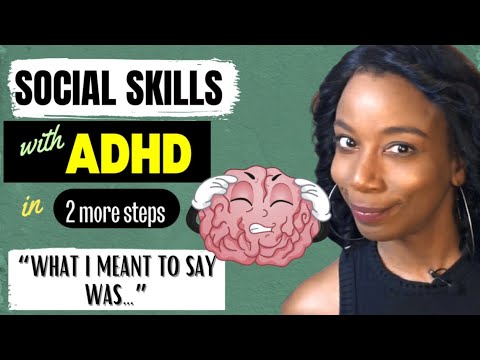
Picking up on the drama of the previous episode, we continue the series on how ADHD affects our social skills. As many of you know, social skills are more challenging for us than others who don’t have #ADHD. And even within the ADHD population, there are some who are more impacted by this symptom than others.
WHY THIS TOPIC? I chose “Over/Under reacting” as the number-three of the most worrisome Social Skills because it is a theme that has popped up in my life enough that caused me to think there was something wrong with my personality. I’ve lost friends over this particular quirk and it’s led me down paths where I prioritized things that didn’t need immediate attention and catastrophized events that didn’t warrant the drama I gave to it.
NEED TO CATCH UP? Need to catch up on the videos about Social Skills? Find them here: Ep. 5 “That Was Awkward” ADHD and Social Awkwardness” Q Ep. 5.2 “Five (5) Tips to Fix Your Social Skills Ills” 8
Here are the Social Skills covered so far in Ep. 5.2 5. Blowing off or canceling plans on friends and other commitments. 4. Not paying attention to what is being said to you in conversations 3. (this episode) Under Reacting or Over Reacting (or “inappropriate” reactions to information or circumstances presented.
INTERESTING STUFF ABOUT YOUR ADHD Check out this helpful article from Understood.org The information applies to adults and children. s
As mentioned in this episode, learn here how raising your awareness can improve your social skills. BE AWARE! ADHD How does your awareness affect your social skills, your life skills even? Find out here! ADHD Insight: Third-Person Awareness Y
FIND OUT IF YOU REALLY HAVE ADHD If you have not received an official ADHD diagnosis but want one, here is a self-assessment to help you on your journey. The assessment is provided by the Attention Deficit Disorder Association. NOTE: Just like all self-assessments on the internet, this will not give you an official medical diagnosis of ADHD. Self-diagnosis is the conversation starters between you and your healthcare provider when seeking a medical diagnosis.
ADHD Self-assessment /
Your diagnosis must come from a healthcare professional from any of the following areas of practice (this is not an exhaustive list.) Psychiatrist Psychologist (will refer you to a psychiatrist for prescription meds if you choose to try them) General Practitioner Internist (that’s where I received my first prescriptions) Pediatrician Neurologist Any licensed Medical Doctor or health care professional who is knowledgeable about ADHD, current on treatment options, and ideally, has experience treating adult ADHD
MUSIC CREDITS: Funk City by Reatch Creative Commons — Attribution 3.0 Unported— CC BY 3.0 Free Download / Stream: Music promoted by Audio Library 8
Jazzaddict’s Intro by Cosimo Fogg (201) Creative Commons — Attribution 3.0 Unported— CC BY 3.0 Free Download / Stream: Music promoted by Audio Library M
Swing Rabbit ! Swing ! by Amarià Creative Commons — Attribution 3.0 Unported — CC BY 3.0 Free Download / Stream: Music promoted by Audio Library M
http://adhdinadults.com/ Learn how healthcare professionals can better educate their patients about Adult Attention Deficit Hyperactivity Disorder and how to facilitate the conversations surrounding ADHD from Anthony Rostain MD/MA, the Medical Director for the Penn Medicine Adult ADHD Program. Rostain offers doctors and/or PCPs guidance on how to educate patients about adult ADHD and set them up for successful treatment.
When discussing ADHD for the first time with a patient, the doctor should help the patient identify some of their strengths as well as their weaknesses as they relate to ADHD. Highlighting positive characteristics helps give patient hope and reminds the patient there is support available for managing their disorder. Encouraging patients to learn about changes in their home environment and providing other strategies for patients to cope with ADHD is also encouraged.
Doctors should discuss expectations regarding treatment options early. In order to effectively do so, physicians should be aware of the prescription options available for treating patients (stimulants and non-stimulants). Healthcare professionals should also know about local cognitive therapy resources that are available to help patients manage their ADHD.
One kind of barrier that patients may have is overcoming behavioral problems, such as procrastination. Another barrier is a lack of confidence, due to the interference ADHD has had over the course of the patient's life. These barriers can result in compensatory strategies that can interfere with coping strategies. Cognitive therapy can help patients reduce symptoms and improve functioning without medication and knowing its advantages is important to counseling patients.
For more information on how to educate patients about ADHD, visit
Our Website with Free Resources
m
Our Playlist with LOTS of Informational Videos:
/>
Subscribe to our Channel above
/watch?v=Ely7TB32-Es&list=PLuoWrlKvoLMHTwAtZqFA7XApfMtrGfD5J
We want to thank all the following YouTubers and Channels which have addressed
the challenges and myths of ADHD to bring us the facts and improve the quality
of care for ADHD in Adults:
What It's Like Living with ADHD
Katie Couric
Q
The Worst and Best Jobs People for ADD ADHD
Gina Loudon
w
How to Recognize Adult ADHD Symptoms
Howcast
w
Adults with ADHD: What Do We Know? What Do They Need?
tvoparents
0
Inside the adult ADHD brain
McGovern Institute for Brain Research at MIT
0
Adult ADD/ADHD Documentary
ADDCenterofMaryland
A
Adults with ADD
Calvin College
A
3 Quick Steps to Stop Negative Thinking Now! | CYBCYL with Daniel Amen and Tana Amen
Dr. Daniel Amen
c
Are you enjoying ADHD is the new BLACK? Would you like to see videos more often? Me, too. My goal is to produce MORE high-quality videos at a FASTER PACE with content that entertains, educates, and reflects black women and WOC living with ADHD.
If you’d like to financially support this work, go to my Patreon page. /> Become a monthly subscriber or a one-time donor. I’m still brainstorming perks for monthly subscribers.
To the very FIRST monthly subscriber-: you’ll receive a perk unique to you as the “Founding Supporter” of ADHD is the new Black. Without support, ADHD is the new Black will become ADHD is the Last Black. I love you, my sistas!!!
ABOUT THIS EPISODE Picking up on the drama of the previous episode, we continue the series on how ADHD affects our social skills. As many of you know, social skills are more challenging for us than others who don’t have ADHD. And even within the ADHD population, there are some who are more impacted by this symptom than others.
WHY THIS TOPIC? I chose “Over/Under reacting” as the number-three of the most worrisome Social Skills because it is a theme that has popped up in my life enough that caused me to think there was something wrong with my personality. I’ve lost friends over this particular quirk and it’s led me down paths where I prioritized things that didn’t need immediate attention and catastrophized events that didn’t warrant the drama I gave to it.
NEED TO CATCH UP? Need to catch up on the videos about Social Skills? Find them here: Ep. 5 “That Was Awkward” ADHD and Social Awkwardness” Q Ep. 5.2 “Five (5) Tips to Fix Your Social Skills Ills” 8
Here are the Social Skills covered so far in Ep. 5.2 5. Blowing off or canceling plans on friends and other commitments. 4. Not paying attention to what is being said to you in conversations 3. (this episode) Under Reacting or Over Reacting (or “inappropriate” reactions to information or circumstances presented.
INTERESTING STUFF ABOUT YOUR ADHD Check out this helpful article from Understood.org The information applies to adults and children. s
As mentioned in this episode, learn here how raising your awareness can improve your social skills. BE AWARE! ADHD How does your awareness affect your social skills, your life skills even? Find out here! ADHD Insight: Third-Person Awareness Y
FIND OUT IF YOU REALLY HAVE ADHD If you have not received an official ADHD diagnosis but want one, here is a self-assessment to help you on your journey. The assessment is provided by the Attention Deficit Disorder Association. NOTE: Just like all self-assessments on the internet, this will not give you an official medical diagnosis of ADHD. Self-diagnosis is the conversation starters between you and your healthcare provider when seeking a medical diagnosis.
ADHD Self-assessment /
Your diagnosis must come from a healthcare professional from any of the following areas of practice (this is not an exhaustive list.) Psychiatrist Psychologist (will refer you to a psychiatrist for prescription meds if you choose to try them) General Practitioner Internist (that’s where I received my first prescriptions) Pediatrician Neurologist Any licensed Medical Doctor or health care professional who is knowledgeable about ADHD, current on treatment options, and ideally, has experience treating adult ADHD
MUSIC CREDITS: Funk City by Reatch Creative Commons — Attribution 3.0 Unported— CC BY 3.0 Free Download / Stream: Music promoted by Audio Library 8
Jazzaddict’s Intro by Cosimo Fogg (201) Creative Commons — Attribution 3.0 Unported— CC BY 3.0 Free Download / Stream: Music promoted by Audio Library M
Swing Rabbit ! Swing ! by Amarià Creative Commons — Attribution 3.0 Unported — CC BY 3.0 Free Download / Stream: Music promoted by Audio Library M
hi friends! today i wanted to share with you all what it's like living with generalized anxiety disorder and a bit about my mental health diagnosis! anxiety and mental illness has become such a taboo subject and I really want to open up that conversation and normalize the subject!
0: 00 INTRO
2: 11 My Diagnosis + Backstory
3: 43 Where My Info Comes From
4: 10 Anxiety vs Anxiety Disorders
5: 09 The Two Main Categories of Disorders
6: 13 Busting Myths + Misinformation
8: 20 Management + Coping Mechanisms
► SOCIAL MEDIA
• instagram ➭ e
• pinterest ➭ /
► Join our Facebook Group for Creators!
/
► Business Inquiries ONLY
annieedube@gmail.com
FTC Legal Disclaimer - Some links found in the description box of my videos may be affiliate links, meaning I will make commission on sales you make through my link. This is at no extra cost to you to use my links/codes, it's just one more way to support me and my channel! :)
http://www.adhdinadults.com ADHD is a legitimate diagnosis with specific medical procedure for making the diagnosis, yet some physicians are hesitant to diagnose Attention Deficit Hyperactivity Disorder. Adult ADHD treatment options and the diagnosis process should be familiarized with doctors who treat adults.
Anthony Rostain MD/MA is the Medical Director of Penn Medicine Adult ADHD Program. He examines ADHD in adults to diagnose it and addresses some of the hesitations doctors have in diagnosing and treating ADHD. Doctors might be worried about the legal consequences of a patient using or diverting federally-controlled medication. Anthony urges doctors to use standard medical procedures to avoid legal problems when prescribing ADHD medication.
Dr. Brendan Montano is a primary care physician who says that he felt more comfortable prescribing ADHD medication after gaining a better understanding and exposure to stimulant medication treatment. Stimulant ADHD is used in childhood by pediatricians. Dr. Montano says the same thing will happen for adults who treat ADHD patients.
Also featured in this video is Dr. Stephen Faraone from SUNY Update Medical University. He explains some of the latest developments in ADHD treatment options to reduce the potential for stimulant abuse.
Physicians looking for additional resources on ADHD in adults should visit www.adhdinadults.com. Our website with free ADHD CME (ADHD Continuous Medical Education) is
/
Our Playlist with ADHD CME videos:
/>
Subscribe to our Channel
/watch?v=Ely7TB32-Es&list=PLuoWrlKvoLMHTwAtZqFA7XApfMtrGfD5J
We would like to thank the following Channels and Organizations that have addressed
The myths and challenges of ADHD are revealed to help us understand the facts and improve quality.
Treatment for ADHD in Adults
TEDxTalks
TEDxMaastricht Lawrence Sherman - "Turning medicine education inside out, upside down "
Phillip Maxwell
True Life, I am a PA: Continuing Medical Training, and Financial Aid Advice
IUHealth
IU Health Cancer Centers
Medical education videos
Medical Education Videos
Goldman Sachs /GoldmanSachs
New School - Three Ways Technology Will Transform The Classroom: Victor Hu Goldman Sachs
Medscape /Medscape
Malcolm Gladwell: Fixing the US Healthcare Mess
Digivision Media /InstaTapesMedia
Natural Ways to Balance Your Brain - Daniel G. Amen MD
University of California Television (UCTV),
Schizophrenia
8
Mint Medical/MintMedical
Introduction to Transvaginal Ultrasound Scanning-Part II
CmeGrandRounds
Total Parenteral Nutrition (TPN)
4
CCME - Free Emergency Medicine Education
National Family Medicine Board Review Course – Common Medical Problems
E
Kim Dwyer, a licensed clinical psychologist, is an expert in helping clients avoid burnout and exhaustion. She is especially skilled when it comes to anxiety or major depression.
It is a completely different matter to understand how to avoid burning out and exhaustion in 2021.
This informative video features Dr. Dwyer, Kyle Kittleson, MedCircle host, and Dr. Dwyer discussing ... .
How to prevent stress and burnout from aggravating symptoms of anxiety, depression, bipolar disorder, ADHD and other mental illnesses
You or someone you care about may be experiencing symptoms of burnout
How to deal with burnout and recover from it 2021
Self-care and coping strategies that work for someone who is feeling low or anxious
These mental health issues can be treated with the most effective treatment options.
You can find out more.
This important crash course will teach you how to avoid work stress and burnout, what signs to look out for, how to stay motivated, keep your work life balanced, and more.
MedCircle.com has more videos about stress management, anxiety disorders and the pyschology associated with burnout.
Picking up on the drama of the previous episode, we continue the series on how ADHD affects our social skills. As many of you know, social skills are more challenging for us than others who don’t have #ADHD. And even within the ADHD population, there are some who are more impacted by this symptom than others.
WHY THIS TOPIC? I chose “Over/Under reacting” as the number-three of the most worrisome Social Skills because it is a theme that has popped up in my life enough that caused me to think there was something wrong with my personality. I’ve lost friends over this particular quirk and it’s led me down paths where I prioritized things that didn’t need immediate attention and catastrophized events that didn’t warrant the drama I gave to it.
NEED TO CATCH UP? Need to catch up on the videos about Social Skills? Find them here: Ep. 5 “That Was Awkward” ADHD and Social Awkwardness” Q Ep. 5.2 “Five (5) Tips to Fix Your Social Skills Ills” 8
Here are the Social Skills covered so far in Ep. 5.2 5. Blowing off or canceling plans on friends and other commitments. 4. Not paying attention to what is being said to you in conversations 3. (this episode) Under Reacting or Over Reacting (or “inappropriate” reactions to information or circumstances presented.
INTERESTING STUFF ABOUT YOUR ADHD Check out this helpful article from Understood.org The information applies to adults and children. s
As mentioned in this episode, learn here how raising your awareness can improve your social skills. BE AWARE! ADHD How does your awareness affect your social skills, your life skills even? Find out here! ADHD Insight: Third-Person Awareness Y
FIND OUT IF YOU REALLY HAVE ADHD If you have not received an official ADHD diagnosis but want one, here is a self-assessment to help you on your journey. The assessment is provided by the Attention Deficit Disorder Association. NOTE: Just like all self-assessments on the internet, this will not give you an official medical diagnosis of ADHD. Self-diagnosis is the conversation starters between you and your healthcare provider when seeking a medical diagnosis.
ADHD Self-assessment /
Your diagnosis must come from a healthcare professional from any of the following areas of practice (this is not an exhaustive list.) Psychiatrist Psychologist (will refer you to a psychiatrist for prescription meds if you choose to try them) General Practitioner Internist (that’s where I received my first prescriptions) Pediatrician Neurologist Any licensed Medical Doctor or health care professional who is knowledgeable about ADHD, current on treatment options, and ideally, has experience treating adult ADHD
MUSIC CREDITS: Funk City by Reatch Creative Commons — Attribution 3.0 Unported— CC BY 3.0 Free Download / Stream: Music promoted by Audio Library 8
Jazzaddict’s Intro by Cosimo Fogg (201) Creative Commons — Attribution 3.0 Unported— CC BY 3.0 Free Download / Stream: Music promoted by Audio Library M
Swing Rabbit ! Swing ! by Amarià Creative Commons — Attribution 3.0 Unported — CC BY 3.0 Free Download / Stream: Music promoted by Audio Library M
How to get a Diagnosis
To receive perks, join this channel
n
Please be aware that I am not a physician.
*Side Effects*
*Common (may impact up to 1 in 10 people ):*
Headache, Joint pains, Blurred vision. Tension headache.
*Uncommon (may impact up to 1 in 100 people ):*
Dry eyes, Constipation and Chest discomfort, Bloody urine, Listlessness. Muscle pain, Muscle twitching. Muscle pain. Muscle twitching. Muscle pain. Muscle pain. Muscle twitching. Muscle pain. Muscle twitching. Muscle pain. Muscle tingling. Muscle pain. Muscle twitching. Muscle pain. Muscle shivering.
*Rare (may impact up to 1 in 1 ,000 persons ):*
Feeling disoriented, Confusion. Trouble seeing or double-vision.
*Very Rare (may affect up to 1 in 10,000 people):*
Abnormal liver function, including liver failure or coma, changes in test results, including liver tests, abnormal thinking, lack of feeling emotion. Temporary low mood. Fingers and toes feel numb, tingling, and changing colour.
*Effects of Growth :*
If used for longer than one year. Some children may experience reduced growth due to methylphenidate. This is less than 1 in 10 kids:
You may not be growing in height or weight
Your doctor will closely monitor your child's height, weight, and how healthy they eat.
*Alcohol:*
This medication should not be taken with alcohol. It may cause unwanted side effects.