Pages

Showing posts with label brain chemistry. Show all posts

Monday, October 17, 2022

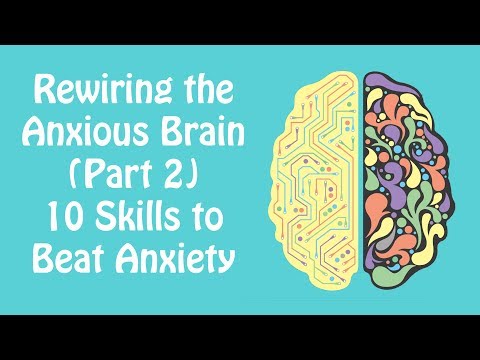
Rewiring the Anxious Brain Part 2: 10 Skills to Beat Anxiety: Anxiety Skills #22

featured image

Get the course: Change Your Brain-Neuroplasticity and Mental Health
/>
It is possible to rewire your brain to feel less anxious. This is a simple, but not difficult process. Understanding anxiety cycles and how avoidance can cause anxiety to spiral out-of-control is key to understanding how to reduce anxiety and rewire your neural pathways to feel secure and safe.

Part 2 of my series Rewiring the Anxious Brain teaches 10 skills you can use to overcome anxiety and build resilience.
Part one is available here: 0

Are you looking for affordable online counseling services? BetterHelp is my sponsor. They connect you with licensed professionals from your home. Get 10% discount now: l

Find out more about my mental health courses. />Patreon: l
Subscribe to my newsletter: e
My favorite self-help book is s
You can listen to my podcast Therapy in a Nutshell
Therapy in a Nutshell, LLC and the information provided here by Emma McAdam is solely for entertainment and information purposes. They are not intended to be a substitute or for diagnosis or treatment for mental or medical conditions. Emma McAdam is a licensed marriage- and family therapist. However, you should not consider the contents of this site as a substitute for professional or psychiatric advice. Before making any decision regarding your mental or physical health, consult your doctor.

About Me:
I’m Emma McAdam. I am a licensed Marriage and Family Therapist and have worked in many settings of growth and change since 2004.. My experience includes: juvenile corrections, wilderness therapy programs and adventure therapy programs. I also have experience in residential treatment centers, eating disorder treatment centers, and outpatient therapy clinics.

My therapy uses a combination Acceptance and Commitment Therapy and Systems Theory. Positive psychology is also used. I also use a bio-psychosocial approach to treat mental illness and other problems we all face. My videos often incorporate ideas from multiple sources. Many of these ideas are based on Acceptance and Commitment therapy, particularly the work of Jason Luoma and Steven Hayes. The section on stress and the mind/body connection is based on the work of Stephen Porges (the Polyvagal Theory), Peter Levine, Somatic Experiencing), Francine Shapiro and Bessel Van der Kolk. The work of the Arbinger Institute is a major source of my understanding of how we can choose the direction of our lives.
The Gospel of Jesus Christ is deeper than that. It orients my personal worldview, sense of security, hope, peace, and love.
If you are in crisis, please contact the National Suicide Prevention Hotline at or 1-800-273-TALK (8255) or your local emergency services.
Copyright Therapy in a Nutshell, LLC —-
Music licensed from www.Bensound.com and Artlist.io Images from Freepik.com (premium licence), Pixabay or Wikimedia Commons


https://adhdadulttreatment.com/rewiring-the-anxious-brain-part-2-10-skills-to-beat-anxiety-anxiety-skills-22/

Full Video on our channel here

Support Rick on Patreon and receive a free copy of ADD & Loving It?!

ADD & Loving it?! has been called “the best film ever made on ADD.” Okay, we called it that, but thousands agree! Originally aired on Global Television in Canada and PBS in the US, this award-winning documentary is changing lives.

Made by and for adults with Attention Deficit Hyperactivity Disorder, this is a must-see for anyone who has ever been impacted by this much-misunderstood disorder -- or wondered if they had it.

“I've been misdiagnosed for over almost 30 years. I saw ADD and Loving It?! and it explains my whole life the way nothing else has. I started reading, going to support groups and diving into this new journey… I feel like I have a whole new lease on life!” –DP
__________________________________________


This video features:

• Dr. Ned Hallowell,
• Dr. Stephen Kurtz
• Dr. Lenard Adler
• Kate Kelly
• Dr. Annick Vincent
• Dr. Margaret Weiss
• Dr. Umesh Jain
• Thom Hartmann
• Dr. Laura Muggli

Friday, August 5, 2022

Optimize & Control Your Brain Chemistry to Improve Health & Performance | Huberman Lab Podcast #80

featured image

In this episode, I explain the biological roles of the four major neuromodulators—dopamine, epinephrine (aka adrenaline), serotonin, and acetylcholine—and describe how these neuromodulators impact a wide variety of mental states and behaviors, including focus, creativity, motivation, drive, learning, alertness, mood, relationships, and feelings of well-being. Then, with that foundational understanding in mind, I describe a potent toolkit of science-supported behavioral, nutrition, and supplementation tools that can be used to increase baseline levels of individual neuromodulators and that can be modified for specific goals. This episode summarizes low-or-no-cost, actionable, science-based tools that can benefit anyone in order to enhance their levels of brain chemicals and improve mental health, physical health, and performance.

Thank you to our sponsors
AG1 (Athletic Greens): n
Thesis: n
InsideTracker: n

Supplements from Momentous
n

Social & Website
Instagram –
Twitter –
Facebook –
TikTok –
Website –
Newsletter – k

Articles
Rapid and reversible control of human metabolism by individual sleep states: U
Resetting the late timing of ‘night owls’ has a positive impact on mental health and performance: d
Skin exposure to UVB light induces a skin-brain-gonad axis and sexual behavior: 5
The Role of Gene Encoding Variation of DRD4 in the Relationship between Inattention and Seasonal Daylight: l
Caffeine increases striatal dopamine D2/D3 receptor availability in the human brain: 4
Human physiological responses to immersion into water of different temperatures: 1
The effect of Cissus quadrangularis (CQR-300) and a Cissus formulation (CORE) on obesity and obesity-induced oxidative stress: b

Other Resources:
The Darya Rose Show: Sunscreen & Sunprotection with Dr. Brian Diffey: 0
Huberman Lab: Controlling Your Dopamine for Motivation Focus & Satisfaction: b
Huberman Lab: ADHD & How Anyone Can Improve Their Focus: o
Huberman Lab: Using Deliberate Cold Exposure for Health & Performance: i
Huberman Lab: Tools for Managing Stress & Anxiety: y

Timestamps
00: 00: 00 Optimizing Neurochemicals to Improve Health
00: 03: 40 Momentous Supplements
00: 04: 30 Sleep & Maintaining Healthy Metabolism
00: 09: 52 Tools: How to Wake Up Earlier, Night Owls
00: 19: 32 AG1 (Athletic Greens), Thesis, InsideTracker
00: 22: 05 Nervous System Overview
00: 31: 32 How Neuromodulators Work
00: 34: 24 Baseline Neuromodulator Levels, 3 Daily Phases
00: 42: 15 Hormones Modulate Neuromodulators
00: 52: 12 The 4 Major Types of Neuromodulators
01: 01: 45 Tool Kit 1: Increase Baseline Dopamine & Focus
01: 08: 52 Tyrosine-rich Foods & Dopamine
01: 10: 59 Dopamine Supplementation: Mucuna Pruriens, L-tyrosine & Phenylethylamine
01: 16: 00 Deliberate Cold Exposure & Dopamine
01: 21: 12 Tool Kit 2: Additional Tips to Increase Dopamine
01: 26: 10 Tool Kit 3: Increase Epinephrine (Adrenaline) & Alertness
01: 34: 34 Tool Kit 4: Increase Acetylcholine & Attention/Learning; Choline-rich Foods
01: 37: 29 Acetylcholine Supplements: Nicotine, Alpha GPC, Huperzine
01: 44: 47 Tool Kit 5: Behavior to Increase Focus & Acetylcholine
01: 46: 56 Tool Kit 6: Behavior to Increase Serotonin & Feelings of Well-being
01: 50: 51 Tools: Tryptophan-Rich Foods & Serotonin
01: 53: 31 Tools: Serotonin Supplements: Cissus Quadrangularis, 5-HTP, Myo-inositol
02: 02: 14 Use the Neurochemical Toolkit to Meet Individual Goals
02: 06: 44 Zero-Cost Support, YouTube Feedback, Spotify & Apple Reviews, Sponsors, Momentous Supplements, Instagram, Twitter, Neural Network Newsletter

The Huberman Lab Podcast is for general informational purposes only and does not constitute the practice of medicine, nursing or other professional health care services, including the giving of medical advice, and no doctor/patient relationship is formed. The use of information on this podcast or materials linked from this podcast is at the user’s own risk. The content of this podcast is not intended to be a substitute for professional medical advice, diagnosis, or treatment. Users should not disregard or delay in obtaining medical advice for any medical condition they may have and should seek the assistance of their health care professionals for any such conditions.

Title Card Photo Credit: Mike Blabac – m


https://brain-therapy.com/optimize-control-your-brain-chemistry-to-improve-health-performance-huberman-lab-podcast-80/

Thursday, August 4, 2022

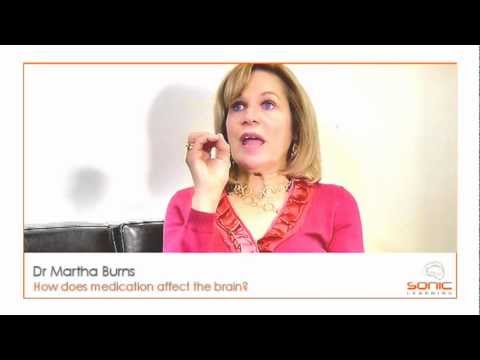
How does (ADHD) medication affect the brain?

featured image

Read more here: /

Dr Martha Burns discusses how medication (including caffeine!) affects our brain chemistry.

u

Sonic Learning provides interactive and engaging therapy programs to improve attention, listening, memory and reading. Call our team of health and education professionals today on 1300 135 334 to discuss how Fast ForWord can change your child’s life.


https://brain-therapy.com/how-does-adhd-medication-affect-the-brain/

ADHD is a common mental health condition that begins during youth. It impacts both the child and the family. Learn the signs and symptoms of ADHD and ADHD treatment options.

#ADHD #ADHDSymptoms #MentalHealth

Follow and subscribe to Psych Hub:
d
d
/
/

Learning about mental health is crucial for us all to imagine a better future for everyone. Psych Hub's Mental Health Ally Certification learning hubs will help you become an important steward of your wellbeing and that of your loved ones. Start learning here: www.psychhub.com

© 2021 Psych Hub, LLC. All Rights Reserved.

Optimize & Control Your Brain Chemistry to Improve Health & Performance | Huberman Lab Podcast #80

featured image

In this episode, I explain the biological roles of the four major neuromodulators—dopamine, epinephrine (aka adrenaline), serotonin, and acetylcholine—and describe how these neuromodulators impact a wide variety of mental states and behaviors, including focus, creativity, motivation, drive, learning, alertness, mood, relationships, and feelings of well-being. Then, with that foundational understanding in mind, I describe a potent toolkit of science-supported behavioral, nutrition, and supplementation tools that can be used to increase baseline levels of individual neuromodulators and that can be modified for specific goals. This episode summarizes low-or-no-cost, actionable, science-based tools that can benefit anyone in order to enhance their levels of brain chemicals and improve mental health, physical health, and performance.

Thank you to our sponsors
AG1 (Athletic Greens): n
Thesis: n
InsideTracker: n

Supplements from Momentous
n

Social & Website
Instagram –
Twitter –
Facebook –
TikTok –
Website –
Newsletter – k

Articles
Rapid and reversible control of human metabolism by individual sleep states: U
Resetting the late timing of ‘night owls’ has a positive impact on mental health and performance: d
Skin exposure to UVB light induces a skin-brain-gonad axis and sexual behavior: 5
The Role of Gene Encoding Variation of DRD4 in the Relationship between Inattention and Seasonal Daylight: l
Caffeine increases striatal dopamine D2/D3 receptor availability in the human brain: 4
Human physiological responses to immersion into water of different temperatures: 1
The effect of Cissus quadrangularis (CQR-300) and a Cissus formulation (CORE) on obesity and obesity-induced oxidative stress: b

Other Resources:
The Darya Rose Show: Sunscreen & Sunprotection with Dr. Brian Diffey: 0
Huberman Lab: Controlling Your Dopamine for Motivation Focus & Satisfaction: b
Huberman Lab: ADHD & How Anyone Can Improve Their Focus: o
Huberman Lab: Using Deliberate Cold Exposure for Health & Performance: i
Huberman Lab: Tools for Managing Stress & Anxiety: y

Timestamps
00: 00: 00 Optimizing Neurochemicals to Improve Health
00: 03: 40 Momentous Supplements
00: 04: 30 Sleep & Maintaining Healthy Metabolism
00: 09: 52 Tools: How to Wake Up Earlier, Night Owls
00: 19: 32 AG1 (Athletic Greens), Thesis, InsideTracker
00: 22: 05 Nervous System Overview
00: 31: 32 How Neuromodulators Work
00: 34: 24 Baseline Neuromodulator Levels, 3 Daily Phases
00: 42: 15 Hormones Modulate Neuromodulators
00: 52: 12 The 4 Major Types of Neuromodulators
01: 01: 45 Tool Kit 1: Increase Baseline Dopamine & Focus
01: 08: 52 Tyrosine-rich Foods & Dopamine
01: 10: 59 Dopamine Supplementation: Mucuna Pruriens, L-tyrosine & Phenylethylamine
01: 16: 00 Deliberate Cold Exposure & Dopamine
01: 21: 12 Tool Kit 2: Additional Tips to Increase Dopamine
01: 26: 10 Tool Kit 3: Increase Epinephrine (Adrenaline) & Alertness
01: 34: 34 Tool Kit 4: Increase Acetylcholine & Attention/Learning; Choline-rich Foods
01: 37: 29 Acetylcholine Supplements: Nicotine, Alpha GPC, Huperzine
01: 44: 47 Tool Kit 5: Behavior to Increase Focus & Acetylcholine
01: 46: 56 Tool Kit 6: Behavior to Increase Serotonin & Feelings of Well-being
01: 50: 51 Tools: Tryptophan-Rich Foods & Serotonin
01: 53: 31 Tools: Serotonin Supplements: Cissus Quadrangularis, 5-HTP, Myo-inositol
02: 02: 14 Use the Neurochemical Toolkit to Meet Individual Goals
02: 06: 44 Zero-Cost Support, YouTube Feedback, Spotify & Apple Reviews, Sponsors, Momentous Supplements, Instagram, Twitter, Neural Network Newsletter

The Huberman Lab Podcast is for general informational purposes only and does not constitute the practice of medicine, nursing or other professional health care services, including the giving of medical advice, and no doctor/patient relationship is formed. The use of information on this podcast or materials linked from this podcast is at the user’s own risk. The content of this podcast is not intended to be a substitute for professional medical advice, diagnosis, or treatment. Users should not disregard or delay in obtaining medical advice for any medical condition they may have and should seek the assistance of their health care professionals for any such conditions.

Title Card Photo Credit: Mike Blabac – m


https://medbusiness.net/optimize-control-your-brain-chemistry-to-improve-health-performance-huberman-lab-podcast-80/

How does (ADHD) medication affect the brain?

featured image

Read more here: /

Dr Martha Burns discusses how medication (including caffeine!) affects our brain chemistry.

u

Sonic Learning provides interactive and engaging therapy programs to improve attention, listening, memory and reading. Call our team of health and education professionals today on 1300 135 334 to discuss how Fast ForWord can change your child’s life.


https://medbusiness.net/how-does-adhd-medication-affect-the-brain/

*PLEASE NOTE- There were no official lyrics for this song. I just tried my best for ya'll! Some of the parts that I could not understand I just used "-" in place. Enjoy this heat! More on the way.

Stream "Adderall" on Spotify- />
Artist Social Networks:
Instagram- /
Twitter- a

Want to hear all the music I upload in one place? Follow this playlist: />
Support The Rap Lab:
Instagram- /
Instagram (personal) - /
Twitter- l
Twitter (personal) - _
Cashapp- cash.app/$chrislukosebusiness

RapLab will put you on the best new hits! Subscribe to stay updated on the weekly wave. We promote the future of HipHop.

Tuesday, June 28, 2022

What does the medication (ADHD) do to the brain?

featured image

Read more here: /

Dr Martha Burns discusses how medication (including caffeine!) How medication (including caffeine!) affects brain chemistry.

u

Sonic Learning offers interactive and engaging therapy programs that improve listening, reading, memory, and attention. To discuss how Fast ForWord could transform your child’s lives, call our team of educators and health professionals at 1300 334.


http://adhdadulttreatment.com/what-does-the-medication-adhd-do-to-the-brain/

"Did Ben Franklin die of syphilis from a lady of the night?" As a kid with ADHD, Chris Ivan hated school, but he found his calling as a history teacher by bringing comedy into the classroom. Chris explains why teaching is a great career for people with ADHD.

Visit the episode page at Understood to find a transcript and other resources for this episode. h

We are always interested in hearing from you. Email us at thatjob@understood.org.

Understood, a non-profit and social impact organization, is dedicated to creating a world where people who think and learn differently can thrive. Find out more about "How do you get that job?" You can find all our podcasts at www.u.org/podcasts. Copyright (c), 2021 Understood For All, Inc. All Rights Reserved.

The ADHD Planner - Undated Daily Weekly Schedule Organizer Journal for Disorganized People - Habit Tracker Record Emotions & Mood - Academic Goals - Structure & Focus for Adults Brains (Spiral) (Red)

Product Description Undated ✓ ✓ ✓ ✓ ✓ ✓ Habit Tracker ✓ ✓ ✓ ✓ ✓ ✓ Academic Goals ✓ ✓ ✓ ✓ ✓ Password Manager No No No No ✓ ✓ Weekly Reflectio...