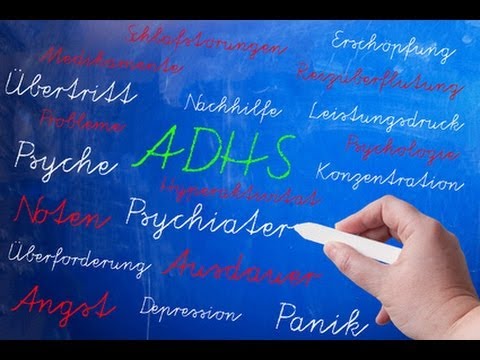
In this final part of the webinar, Dr. Kenny discusses the recent New York Times editorial called: Ritalin Gone Wrong. In it, ADHD medication treatment was challenged. This video explains how to understand the criticisms, and offers answers and research to help you to understand why ADHD medication is used, how to use it safely, and answers to the issues brought up in the article
Generalized anxiety disorder (GAD) is a common condition. Genes may play a role. Stress may also contribute to the development of GAD.
Anyone can develop this disorder, even kids. Most people with the disorder report that they have been anxious for as long as they can remember. GAD occurs somewhat more often in women than in men.
Read this for more information about ADHD medications like Strattera and Adderall: /
ADHD medication generally falls under one of two categories: stimulant and nonstimulant.
Brand names such as Concerta, Ritalin and Vyvanse are stimulants. Strattera, Intuniv and others are examples of non-stimulants. What are the key differences?
This video will help you find out.
Similar Resources 1. Strattera: ADHD Medication FAQ / 2. Free Download: What you Need to Know about ADHD Medications / 3. Continue reading: Chart Comparing the Popular Medications for ADHD /
Subscribe to the ADDitude YouTube Channel: w
Visit the ADDitude website: m
Follow ADDitude on Facebook: / Follow ADDitude on Instagram: / Follow ADDitude Twitter @
Differentiating between normal anxiety and generalized anxiety disorder (GAD) can be tricky. How do you know, especially if you are a little more anxious than others, whether or not your anxiety is significant enough to qualify as a disorder?
#anxiety #generalizedanxietydisorder #gad
Disclaimer: This video is not meant to be a diagnostic tool. If you notice you have symptoms of anxiety, it's best to contact a professional.
Related Videos:
6 Signs You May Have Anxiety and Not Even Know It
/>
A Declassified Guide to Anxiety
/>
Anxiety: 11 Things We Want You To Understand
/>
Credits
Writer: Rose Karoki
Script Editor: Rida Batool & Kelly Soong
VO: Amanda Silvera
Animator: Caleb Winning
YouTube Manager: Cindy Cheong
Sources:
www.anxiety.org/what-is-anxiety
d
Would you like to write or animate for us? Email Yumika@psych2go.net for more info!
Have anxiety symptoms? Please refer to a professional!
Psychiatrist Dr. Edward Fruitman, M.D., Medical Director of Trifecta Health, explains the differences between ADD/ ADHD Medications: Adderall and Ritalin.
Often Dr. Fruitman is asked" How do you know what medication to choose?" Here is some insight to the thought process behind choosing the right medication for you!
Both Ritalin and Adderall belong in the same stimulant category. Once key factor in choosing is the patient's preference and attitude toward each drug. If a patient doesn't take their medicine, it won't work!
It is also important to know the patient's previous history with each of the drugs. Typically, Dr. Fruitman says, it is best to start on a low dose in an extended release form, and Adderall may be best for motivation purposes, while Ritalin may be a better choice for over-stimulation.
Both of these drugs have proven effective in treating ADD/ADHD. The most important thing to consider while deciding a course of treatment is finding the right dosage.
Visit Trifecta Health to get an expert consultation and to start treating your symptoms today.
Check out our new professional YouTube ADHD Channel: g
Read this for more information about ADHD medications like Strattera and Adderall: /
ADHD medications generally belong to one of two broad classes: stimulant or nonstimulant.
Stimulants include brand names like Adderall, Vyvanse, Ritalin, and Concerta. Non-stimulants include Strattera and Intuniv, among others. So what are the important differences?
Find out, in this video.
Related Resources 1. Strattera: ADHD Medication FAQ / 2. Free Download: What You Need to Know About ADHD Medications / 3. Read Next: Chart Comparing Popular Medications Used to Treat ADHD /
Subscribe to the ADDitude YouTube Channel: w
Visit the ADDitude web site: m
Follow ADDitude on Facebook: / Follow ADDitude on Instagram: / Follow ADDitude on Twitter: /
DISCLAIMER - I AM NOT A MEDICAL PROFESSIONAL IF YOU FEEL YOU HAVE SOME OF THESE SYMPTOMS PLEASE SEEK HELP FROM A MEDICAL PROFESSIONAL! THESE VIEWS ARE FROM MY OWN PERSONAL EXPERIENCE WITH MENTAL HEALTH
► Social Anxiety Test - />
► Depression Test - />
-------------------------------------------------------------------------------------------------
There are many different anxiety disorders they include;
1) GAD, general anxiety disorder
2) Panic disorder
3) Social anxiety disorder
4) Post-traumatic stress disorder
5) Obsessive-compulsive disorder
This test is designed to see if you have GAD, general anxiety disorder.
I will be asking you 8 questions on anxiety, the questions are as follows;
1) Do you worry every day and feel like you can't control it?
2) Do you worry about different activities or events happening in your life?
3) Are you constantly on edge?
4) Do you become tired easy?
5) Does your worry or feelings control what you do or don't do in your life?
6) Do you get muscle tension?
7) Do you have problems concentrating?
8) Do you avoid certain situations?
► If you want help to contribute to authentic mental health and help you can here - />
--------------------------------------------------------------------------------------------------
Read this for more information about ADHD medications like Strattera and Adderall: /
ADHD medications generally belong to one of two broad classes: stimulant or nonstimulant.
Stimulants include brand names like Adderall, Vyvanse, Ritalin, and Concerta. Non-stimulants include Strattera and Intuniv, among others. So what are the important differences?
Find out, in this video.
Related Resources 1. Strattera: ADHD Medication FAQ / 2. Free Download: What You Need to Know About ADHD Medications / 3. Read Next: Chart Comparing Popular Medications Used to Treat ADHD /
Subscribe to the ADDitude YouTube Channel: w
Visit the ADDitude web site: m
Follow ADDitude on Facebook: / Follow ADDitude on Instagram: / Follow ADDitude on Twitter: /
ADHD Caregiver Challenges (THE ONES THEY NEVER SHARE)
Want To Support The Channel? Join The Patreon ➡️➡️➡️
/>
Want To Support The ADHD Merchandise Movement? CLICK HERE ➡️➡️➡️
/
SUBSCRIBE ► K
In this video Coach René Brooks and myself are going to go over Adhd Caregiver challenges & I have seen people go through the process and I understand exactly what they have went through because I have also dealt with the same when it comes to adhd and I understand you may want to know how to deal with that so pay close attention as we discuss these things...
Coach René Brooks Contacts:
s
s
s
Blog & Store is m
ADHD Caregiver Challenges (THE ONES THEY NEVER SHARE)
Share this video -
SUBSCRIBE ► K
Questions, comments, suggestions? Drop them in the comment box below!
If you liked the video hit like and subscribe for more!
Support Groups & ADHD. Part of the series: Drug Free ADHD Treatment Options. This video clip is free and will show you how to reach out to family members, friends, and employers to get support before you start a drug-free ADHD treatment program.
Bipolar disorder is often very misunderstood. It is often believed that any condition that is unstable can be classified as bipolar disorder. Bipolar disorder can be defined as the presence of hypomania or mania. Both bipolar disorder as well as unipolar depression can be characterized by depression. If you're wondering if you have bipolar disorder, Your doctor or therapist should first ask if you have ever experienced a manic episode. Bipolar disorder is defined by mania.
This video also answers the question, "Can your bipolar diagnosis change?
Today's video will explain the difference between hypomania and mania. I'll also answer the question, "Can your diagnosis change between bipolar 1 and bipolar 2?" This video will help you understand mania, but it won't help you diagnose. To be assessed if you suspect you might have bipolar disorder you should consult a doctor.
You want to learn more about mental health, self-improvement and other topics? On this channel I discuss topics such as bipolar disorder, major depression, anxiety disorders, attention deficit disorder (ADHD), relationships and personal development/self-improvement. Click here to subscribe if you don't wish to miss a single video.
Disclaimer: The information contained on this channel is intended for education purposes only and does not constitute specific or personal medical advice. The videos and the answers to questions/comments do not create a doctor-patient relationship. These videos may be helpful for you if you are a patient of your own doctor.