Pages

Showing posts with label late. Show all posts

Wednesday, October 5, 2022

Is it too late to learn?

featured image

Is it too late for me to learn new things, develop new skills, master new hobbies or sports?
According to brain research, you can learn new skills and abilities at any age, contrary to the old belief that “you can’t teach an older dog new tricks”.

The bad news is that you can’t get any younger. You can slow down, reverse, or even reverse brain aging.
It’s not magic. Mental muscle is built in the same way as your triceps and biceps. Reps!

You can buy the books in this video by visiting
My Stroke Of Insight – A
The Brain that Changes Itself –
NeuroDiscipline – p
Neuroplasticity: Your Brains Superpower – u

The Power of Neuroplasticity — v
The Mind and the Brain – i
The Ultimate Guide to Brain Plasticity. 0
Rewire Your Brain – 1

05: Statistics Source: Weizmann Institute of Science, “Cell Replacement by The Numbers” –

Hi, I’m Rick Green. I would like to know how I can keep my brain young. Is it possible to keep my brain young and have a solid memory? Is it possible to reverse the brain’s aging process? It’s never too late for me to learn new things, but how can I prove that?

This is something I have been interested in and working on since 20,, trying to keep my mind sharp and healthy. It’s too late for me, but I will be able to keep my mind sharp and active so that I can figure out why my body is acting strangely.

Joking aside, I am actually in better physical condition now than I was 20 many years ago. That’s kind of sad. Scientists, or, as they were called back then, “alchemist wizards”, believed that the brain develops through childhood and into teens. Then, at about 25, things lock in place.

You might be able to learn new facts or hone a skill from childhood, but the house was built. The best thing you could do for it was preventative maintenance. Your house will be in disarray faster than Dorothy’s farmhouse from the Wizard of OZ by 60.

This idea that a 50, 60,, or even 70year old brain could grow new neural networks and rewire itself was ridiculed at the time, especially when you speak to many old people. Scientists who believed that middle-aged brains could grow, develop, learn and improve were called witches, and burnt at the stake. This is a possible error. I should have started the process earlier, when I had all the facts.

Someone asked a deep question that ended up being: “Well gee, my Aunt Helen never played golf in her entire life, but she did when she was 55, and now she’s beating my Uncle Jack’s pants off, what’s the deal?” Short answer: Uncle Jack needs a belt to fit those pants.

Learning after a stroke
Personal examples are next. Dr Jill Bolte Taylor, a brain scientist who suffered a stroke that left her unable to speak and lost her logic and mobility, was the most notable and dramatic example.

Amazingly, half of her brain was destroyed and the other half commandeered and rewired itself in order to pick up the pieces. It is a wonderful read, My Stroke of Insight. Eight years was required to rewire Dr Bolte Taylor’s brain. Massive rewiring takes a long time. You’re familiar with what I mean if you have ever been asked questions by a toddler.

Scientists now know that the brain of humans continues to grow and create new neuralpathways as long as we continue to learn new things and develop new skills. Jerzy Konorski, a Polish neurologist, called it Neuroplasticity. Our brains are flexible. A lot of research is being done on the brain’s ability heal, transform, and grow. You can read the full transcript of The Brain that Changes Itself at /


https://grainedecannabis.net/2022/10/05/is-it-too-late-to-learn/

Monday, September 26, 2022

Adult ADHD: Talking About Your Late Diagnosis with Beth Main, ADHD Coach

featured image

Are you an adult who was diagnosed with ADHD later in life? What should your next steps be? How do you explain the diagnosis to your family? ADHD coach Beth Main explains how you can proceed

Learn more here: /


https://medbusiness.net/adult-adhd-talking-about-your-late-diagnosis-with-beth-main-adhd-coach/

EGYPTIAN BLUE - Adderall (official audio).

Taken from their COLLATERAL DAMAGE E.P. available via Yala! Records

Follow Egyptian Blue:
Facebook: www.facebook.com/egyptianblueinc/
Twitter: www.twitter.com/egyptianblueinc
Instagram: www.instagram.com/egyptianblueinc/

Thursday, September 15, 2022

Is It Too Late To Learn?

featured image

Is it too late for me to learn new things, develop new skills, master new hobbies or sports?
The brain research says, contrary to the belief that “You can’t teach an old dog new tricks” you can learn new skills, abilities and knowledge at any age.

The bad news is, “You ain’t gettin’ any younger.” The good news is, you can slow, repair, and even reverse the aging of the brain.
And it’s not magic. You build mental muscle the same way you build your biceps, triceps, and glutes. Reps!

To Buy the Books in This Video Visit:
My Stroke of Insight – a
The Brain That Changes Itself – d
NeuroDiscipline – p
Neuroplasticity: Your Brains Superpower – u

The Power of Neuroplasticity – v
The Mind and The Brain – i
The Ultimate Guide to Brain Plasticity – 0
Rewire Your Brain – 1

05: 52 Statistic Source: Weizmann Institute of Science “Cell Replacement By The Numbers” – s

Hi I’m Rick Green and I want to know how do I keep my brain young? How do I keep a good solid memory and also I want to slow the aging process of the brain, perhaps even reverse it, is that possible? I believe it’s never too late to learn something new but can I prove it?

This is actually something I’ve been working on and interested in since I was 20, trying to stay sharp and keep my brain fit. Clearly it’s too late for my body but if I can keep my mind young and alert and attentive I’ll really be able to figure out how and why my body went kablooey.

I’m joking I’m actually in better physical shape now than I was 20 years ago which is kind of pathetic. When I was young scientists or as they were known back then ‘alchemist wizards’ used to believe that the human brain grew throughout childhood, developed into your teens, and then at about 25 years of age things kind of locked in place and that was that, you had what you had and you made the most of it before it inevitably, naturally got to the point where you were yelling at kids to get off the lawn not realizing you’re in a home and the lawn is actually just green wallpaper.

At a certain point sure you could learn some new facts, hone a childhood skill but basically the house was built and the best you could do was some preventative upkeep you know, to prevent it from falling into disrepair too quickly. By the time you hit 60 your house would be falling apart faster than Dorothy’s farmhouse in the Wizard of OZ.

So at the time this idea that a 50, 60, or even 70 year old brain could grow and create new neural networks and rewire itself was scorned upon especially if you talk to a lot of old people. Scientists who suggested that a middle-aged brain could improve,, grow, develop and learn were called witches and burned at the stake. I may be misremembering this, I should have started this process sooner when I still had the full factulties.

Eventually somebody asked a question, a profound question which went something like this ‘well gee my Aunt Helen never golfed in her life but she started when she was 55 and now she’s beating the pants off of my Uncle Jack, what’s up with that? The short answer Uncle Jack needs a belt for those pants.

Learning After A Stroke
Then came personal examples the most famous and perhaps the most dramatic being Dr Jill Bolte-Taylor a brain scientist who had a severe stroke causing her to lose all her language, her logic and her mobility and yet she managed to relearn all those skills and gain back all that knowledge that she had lost everything from walking to being a brain doctor.

What happened is amazing, half her brain was damaged and so the other half of the brain commandeered and rewired itself to kind of pick up the slack. Her book My Stroke of Insight is an amazing read. Rewiring Dr Bolte-Taylor’s brain took eight years, massive rewiring takes time I mean how long did it take you to learn to walk and talk and ride a bike the first time around and that was when you were young and your brain was really into growing, learning, it was in learning mode at full throttle. If you’ve ever had a toddler asking you question after question after question you know what I’m talking about.

Scientists now know that the human brain continues to grow and create new neuralpathways for as long as you continue learning new things and trying to develop new skills. A polish neurologist named Jerzy Konorski termed it Neuroplasticity. There’s an incredible flexibility in our brains, a lot of work is being done around the brain’s ability to heal or simply transform and grow. Check out The Brain That Changes Itself … full transcript available at /


https://bestanxietycrystals.com/is-it-too-late-to-learn/

Update March 10, 2019. I've made everything 100% free here: /

Hey guys, I appreciate all the comments and emails over the years. I'm overjoyed to know that these videos, my book and other programs have helped so many others struggling with anxiety.

I've taken down my website and decided to make my entire video-based program 100% free for everyone. You can get access here, all you have to do is create a free account:
/

This program is the culmination of all my years of hard work in creating something that can help everyone struggling with anxiety. I get too many emails and messages to ever be able to respond to all of them, just know that this program is flat out what works and get you to where you want to be.

I wish you the best with your recovery, please just follow what I teach in the program and know that you can find peace in your life. I'm living proof. I was an absolute wreck with anxiety, and if I can have a complete recovery... anyone can.

Those scary thoughts will likely never go away, and that's okay... you'll learn that they don't have any real power anyways, and that you're 100% in charge of your life and how you live your life.

I believe in you and know that you're going to come out of this just fine. Stick with the program, keep pushing yourself, and I promise you won't believe how amazing the freedom feels on the other side.

I wish you nothing but the best, and know that you're going to be just fine :-)

- Steve

Monday, August 29, 2022

Is It Too Late To Learn?

featured image

Is it too late for me to learn new things, develop new skills, master new hobbies or sports?
The brain research says, contrary to the belief that “You can’t teach an old dog new tricks” you can learn new skills, abilities and knowledge at any age.

The bad news is, “You ain’t gettin’ any younger.” The good news is, you can slow, repair, and even reverse the aging of the brain.
And it’s not magic. You build mental muscle the same way you build your biceps, triceps, and glutes. Reps!

To Buy the Books in This Video Visit:
My Stroke of Insight — a
The Brain That Changes Itself — d
NeuroDiscipline — p
Neuroplasticity: Your Brains Superpower — u

The Power of Neuroplasticity — v
The Mind and The Brain — i
The Ultimate Guide to Brain Plasticity — 0
Rewire Your Brain – 1

05:52 Statistic Source: Weizmann Institute of Science “Cell Replacement By The Numbers” – s

Hi I’m Rick Green and I want to know how do I keep my brain young? How do I keep a good solid memory and also I want to slow the aging process of the brain, perhaps even reverse it, is that possible? I believe it’s never too late to learn something new but can I prove it?

This is actually something I’ve been working on and interested in since I was 20, trying to stay sharp and keep my brain fit. Clearly it’s too late for my body but if I can keep my mind young and alert and attentive I’ll really be able to figure out how and why my body went kablooey.

I’m joking I’m actually in better physical shape now than I was 20 years ago which is kind of pathetic. When I was young scientists or as they were known back then ‘alchemist wizards’ used to believe that the human brain grew throughout childhood, developed into your teens, and then at about 25 years of age things kind of locked in place and that was that, you had what you had and you made the most of it before it inevitably, naturally got to the point where you were yelling at kids to get off the lawn not realizing you’re in a home and the lawn is actually just green wallpaper.

At a certain point sure you could learn some new facts, hone a childhood skill but basically the house was built and the best you could do was some preventative upkeep you know, to prevent it from falling into disrepair too quickly. By the time you hit 60 your house would be falling apart faster than Dorothy’s farmhouse in the Wizard of OZ.

So at the time this idea that a 50, 60, or even 70 year old brain could grow and create new neural networks and rewire itself was scorned upon especially if you talk to a lot of old people. Scientists who suggested that a middle-aged brain could improve,, grow, develop and learn were called witches and burned at the stake. I may be misremembering this, I should have started this process sooner when I still had the full factulties.

Eventually somebody asked a question, a profound question which went something like this ‘well gee my Aunt Helen never golfed in her life but she started when she was 55 and now she’s beating the pants off of my Uncle Jack, what’s up with that? The short answer Uncle Jack needs a belt for those pants.

Learning After A Stroke
Then came personal examples the most famous and perhaps the most dramatic being Dr Jill Bolte-Taylor a brain scientist who had a severe stroke causing her to lose all her language, her logic and her mobility and yet she managed to relearn all those skills and gain back all that knowledge that she had lost everything from walking to being a brain doctor.

What happened is amazing, half her brain was damaged and so the other half of the brain commandeered and rewired itself to kind of pick up the slack. Her book My Stroke of Insight is an amazing read. Rewiring Dr Bolte-Taylor’s brain took eight years, massive rewiring takes time I mean how long did it take you to learn to walk and talk and ride a bike the first time around and that was when you were young and your brain was really into growing, learning, it was in learning mode at full throttle. If you’ve ever had a toddler asking you question after question after question you know what I’m talking about.

Scientists now know that the human brain continues to grow and create new neuralpathways for as long as you continue learning new things and trying to develop new skills. A polish neurologist named Jerzy Konorski termed it Neuroplasticity. There’s an incredible flexibility in our brains, a lot of work is being done around the brain’s ability to heal or simply transform and grow. Check out The Brain That Changes Itself … full transcript available at /


http://assistedlivingseniorcare.org/is-it-too-late-to-learn/

Tuesday, August 2, 2022

Is It Too Late To Learn?

featured image

Is it too late for me to learn new things, develop new skills, master new hobbies or sports?
The brain research says, contrary to the belief that “You can’t teach an old dog new tricks” you can learn new skills, abilities and knowledge at any age.

The bad news is, “You ain’t gettin’ any younger.” The good news is, you can slow, repair, and even reverse the aging of the brain.
And it’s not magic. You build mental muscle the same way you build your biceps, triceps, and glutes. Reps!

To Buy the Books in This Video Visit:
My Stroke of Insight – a
The Brain That Changes Itself – d
NeuroDiscipline – p
Neuroplasticity: Your Brains Superpower – u

The Power of Neuroplasticity – v
The Mind and The Brain – i
The Ultimate Guide to Brain Plasticity – 0
Rewire Your Brain – 1

05: 52 Statistic Source: Weizmann Institute of Science “Cell Replacement By The Numbers” – s

Hi I’m Rick Green and I want to know how do I keep my brain young? How do I keep a good solid memory and also I want to slow the aging process of the brain, perhaps even reverse it, is that possible? I believe it’s never too late to learn something new but can I prove it?

This is actually something I’ve been working on and interested in since I was 20, trying to stay sharp and keep my brain fit. Clearly it’s too late for my body but if I can keep my mind young and alert and attentive I’ll really be able to figure out how and why my body went kablooey.

I’m joking I’m actually in better physical shape now than I was 20 years ago which is kind of pathetic. When I was young scientists or as they were known back then ‘alchemist wizards’ used to believe that the human brain grew throughout childhood, developed into your teens, and then at about 25 years of age things kind of locked in place and that was that, you had what you had and you made the most of it before it inevitably, naturally got to the point where you were yelling at kids to get off the lawn not realizing you’re in a home and the lawn is actually just green wallpaper.

At a certain point sure you could learn some new facts, hone a childhood skill but basically the house was built and the best you could do was some preventative upkeep you know, to prevent it from falling into disrepair too quickly. By the time you hit 60 your house would be falling apart faster than Dorothy’s farmhouse in the Wizard of OZ.

So at the time this idea that a 50, 60, or even 70 year old brain could grow and create new neural networks and rewire itself was scorned upon especially if you talk to a lot of old people. Scientists who suggested that a middle-aged brain could improve,, grow, develop and learn were called witches and burned at the stake. I may be misremembering this, I should have started this process sooner when I still had the full factulties.

Eventually somebody asked a question, a profound question which went something like this ‘well gee my Aunt Helen never golfed in her life but she started when she was 55 and now she’s beating the pants off of my Uncle Jack, what’s up with that? The short answer Uncle Jack needs a belt for those pants.

Learning After A Stroke
Then came personal examples the most famous and perhaps the most dramatic being Dr Jill Bolte-Taylor a brain scientist who had a severe stroke causing her to lose all her language, her logic and her mobility and yet she managed to relearn all those skills and gain back all that knowledge that she had lost everything from walking to being a brain doctor.

What happened is amazing, half her brain was damaged and so the other half of the brain commandeered and rewired itself to kind of pick up the slack. Her book My Stroke of Insight is an amazing read. Rewiring Dr Bolte-Taylor’s brain took eight years, massive rewiring takes time I mean how long did it take you to learn to walk and talk and ride a bike the first time around and that was when you were young and your brain was really into growing, learning, it was in learning mode at full throttle. If you’ve ever had a toddler asking you question after question after question you know what I’m talking about.

Scientists now know that the human brain continues to grow and create new neuralpathways for as long as you continue learning new things and trying to develop new skills. A polish neurologist named Jerzy Konorski termed it Neuroplasticity. There’s an incredible flexibility in our brains, a lot of work is being done around the brain’s ability to heal or simply transform and grow. Check out The Brain That Changes Itself … full transcript available at /


https://medbusiness.net/is-it-too-late-to-learn/

👉Find out more things to implement to help with ADHD problems by Downloading My FREE Ultimate ADHD Guide To A Healthier You Here: 👈

In this video I go over the common issue of losing stuff especially when you have ADHD.

I talk about my 3 tips that have helped me not lose items consistently and in fact I am now better at remembering where things are better than your average neurotypical person.


Join our FREE ADHD Natural Solution Facebook Support Group here: s

You can find me on Instagram at /
Like Our Facebook pages /


DISCLAIMER: This content is strictly the opinion of Dr. LeGrand and is for informational and educational purposes only. It is not intended to provide medical advice or to take the place of medical advice or treatment from a personal physician. All viewers of this content are advised to consult their doctors or qualified health professionals regarding specific health questions. Neither Dr. LeGrand nor the publisher of this content takes responsibility for possible health consequences of any person or persons reading or following the information in this educational content. All viewers of this content, especially those taking prescription or over-the-counter medications, should consult their physicians before beginning any nutrition, supplement or lifestyle program.

#ADHDProblems #ADHDTips #Losingstuff

Saturday, July 30, 2022

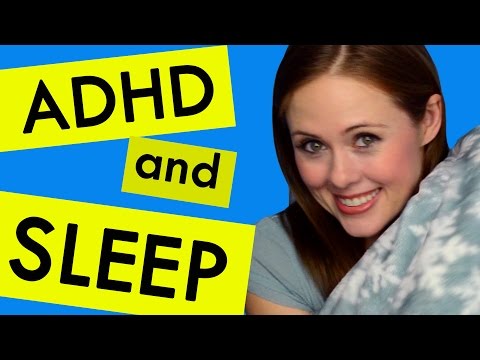
How to Get to Sleep When You Have ADHD

featured image

Can’t sleep? Find out why!

More on melatonin: L

More on Dr. Myron Brenner, PhD and fixing ADHD-induced sleep disorders: 6

Why we have trouble sleeping & strategies that can help: /

“To Bed” app: 5

“Sleep Cycle” app, which tracks your sleep and wakes you up gently: /

A great sleep sounds app, “Relax Melodies”: f

“f.lux,” a blue light filter: .

Top 8 sleep apps for ADHD: O

The sunrise-simulating alarm clock I’m trying out: y

CHAPTERS:
00: 00 – Intro: What’s the news on ADHD & sleep issues?
01: 03 – What’s the cause?
02: 00 – What’s a brain to do?
03: 55 – Video Wrap-Up & Outro

Facebook: d
Twitter: d


https://medbusiness.net/how-to-get-to-sleep-when-you-have-adhd/

Shawn Smith, CEO of Don't dis-my-ability Consultation Services Inc, shares his story of living now thriving with ADHD

Topics covered will include
-The three types of ADHD
- Symptoms for each type of ADHD
- Different ways of getting a diagnosis
- Strategies for families of children with ADHD and other invisible disabilities
- Type of therapies available

Friday, July 29, 2022

Adult ADHD: Talking About Your Late Diagnosis

featured image

Are you an adult who was diagnosed with ADHD later in life? What should your next steps be? How do you explain the diagnosis to your family? ADHD coach Beth Main explains how you can proceed

Learn more here: /


https://adhdadulttreatment.com/adult-adhd-talking-about-your-late-diagnosis/

Wednesday, June 29, 2022

Is It Too Late To Learn?

featured image

Is it too late for me to learn new things, develop new skills, master new hobbies or sports?
The brain research says, contrary to the belief that “You can’t teach an old dog new tricks” you can learn new skills, abilities and knowledge at any age.

The bad news is, “You ain’t gettin’ any younger.” The good news is, you can slow, repair, and even reverse the aging of the brain.
And it’s not magic. You build mental muscle the same way you build your biceps, triceps, and glutes. Reps!

To Buy the Books in This Video Visit:
My Stroke of Insight – a
The Brain That Changes Itself – d
NeuroDiscipline – p
Neuroplasticity: Your Brains Superpower – u

The Power of Neuroplasticity – v
The Mind and The Brain – i
The Ultimate Guide to Brain Plasticity – 0
Rewire Your Brain – 1

05: 52 Statistic Source: Weizmann Institute of Science “Cell Replacement By The Numbers” – s

Hi I’m Rick Green and I want to know how do I keep my brain young? How do I keep a good solid memory and also I want to slow the aging process of the brain, perhaps even reverse it, is that possible? I believe it’s never too late to learn something new but can I prove it?

This is actually something I’ve been working on and interested in since I was 20, trying to stay sharp and keep my brain fit. Clearly it’s too late for my body but if I can keep my mind young and alert and attentive I’ll really be able to figure out how and why my body went kablooey.

I’m joking I’m actually in better physical shape now than I was 20 years ago which is kind of pathetic. When I was young scientists or as they were known back then ‘alchemist wizards’ used to believe that the human brain grew throughout childhood, developed into your teens, and then at about 25 years of age things kind of locked in place and that was that, you had what you had and you made the most of it before it inevitably, naturally got to the point where you were yelling at kids to get off the lawn not realizing you’re in a home and the lawn is actually just green wallpaper.

At a certain point sure you could learn some new facts, hone a childhood skill but basically the house was built and the best you could do was some preventative upkeep you know, to prevent it from falling into disrepair too quickly. By the time you hit 60 your house would be falling apart faster than Dorothy’s farmhouse in the Wizard of OZ.

So at the time this idea that a 50, 60, or even 70 year old brain could grow and create new neural networks and rewire itself was scorned upon especially if you talk to a lot of old people. Scientists who suggested that a middle-aged brain could improve,, grow, develop and learn were called witches and burned at the stake. I may be misremembering this, I should have started this process sooner when I still had the full factulties.

Eventually somebody asked a question, a profound question which went something like this ‘well gee my Aunt Helen never golfed in her life but she started when she was 55 and now she’s beating the pants off of my Uncle Jack, what’s up with that? The short answer Uncle Jack needs a belt for those pants.

Learning After A Stroke
Then came personal examples the most famous and perhaps the most dramatic being Dr Jill Bolte-Taylor a brain scientist who had a severe stroke causing her to lose all her language, her logic and her mobility and yet she managed to relearn all those skills and gain back all that knowledge that she had lost everything from walking to being a brain doctor.

What happened is amazing, half her brain was damaged and so the other half of the brain commandeered and rewired itself to kind of pick up the slack. Her book My Stroke of Insight is an amazing read. Rewiring Dr Bolte-Taylor’s brain took eight years, massive rewiring takes time I mean how long did it take you to learn to walk and talk and ride a bike the first time around and that was when you were young and your brain was really into growing, learning, it was in learning mode at full throttle. If you’ve ever had a toddler asking you question after question after question you know what I’m talking about.

Scientists now know that the human brain continues to grow and create new neuralpathways for as long as you continue learning new things and trying to develop new skills. A polish neurologist named Jerzy Konorski termed it Neuroplasticity. There’s an incredible flexibility in our brains, a lot of work is being done around the brain’s ability to heal or simply transform and grow. Check out The Brain That Changes Itself … full transcript available at /


http://adhdadulttreatment.com/is-it-too-late-to-learn/

Suffer from anxiety or panic? Get anxiety relief here:
e

This video will answer one of the most common and basic questions regarding anxiety and panic disorders. It's titled "exactly what's anxiety?"

Anxiety can be a psychological or physiological state that can affect your cognitive processes. Anxiety is simply a feeling of worry or fear that causes a person to feel anxious and stressed out. This can make a date unpleasant and even uncomfortable.

Although stress is normal in response to stressful situations, anxiety that becomes paranoid and uncontrollable is considered an anxiety disorder.

The ADHD Planner - Undated Daily Weekly Schedule Organizer Journal for Disorganized People - Habit Tracker Record Emotions & Mood - Academic Goals - Structure & Focus for Adults Brains (Spiral) (Red)

Product Description Undated ✓ ✓ ✓ ✓ ✓ ✓ Habit Tracker ✓ ✓ ✓ ✓ ✓ ✓ Academic Goals ✓ ✓ ✓ ✓ ✓ Password Manager No No No No ✓ ✓ Weekly Reflectio...