Pages

Showing posts with label Brain (Literature Subject). Show all posts

Monday, January 30, 2023

Your Brain on Stress and Anxiety

featured image

Stress is the way our bodies and minds react to something which upsets our normal balance in life. Stress is how we feel and how our bodies react when we are fearful or anxious. Some level of stress has some upside to mind and body function to enable us to react in a positive way. Too much stress though, is both harmful to the body and our performance. How much is too much? Well, that depends… on you and how you respond.

It is essential to know how our brain responds to the stimuli which trigger an anxiety response so that you are equipped to deal appropriately with anxiety.

Let me highlight the key areas of your brain that are involved, and then I will explain what happens inside the brain.

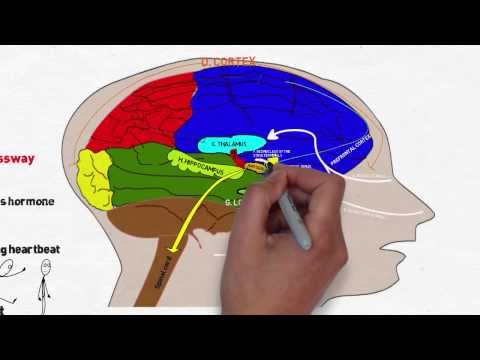
The Thalamus is the central hub for sights and sounds. The thalamus breaks down incoming visual cues by size, shape and colour, and auditory cues by volume and dissonance, and then signals the cortex.

The cortex then gives raw sights and sounds meaning enabling you to be conscious of what you are seeing and hearing. And I’ll mention here that the prefrontal cortex is vital to turning off the anxiety response once the threat has passed.

The amygdala is the emotional core of the brain whose primary role is to trigger the fear response. Information passing through the amygdala is associated with an emotional significance.

The bed nucleus of the stria terminals is particularly interesting when we discuss anxiety. While the amygdala sets off an immediate burst of fear whilst the BNST perpetuates the fear response, causing longer term unease typical of anxiety.

The locus ceruleus receives signals from the amygdala and initiates the classic anxiety response: rapid heartbeat, increased blood pressure, sweating and pupil dilation.

The hippocampus is your memory centre storing raw information from the senses, along with emotional baggage attached to the data by the amygdala.

Now we know these key parts, what happens when we are anxious, stressed or fearful?

Anxiety, stress and, of course, fear are triggered primarily through your senses:

Sight and sound are first processed by the thalamus, filtering incoming cues and sent directly to the amygdala or the cortex.

Smells and touch go directly to the amygdala, bypassing the thalamus altogether. (This is why smells often evoke powerful memories or feelings).

Any cues from your incoming senses that are associated with a threat in the amygdala (real or not, current or not) are immediately processed to trigger the fear response. This is the expressway. It happens before you consciously feel the fear.

The hippothalmus and pituitary gland cause the adrenal glands to pump out high levels of the stress hormone coritsol. Too much short circuits the cells of the hippocampus making it difficult to organize the memory of a trauma or stressful experience. Memories lose context and become fragmented.

The body’s sympathetic nervous system shifts into overdrive causing the heart to beat faster, blood pressure to rise and the lungs hyperventilate. Perspiration increases and the skin’s nerve endings tingle, causing goosebumps.

Your senses become hyper-alert, freezing you momentarily as you drink in every detail. Adrenaline floods to the muscles preparing you to fight or run away.

The brain shifts focus away from digestion to focus on potential dangers. Sometimes causing evacuation of the digestive tract thorough urination, defecation or vomiting. Heck, if you are about to be eaten as someone else’s dinner why bother digesting your own?

Only after the fear response has been activated does the conscious mind kick in. Some sensory information, takes a more thoughtful route from the thalamus to the cortex. The cortex decides whether the sensory information warrants a fear response. If the fear is a genuine threat in space and time, the cortex signals the amygdala to continue being on alert.

Fear is a good, useful response essential to survival. However, anxiety is a fear of something that cannot be located in space and time.

Most often it is that indefinable something triggered initially by something real that you sense, that in itself is not threatening but it is associated with a fearful memory. And the bed nucleus of the stria terminals perpetuate the fear response. Anxiety is a real fear response for the individual feeling anxious. Anxiety can be debilitating for the sufferer.

Now that you know how anxiety happens in your brain, we can pay attention to how we can deliberately use our pre-frontal cortex to turn off an inappropriate anxiety response once a threat has passed.

Background Music: My Elegant Redemption by Tim McMorris. 4

I highly recommend that you also check out Lisa Feldman Barret’s book on How Emotions are Made as this new research questions the assertions I make in the video (yes, I was probably wrong :-))

Find out how we can help, m


https://medbusiness.net/your-brain-on-stress-and-anxiety/

Do you know about the importance of reflex integration? These small movements that each of us makes when we're infants lay the foundation for growth into functioning adults. Unfortunately many kids now are missing out on some of these movements and the results are ADHD-like behaviors.

But the good news is these movements can be reintroduced at anytime, even for adults! Sonia Story is an expert in these movements and shares with me how key they are in development and getting our kids unstuck.

In this video Sonia shares:
-The three keys parents need to know about
- -Rhythmic movement
- -Innate reflex movement
- -Sensory processing
- And some red flags parents can watch for

Links
Sonia's website: /
Red flags of unintegrated reflexes: /
Case studies: /

Friday, January 20, 2023

Your Brain on Stress and Anxiety

featured image

Stress is the way our bodies and minds react to something which upsets our normal balance in life. Stress is how we feel and how our bodies react when we are fearful or anxious. Some level of stress has some upside to mind and body function to enable us to react in a positive way. Too much stress though, is both harmful to the body and our performance. How much is too much? Well, that depends… on you and how you respond.

It is essential to know how our brain responds to the stimuli which trigger an anxiety response so that you are equipped to deal appropriately with anxiety.

Let me highlight the key areas of your brain that are involved, and then I will explain what happens inside the brain.

The Thalamus is the central hub for sights and sounds. The thalamus breaks down incoming visual cues by size, shape and colour, and auditory cues by volume and dissonance, and then signals the cortex.

The cortex then gives raw sights and sounds meaning enabling you to be conscious of what you are seeing and hearing. And I’ll mention here that the prefrontal cortex is vital to turning off the anxiety response once the threat has passed.

The amygdala is the emotional core of the brain whose primary role is to trigger the fear response. Information passing through the amygdala is associated with an emotional significance.

The bed nucleus of the stria terminals is particularly interesting when we discuss anxiety. While the amygdala sets off an immediate burst of fear whilst the BNST perpetuates the fear response, causing longer term unease typical of anxiety.

The locus ceruleus receives signals from the amygdala and initiates the classic anxiety response: rapid heartbeat, increased blood pressure, sweating and pupil dilation.

The hippocampus is your memory centre storing raw information from the senses, along with emotional baggage attached to the data by the amygdala.

Now we know these key parts, what happens when we are anxious, stressed or fearful?

Anxiety, stress and, of course, fear are triggered primarily through your senses:

Sight and sound are first processed by the thalamus, filtering incoming cues and sent directly to the amygdala or the cortex.

Smells and touch go directly to the amygdala, bypassing the thalamus altogether. (This is why smells often evoke powerful memories or feelings).

Any cues from your incoming senses that are associated with a threat in the amygdala (real or not, current or not) are immediately processed to trigger the fear response. This is the expressway. It happens before you consciously feel the fear.

The hippothalmus and pituitary gland cause the adrenal glands to pump out high levels of the stress hormone coritsol. Too much short circuits the cells of the hippocampus making it difficult to organize the memory of a trauma or stressful experience. Memories lose context and become fragmented.

The body’s sympathetic nervous system shifts into overdrive causing the heart to beat faster, blood pressure to rise and the lungs hyperventilate. Perspiration increases and the skin’s nerve endings tingle, causing goosebumps.

Your senses become hyper-alert, freezing you momentarily as you drink in every detail. Adrenaline floods to the muscles preparing you to fight or run away.

The brain shifts focus away from digestion to focus on potential dangers. Sometimes causing evacuation of the digestive tract thorough urination, defecation or vomiting. Heck, if you are about to be eaten as someone else’s dinner why bother digesting your own?

Only after the fear response has been activated does the conscious mind kick in. Some sensory information, takes a more thoughtful route from the thalamus to the cortex. The cortex decides whether the sensory information warrants a fear response. If the fear is a genuine threat in space and time, the cortex signals the amygdala to continue being on alert.

Fear is a good, useful response essential to survival. However, anxiety is a fear of something that cannot be located in space and time.

Most often it is that indefinable something triggered initially by something real that you sense, that in itself is not threatening but it is associated with a fearful memory. And the bed nucleus of the stria terminals perpetuate the fear response. Anxiety is a real fear response for the individual feeling anxious. Anxiety can be debilitating for the sufferer.

Now that you know how anxiety happens in your brain, we can pay attention to how we can deliberately use our pre-frontal cortex to turn off an inappropriate anxiety response once a threat has passed.

Background Music: My Elegant Redemption by Tim McMorris. 4

I highly recommend that you also check out Lisa Feldman Barret’s book on How Emotions are Made as this new research questions the assertions I make in the video (yes, I was probably wrong :-))

Find out how we can help, m


https://bestanxietycrystals.com/your-brain-on-stress-and-anxiety/

Thursday, August 4, 2022

How does (ADHD) medication affect the brain?

featured image

Read more here: /

Dr Martha Burns discusses how medication (including caffeine!) affects our brain chemistry.

u

Sonic Learning provides interactive and engaging therapy programs to improve attention, listening, memory and reading. Call our team of health and education professionals today on 1300 135 334 to discuss how Fast ForWord can change your child’s life.


https://brain-therapy.com/how-does-adhd-medication-affect-the-brain/

ADHD is a common mental health condition that begins during youth. It impacts both the child and the family. Learn the signs and symptoms of ADHD and ADHD treatment options.

#ADHD #ADHDSymptoms #MentalHealth

Follow and subscribe to Psych Hub:
d
d
/
/

Learning about mental health is crucial for us all to imagine a better future for everyone. Psych Hub's Mental Health Ally Certification learning hubs will help you become an important steward of your wellbeing and that of your loved ones. Start learning here: www.psychhub.com

© 2021 Psych Hub, LLC. All Rights Reserved.

How does (ADHD) medication affect the brain?

featured image

Read more here: /

Dr Martha Burns discusses how medication (including caffeine!) affects our brain chemistry.

u

Sonic Learning provides interactive and engaging therapy programs to improve attention, listening, memory and reading. Call our team of health and education professionals today on 1300 135 334 to discuss how Fast ForWord can change your child’s life.


https://medbusiness.net/how-does-adhd-medication-affect-the-brain/

*PLEASE NOTE- There were no official lyrics for this song. I just tried my best for ya'll! Some of the parts that I could not understand I just used "-" in place. Enjoy this heat! More on the way.

Stream "Adderall" on Spotify- />
Artist Social Networks:
Instagram- /
Twitter- a

Want to hear all the music I upload in one place? Follow this playlist: />
Support The Rap Lab:
Instagram- /
Instagram (personal) - /
Twitter- l
Twitter (personal) - _
Cashapp- cash.app/$chrislukosebusiness

RapLab will put you on the best new hits! Subscribe to stay updated on the weekly wave. We promote the future of HipHop.

Tuesday, June 28, 2022

What does the medication (ADHD) do to the brain?

featured image

Read more here: /

Dr Martha Burns discusses how medication (including caffeine!) How medication (including caffeine!) affects brain chemistry.

u

Sonic Learning offers interactive and engaging therapy programs that improve listening, reading, memory, and attention. To discuss how Fast ForWord could transform your child’s lives, call our team of educators and health professionals at 1300 334.


http://adhdadulttreatment.com/what-does-the-medication-adhd-do-to-the-brain/

"Did Ben Franklin die of syphilis from a lady of the night?" As a kid with ADHD, Chris Ivan hated school, but he found his calling as a history teacher by bringing comedy into the classroom. Chris explains why teaching is a great career for people with ADHD.

Visit the episode page at Understood to find a transcript and other resources for this episode. h

We are always interested in hearing from you. Email us at thatjob@understood.org.

Understood, a non-profit and social impact organization, is dedicated to creating a world where people who think and learn differently can thrive. Find out more about "How do you get that job?" You can find all our podcasts at www.u.org/podcasts. Copyright (c), 2021 Understood For All, Inc. All Rights Reserved.

The ADHD Planner - Undated Daily Weekly Schedule Organizer Journal for Disorganized People - Habit Tracker Record Emotions & Mood - Academic Goals - Structure & Focus for Adults Brains (Spiral) (Red)

Product Description Undated ✓ ✓ ✓ ✓ ✓ ✓ Habit Tracker ✓ ✓ ✓ ✓ ✓ ✓ Academic Goals ✓ ✓ ✓ ✓ ✓ Password Manager No No No No ✓ ✓ Weekly Reflectio...