Pages

Showing posts with label Hoarding. Show all posts

Monday, January 30, 2023

The Psychology of Disorganization and Clutter / the real reasons you can't get organized or clean up

featured image

This video discusses the real causes of excessive disorganization and clutter, and invites us to look within to find the root of the issue by performing self-analysis and self-therapy. It can help us understand what our messy house is secretly trying to tell us. I hope it is enormously helpful and transformative for you! Please note that this video is directed towards those who have the physical capability to clean and get organized (which is not the case for everyone) but still feel completely hopeless and overwhelmed by the task. Change is possible when we understand our own psychology and begin to address the issues that have set us back! Remember to view this video through a lens of self compassion, and know that we have the ability to change our lives if we desire to do so!

Please subscribe to our channel where we cover all topics having to do with clutter and disorganization as well as self-growth and emotional well-being topics such as anxiety relief, mindfulness, self-care and acceptance, living in the moment, motivation, cultivating joy and much more! Thanks so much for watching!

Podcast Discussed In Clip:
/>
Other Clutter and Disorganization Videos:
* The Psychology of Sentimental Item Attachment & How to Let Them Go: />*How Clutter Affects Our Mental Health: />
Conquering Clutter Playlist: />
Nena is a certified life coach, author, and motivational speaker with a background in developmental and personality psychology that specializes in personal development. Nothing brings her more happiness than helping others lead more meaningful, joyful, and fulfilling lives. Nena also has a weekly podcast called “Pathways To Happiness” available on multiple platforms.

MAKE LIFE EXTRAORDINARY!

#disorganization #getorganized #organizeyourlife #outerorder #messyhouse #cantgetorganized #gettingorganized #disorganized #howtogetorganized #cleaning #psychology #psychologyofdisorganization #hoarding #comfortzone #selfdevelopment #personaldevelopment #lifetransformation #howtocreatenewhabits #newhabits2020 #goals #selfesteem #lovingmyself #howtotrustmyself #howtolovemyself #believeinyourself #reachingyourgoals #stickingtogoals #lawofattraction #changingmylife #newlife #newdecade #selfgrowth #personalgrowth #lifeimprovement #selfimprovement #psychology #mentalhealth #lifecoach #selfawareness #becomingahappierperson #motivation #changingyourlife #upgradingyourlife #creatingnewhabits #breakingoldhabits #breakingbadhabits #leavingthepastbehind #lettingthepastgo #gettingcontroloflife #notincontroloflife


https://medbusiness.net/the-psychology-of-disorganization-and-clutter-the-real-reasons-you-cant-get-organized-or-clean-up/

Wednesday, November 9, 2022

295 | Ideas to Identify, Tackle, and Overcome Hoarding with Elaine Birchall

featured image

Eric’s customer on this episode of ADHD reWired is Elaine Birchall. Elaine is a social employee and a hoarding habits and intervention specialist. She is the director of Birchall Consulting and is devoted to serving to those with hoarding behaviors to study to manage their possessions and vulnerabilities. She founded the Canadian National Hoarding Coalition and hosted the weekly Insist America radio indicate Catch Abet Your Lifestyles When Issues are Taking Over and plenty of other things.

Elaine describes hoarding as a disorder that outcomes in excessive accumulations of stuff, some or all your living spaces are no longer useable attributable to of things and stress or impairment of functioning attributable to there are piles of stuff. You would squawk to other people I am a small of a hoarder, but unless the indicators continually occur, constantly and lengthen over some time, or no longer it is presumably no longer hoarding. The youthful a person is when identified with the disorder, the upper the likelihood of restoration is.

For every other people decluttering a room is very subtle. Elaine supplies us guidelines and tricks to retain it from taking so long. The important to a list is preserving it within test up on, you develop no longer wish to survey for it, otherwise it is doubtless you’ll maybe presumably salvage sidetracked, and the whole hampster on a wheel things begins over.

Elaine tells us to blueprint three dreams every day to salvage your decluttering done and mute contain time to discontinuance what you savor to contain. She talks about her scaling system so that it is doubtless you’ll maybe well make a name categorize the objects you ought to salvage rid of. Can you rip your house apart and salvage all of it done in at some point soon? Elaine says to study the strategy powerful vitality it is doubtless you’ll maybe presumably contain and prevent a job that matches it. Should not contain the vitality to discontinuance a 15 min job, but strive and tackle an hour’s scenario. It will moreover no longer work.

Eavesdrop on this impossible conversation, and if any of this sounds savor you or any person you recognize. You by no way know must it is doubtless you’ll maybe well presumably moreover contain an ah-ha moment. Catch notes, phone a friend, or just relax and plugin but it is doubtless you’ll maybe well presumably moreover no longer wish to fail to see this episode.

You are going to Learn: [03: 04] Elaine, welcome to the indicate! [03: 47] They chat about hoarding confoundedness and vulnerabilities. [04: 21] Elaine, how did you salvage into that specialise in hoarding? [07: 52] There are three criteria of hoarding. Elaine defines and explains them. [12: 21] Hoarding and ADHD can contain very the same guidelines. [14: 35] It wishes to be repeated, constant, and lengthen over some time ahead of you would possibly name it hoarding. [15: 53] When identified early, it is some distance more uncomplicated to enhance than must you wait, and the groove will get more profound, then you definately can handiest tackle it. [22: 32] What triggers the hoarding disorder? What’s the Path? [27: 33] Being as much as speed of a phase of your life supplies you peace savor a spruce. [29: 51] Don’t set up it down, set up it away! [30: 19] Keep yourself must you squawk I will prefer it up later. Say yourself, discontinuance it now. [31: 58] The trick is to expend a second, retain the object on your hand, and seek knowledge from yourself if I was shopping for you where it is doubtless you’ll maybe well be? [32: 44] Two programs to remediate the clutter is the swiss cheese method or prefer a region and open in a nook and work your method around. [35: 27] Externalize the message so as that it occupies time and region. A chalkboard list or a list on your phone. [38: 01] Put three dreams every day (1) Comprise pleasure, relaxing, and play (2) remind yourself that you just are a developing human being (3) Genuine work. [41: 48] Elaine explains her rule of three. [42: 27] Elaine talks about her scaling system around clutter. [44: 02] Can you rip your house apart and prevent the whole thing in at some point soon? [44: 48] Gage how powerful gasoline it is doubtless you’ll maybe presumably contain and procure a job that matches that. [49: 24] Elaine runs two toughen teams for hoarding, but she is making in a position to discontinuance a net based crew moreover. [51: 32] Elaine supplies us some tools to make utilize of on means any person with this disorder. [52: 06] Fetch Elaine’s book, it is some distance designed to rep the outlet must you aren’t getting support. [54: 31] Must you are a extra special listener, retain in tips changing into a patron and on our Patreon at www.ADHDreWired.com Links and Resources Elaine Birchall Web spot Elaine’s E book – Conquer the Litter: Ideas to Identify, Tackle and Overcome Hoarding Elaine on Linkedin | Fb | Twitter | YouTube


https://adhdadulttreatment.com/295-ideas-to-identify-tackle-and-overcome-hoarding-with-elaine-birchall/

295 | Strategies to Identify, Manage, and Overcome Hoarding with Elaine Birchall

featured image

Eric’s guest on this episode of ADHD reWired is Elaine Birchall. Elaine Birchall is a social worker, a hoarding intervention specialist and a certified social worker. Birchall Consulting is her company’s director. She helps hoarders learn how to manage their belongings and vulnerability. She was the founder of the Canadian National Hoarding Coalition, hosted Take Back Your Life when Things are Taking Control and many other programs.

Elaine defines hoarding as an illness that causes excessive accumulation of stuff. This means that some or all your living space is not usable due to stuff and stress. People might think I’m a hoarder. But if the symptoms are consistent and persistent over a period of time, then it is unlikely that you’re hoarding. The better chance of recovery for the disorder is the younger the person.

Some people find it difficult to declutter a room. Elaine shares some tips and tricks that will make it less time-consuming. It is important to keep a list close at hand. Otherwise, you may get distracted and lose sight of it.

Elaine advises us to set three goals each day in order to declutter and still have the time to do what we want. Elaine talks about her scale system to help you decide how to classify the items that you want to get rid. Is it possible to take apart your entire house and do it all in one day? Elaine suggests that you find out your energy level and choose a task that suits it. Don’t have the power to do a 15 min job, but try to handle an hour’s situation. It will not work.

This conversation is so fascinating, you may find yourself in it. It’s possible to have an “ah-ha” moment. You won’t regret this episode.

You’ll Learn: [03: 04] Elaine, welcome to the show! [03: 47] They chat about hoarding confoundedness and vulnerabilities. [04: 21] Elaine, how did you get into specializing in hoarding? [07: 52] There are three criteria of hoarding. Elaine explains and defines them. [12: 21] Hoarding and ADHD can have very similar rules. [14: 35] It needs to be repeated, consistent, and extend over some time before you can call it hoarding. [15: 53] When diagnosed early, it is easier to recover than if you wait, and the groove gets more profound, then you can only manage it. [22: 32] What triggers the hoarding disorder? What is the Path to Hoarding Disorder? [27: 33] Being in control of a part of your life gives you peace like a clean. [29: 51] Don’t put it down, put it away! [30: 19] Catch yourself when you say I’ll pick it up later. Do it now. [31: 58] The trick is to take a second, hold the thing in your hand, and ask yourself if I was looking for you where you would be? [32: 44] Two ways to remediate the clutter is the swiss cheese method or pick a spot and start in a corner and work your way around. [35: 27] Externalize the message so that it occupies time and space. You can use a chalkboard list or your phone’s list. [38: 01] Set three goals every day (1) Have joy, fun, and play (2) remind yourself that you are a developing human being (3) Legitimate work. [41: 48] Elaine explains her rule of three. [42: 27] Elaine talks about her scaling system around clutter. [44: 02] Can you rip your house apart and do the whole thing in one day? [44: 48] Gage how much fuel you have and find a job that matches that. [49: 24] Elaine runs two support groups for hoarding, but she is preparing to do an online group also. [51: 32] Elaine gives us some tools to use on how to approach someone with this disorder. [52: 06] Get Elaine’s book, it is designed to fill the gap if you aren’t getting help. [54: 31] If you’re a regular listener, consider becoming a patron and on our Patreon at www.ADHDreWired.com Links and Resources Elaine Birchall Website Elaine’s Book – Conquer the Clutter: Strategies to Identify, Manage and Overcome Hoarding Elaine on Linkedin | Facebook | Twitter | YouTube


https://medbusiness.net/295-strategies-to-identify-manage-and-overcome-hoarding-with-elaine-birchall/

↓↓ Click on SHOW MORE for more info ↓↓
For Business Inquiries: jessicaholleyrn@gmail.com

For 10% off your first month with BetterHelp:

I use PicMonkey to edit my photos: B

Shop my Paparazzi website: /

Free 5 Piece Set from Mrs. Meyer's: /

Try Hello Fresh($40 off): d

Check out Ibotta and get $10! Use this link: />
Check out my personal Amazon shop: s

Try out Stitch Fix: />
My husband, David's channel: y

FOLLOW ME
Instagram: /
Facebook: /

Saturday, October 8, 2022

How Did I Get TOO Much Stuff?

featured image

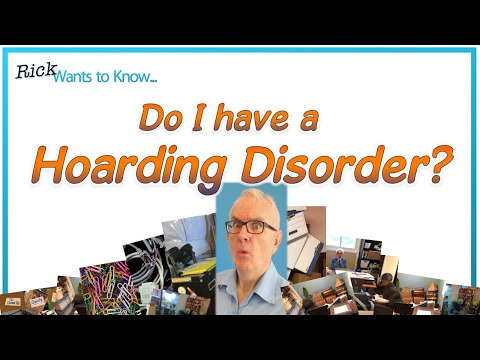
Do I have a hoarding disorder? I have closets crammed full of stuff. Stacks of 5 or 6 boxes. Every surface piled with more stuff!

Moving to a much smaller house has created a crisis of clutter for us. Not just personal stuff. Hundreds of video tapes and scripts from television series. Paperwork. Memorabilia We’re living in a rummage sale!

Before sorting through a box to decide what to keep, I have to clear a flat surface. But where do I put that stuff? Then I need find a place for the ‘keepers.’

It’s been confronting. Emotional. And difficult. And I’m starting to wonder do I have a Hoarding Disorder?!

The Life Changing Magic of Tidying Up – (Amazon)
Spark Joy: An Illustrated Master Class on The Art of Organizing and Tidying Up – w
Tidying Up with Marie Kondo – o


https://grainedecannabis.net/2022/10/08/how-did-i-get-too-much-stuff/

Friday, September 16, 2022

How did I get so much stuff?

featured image

Do I have a hoarding disorder? My closets are stuffed with stuff. I have stacks of five to six boxes. Stockpiled with more stuff on every surface!

We have experienced a lot of clutter since we moved to a smaller house. It’s not just personal stuff. There are hundreds of tapes and scripts of television series. Paperwork. Memorabilia

Before I can sort through a box and decide what to keep, it is important to make sure that there is a flat surface. What about the stuff I need to keep? Next, I must find a place to store the ‘keepers.

It has been challenging. Emotional. It can be difficult. It’s becoming increasingly difficult to understand if I might have a hoarding disorder.

The Life-Changing Magic of Tidying up – (Amazon )
Spark Joy: An Illustrated Masterclass on the Art of Organizing & Tidying Up –
Marie Kondo’s Tidying Up – o


https://bestanxietycrystals.com/how-did-i-get-so-much-stuff/

Friday, September 2, 2022

Hoarding Disorder - It’s More than Messy

featured image

Hoarding used to be a subtype of obsessive-compulsive disorder. A person would have persistent thoughts of collecting or acquiring things, or rituals of holding on to items.

But research using functional brain imaging has shown that different areas of the brain are affected with hoarding than with OCD. So with the 2013, 5th edition of the diagnostic manual, hoarding and OCD were pulled out of the anxiety disorder section and hoarding became it’s own disorder under the compulsive disorders section of the manual along with OCD, hair pulling, skin picking and body dysmorphia.

Other conditions associated with hoarding are being indecisive,
Perfectionism
Procrastination
And trouble planning and organizing tasks

Animal hoarding is an unofficial subtype of hoarding where you accumulate a large number of animals but fail to provide minimum standards of nutrition and sanitation for the animals.

WANT TO START IN THERAPY? Here’s a convenient and affordable option

For a monthly fee, you get a REAL licensed therapist with whom you can meet weekly by phone, video or chat. You can also send daily messages.

You have access to webinars on various topics. The unlimited texting feature allows you to type out your concerns or questions and get a well thought out response from your therapist. Some of them will help you set goals, give you worksheets, etc. If you use this link you will get a 10% discount on your first month. This is an option I’ve researched. I get a referral commission if you sign up.

Want to know more about mental health and self-improvement? On this channel I discuss topics such as bipolar disorder, major depression, anxiety disorders, attention deficit disorder (ADHD), relationships and personal development/self-improvement. I upload weekly. If you don’t want to miss a video, click here to subscribe.

Disclaimer: All of the information on this channel is for educational purposes and not intended to be specific/personal medical advice from me to you. Watching the videos or getting answers to comments/question, does not establish a doctor-patient relationship. If you have your own doctor, perhaps these videos can help prepare you for your discussion with your doctor.


https://adhdadulttreatment.com/hoarding-disorder-its-more-than-messy/

What’s the difference between an ADHD brain vs. normal brain? What's an ADHD brain scan vs. normal brain scan look like? How does the attention deficit hyperactivity disorder brain work? Why is an ADHD brain different? How does ADHD affect the brain? How you can help your child’s brain with ADHD. What is ADHD and what are examples of ADHD treatment for the brain?

Dr. Lori Desautels (Teacher, Author, Professor) discusses different areas of the ADHD brain. What sort of ADHD symptoms occur where and what do they look like? Dr. Sarah Levin Allen (Pediatric Neuropsychologist) talks with SmartCourse founder, Adrien Harrison, and walks us through 4 different ADHD strategies caregivers can use when working with kids with ADHD brains. The clips are taken from Smart Course’s extensive database of masterclasses for caregivers of students with ADHD.

You can have access to this and many other top-quality masterclasses through Smart Course's ADHD Summit. Go to our website and register now!

___


WANT MORE CONTENT LIKE THIS? ACCESS THE ADHD SUMMIT:
VISIT: 1


CHANGE THE WORLD FOR KIDS WITH ADHD
Support us on Patreon! Get exclusive perks & merch!
VISIT: ​


DOWNLOAD OUR EXPERT-CURATED LIST OF RESOURCES


Sign-up for our newsletter and we'll send you our expert-curated list of ADHD resources including:

- General ADHD resources that every caregiver should have
- ADHD resources specific to school accommodations and education services
- and much, much more...

Visit our website to sign up: r

LEARN MORE ABOUT OUR SUMMIT & COURSE ON HELPING CAREGIVERS OF KIDS WITH ADHD
This short preview cannot possibly address all concerns about the topics covered in our summit & course on parenting, educating, and treating kids with ADHD.


For more information about Smart Course's best content visit:
1


JOIN OUR EXPERT-LED EDUCATION & SUPPORT GROUP FOR PARENTS OF KIDS WITH ADHD

If you have questions, please request to join our Facebook Group Community: ​


REACH OUT TO US ON SOCIALS


Subscribe to our YouTube channel: ​


Follow us on Facebook: o


Follow us on Pinterest: ​


Follow us on LinkedIn: s


Follow us on Twitter: ​


or email: support@smartcourse.io


We will respond promptly.


For more information about Smart Course in general, please visit: o

Wednesday, August 31, 2022

Hoarding Disorder - It's More than Messy

featured image

Hoarding used to be a subtype of obsessive-compulsive disorder. The person would be obsessed with collecting, acquiring or maintaining a certain ritual of keeping things.

Functional brain imaging research has shown that hoarding is more common than OCD. With the 2013, 5th Edition of the diagnostic manual, OCD and hoarding were removed from the anxiety disorder section. Hoarding was now a separate disorder in the compulsive disorders subsection.

Additional conditions that can be associated with hoarding include being indecisive,
Perfectionism
Procrastination
It is difficult to plan and organize
tasks
Animal hoarding, a subtype of hoarding in which you have accumulated large numbers of animals and failed to provide adequate nutrition and sanitation, is an unofficial form of hoarding.

WANT TO GET STARTED IN THERAPY This is a great and economical option

You can have weekly sessions with a licensed therapist for a monthly charge. You can also send daily messages.

Access to webinars on a variety of topics is available. You can use unlimited texting to send your questions or concerns and receive a thoughtful response from your therapist. Some will help you to set goals or give you worksheets. You can get a 10% coupon for your first month by using this link. This is an option that I have researched. Sign up to receive a referral bonus.

You want to learn more about mental health, self-improvement and other topics? On this channel I discuss topics such as bipolar disorder, major depression, anxiety disorders, attention deficit disorder (ADHD), relationships and personal development/self-improvement. I upload weekly. Click here to subscribe if you don’t wish to miss a video.

Disclaimer: The information contained on this channel is intended for education purposes only and does not constitute specific/personal medical advice. The videos and the answers to questions/comments do not create a doctor-patient relationship. These videos may be helpful for you if you are a patient of your own doctor.


https://medbusiness.net/hoarding-disorder-its-more-than-messy/

Dissociation is an experience where your attention and emotions are disconnected from the present moment. It’s like you’re here, but your mind and emotions are somewhere else. This is a general term and experience. I talked in a previous video about depersonalization and derealization. Those are specific kinds of dissociative experiences. With depersonalization you feel detached or disconnected from yourself so you may feel like you’re observing yourself. With derealization, you feel disconnected from your environment. You may feel like the room you’re in isn’t real or that you’re in a different place than you really are.

An example of this is experiencing a car accident where you smelled the burning rubber of your tires. Then whenever you are riding in a car you think you smell the rubber again.

That is an example of a dissociative experience you can have after the trauma experience. But sometimes you can dissociate during a traumatic event. This can be your mind’s way of protecting you from a situation where there is no escape.

This is pretty common during physical or sexual trauma when you can’t get away. In order to endure the assault, you brain turns down your response to pain and numbs your emotional response. In your mind you may go to another place such that it feels like it’s really not happening to you.

During the traumatic experience, that kind of reaction helps you survive it. But then sometimes dissociation becomes a built in defense mechanism that you employ in other situations that are unrelated to trauma.

For example, you can be triggered to feel disconnected or numb in response to something that reminded you of the trauma, even if you weren’t consciously aware of the trigger. You can just feel empty all the time and not know why.


Smells and sounds can remind you of the trauma in a way that your body responds with anxiety and fear, but you don’t always put it together why you’re feeling anxious. It’s like the fragmented memories can come flooding back in response to sights, sounds and touch.

Anxiety is another trigger that can send you into a dissociative state. So let’s say you are under a lot of stress at work. You can have trouble relating to people at work because with the added stress, you start zoning out at work. Or you start withdrawing from people because you feel like you’re a stranger and your coworkers make you feel uncomfortable.

What can you do about this? The best treatments are trauma-focused cognitive behavior therapy, prolonged exposure, and eye movement desensitization and reprocessing.

One self-help approach is to use grounding techniques.
Grounding techniques bring your awareness back to the present moment where you ARE safe. It’s like getting your bearing and refocusing. You can use sensory grounding or cognitive grounding. Sensory grounding uses the five senses to bring you back to the present moment and cognitive grounding uses your thoughts to remind yourself that you ARE in a safe place.

Sensory grounding exercises:
The 5-4-3-2-1 sensory exercise.
Use a grounding smell that can bring your attention back to the present.
Carry a sensory grounding object in your pocket.
Splash cold water on your face and neck.

Cognitive grounding exercises:
Show yourself that you’re safe.
Orient yourself to time and place.
Repeat an inspiring quote or saying that’s comforting to you.
Say coping statements like I can handle this, my situation is so much better now, these feelings with pass, etc.

Want to know more about mental health and self-improvement? On this channel I discuss topics such as bipolar disorder, major depression, anxiety disorders, attention deficit disorder (ADHD), relationships and personal development/self-improvement. I upload weekly. If you don’t want to miss a video, click here to subscribe.

Disclaimer: All of the information on this channel is for educational purposes and not intended to be specific/personal medical advice from me to you. Watching the videos or getting answers to comments/question, does not establish a doctor-patient relationship. If you have your own doctor, perhaps these videos can help prepare you for your discussion with your doctor.

Sunday, August 28, 2022

How Did I Get TOO Much Stuff?

featured image

Do I have a hoarding disorder? I have closets crammed full of stuff. Stacks of 5 or 6 boxes. Every surface piled with more stuff!

Moving to a much smaller house has created a crisis of clutter for us. Not just personal stuff. Hundreds of video tapes and scripts from television series. Paperwork. Memorabilia We’re living in a rummage sale!

Before sorting through a box to decide what to keep, I have to clear a flat surface. But where do I put that stuff? Then I need find a place for the ‘keepers.’

It’s been confronting. Emotional. And difficult. And I’m starting to wonder do I have a Hoarding Disorder?!

The Life Changing Magic of Tidying Up – (Amazon)
Spark Joy: An Illustrated Master Class on The Art of Organizing and Tidying Up – w
Tidying Up with Marie Kondo – o


https://assistedlivingseniorcare.org/how-did-i-get-too-much-stuff/

Tuesday, August 23, 2022

The Psychology of Disorganization and Clutter / the real reasons you can't get organized or clean up

featured image

This video discusses the real causes of excessive disorganization and clutter, and invites us to look within to find the root of the issue by performing self-analysis and self-therapy. It can help us understand what our messy house is secretly trying to tell us. I hope it is enormously helpful and transformative for you! Please note that this video is directed towards those who have the physical capability to clean and get organized (which is not the case for everyone) but still feel completely hopeless and overwhelmed by the task. Change is possible when we understand our own psychology and begin to address the issues that have set us back! Remember to view this video through a lens of self compassion, and know that we have the ability to change our lives if we desire to do so!

Please subscribe to our channel where we cover all topics having to do with clutter and disorganization as well as self-growth and emotional well-being topics such as anxiety relief, mindfulness, self-care and acceptance, living in the moment, motivation, cultivating joy and much more! Thanks so much for watching!

Podcast Discussed In Clip:
/>
Other Clutter and Disorganization Videos:
The Psychology of Sentimental Item Attachment & How to Let Them Go: />*How Clutter Affects Our Mental Health: />
Conquering Clutter Playlist: />
Nena is a certified life coach, author, and motivational speaker with a background in developmental and personality psychology that specializes in personal development. Nothing brings her more happiness than helping others lead more meaningful, joyful, and fulfilling lives. Nena also has a weekly podcast called “Pathways To Happiness” available on multiple platforms.

MAKE LIFE EXTRAORDINARY!

#disorganization #getorganized #organizeyourlife #outerorder #messyhouse #cantgetorganized #gettingorganized #disorganized #howtogetorganized #cleaning #psychology #psychologyofdisorganization #hoarding #comfortzone #selfdevelopment #personaldevelopment #lifetransformation #howtocreatenewhabits #newhabits2020 #goals #selfesteem #lovingmyself #howtotrustmyself #howtolovemyself #believeinyourself #reachingyourgoals #stickingtogoals #lawofattraction #changingmylife #newlife #newdecade #selfgrowth #personalgrowth #lifeimprovement #selfimprovement #psychology #mentalhealth #lifecoach #selfawareness #becomingahappierperson #motivation #changingyourlife #upgradingyourlife #creatingnewhabits #breakingoldhabits #breakingbadhabits #leavingthepastbehind #lettingthepastgo #gettingcontroloflife #notincontroloflife


https://adhdadulttreatment.com/the-psychology-of-disorganization-and-clutter-the-real-reasons-you-cant-get-organized-or-clean-up/
Intro to Ad class, fall 2011

Friday, August 5, 2022

How Did I Get TOO Much Stuff?

featured image

Do I have a hoarding disorder? I have closets crammed full of stuff. Stacks of 5 or 6 boxes. Every surface piled with more stuff!

Moving to a much smaller house has created a crisis of clutter for us. Not just personal stuff. Hundreds of video tapes and scripts from television series. Paperwork. Memorabilia We’re living in a rummage sale!

Before sorting through a box to decide what to keep, I have to clear a flat surface. But where do I put that stuff? Then I need find a place for the ‘keepers.’

It’s been confronting. Emotional. And difficult. And I’m starting to wonder do I have a Hoarding Disorder?!

The Life Changing Magic of Tidying Up – (Amazon)
Spark Joy: An Illustrated Master Class on The Art of Organizing and Tidying Up – w
Tidying Up with Marie Kondo – o


https://brain-therapy.com/how-did-i-get-too-much-stuff/

In this episode, I discuss what drives hunger and satiety, and the role our brain, stomach, fat and hormones play in regulating hunger and turning off the desire to eat more. I also address how protein is assimilated better early in the day than it is later in the day, and why those using intermittent fasting might want to shift their feeding window to earlier in the day.

Then I delve into the topic of disorders of eating: Anorexia Nervosa, where people starve themselves and Bulimia Nervosa where people binge and purge their food. I discuss some common myths about Anorexia such as the role of media images increasing the rates of anorexia and the myth of the "perfectionist" anorexic. I also review the symptoms, and the brain and chemical systems disrupted in this condition. I explain how anorexics become hyperaware of the fat content of foods and develop reflexive habits of fat-hyperawareness. Then I discuss the most effective treatments ranging from family-based models to those that target the habitual nature of low-fat/calorie food choices. I also discuss new more experimental clinical trials on MDMA, Psilocybin and Ibogaine for Anorexia, and both their promise and risks.

I review the latest work on binge eating disorder and brain stimulation, drug treatments and thyroid disruption in Bulimia and why the treatments for Bulimia are so similar to those for ADHD. Finally, I discuss "cheat days," body dysmorphia and the growing list of novel forms of eating disorders start to finish. As always, science and science-based tools are discussed.

Thank you to our sponsors:
Belcampo - -- code "huberman"
Headspace - r
Athletic Greens - n

Support Research in Huberman Lab at Stanford:
g

Our Patreon page:
n

Supplements from Thorne:
n

Social:
Instagram - b
Twitter - b
Facebook - b
Website - m
Join Newsletter - k

Links:
Ingesting Protein in the Morning Supports Muscle Maintenance & Growth: 7

Studies Using Virtual Reality to Explore Eating & Hunger & Body Image:
a

8

Timestamps:
00: 00: 00 Introduction: Fasting, & Defining Healthy Eating
00: 08: 55 Morning Protein Is Important
00: 22: 04 Sponsors
00: 26: 29 Defining & Diagnosing Eating Disorders
00: 29: 00 Anorexia Nervosa (Overview & Myths)
00: 33: 44 Bulimia (Overview & Myths)
00: 37: 35 Binge Eating Disorders, EDNOS, OSFEDS, Pica
00: 39: 44 What is Hunger? What is Satiety?
00: 42: 00 Neuronal & Hormonal “Accelerators & Brakes” on Eating
00: 46: 17 Fat, Leptin & Fertility & Metabolic Dysfunctions in Obesity
00: 50: 30 Why We Overeat
00: 55: 30 Homeostasis & Reward Systems/Decisions
00: 59: 58 Anorexia
01: 04: 28 The Cholesterol Paradox
01: 06: 13 Psychological vs. Biological/Genetic Factors in Anorexia
01: 09: 44 Chemical Imbalances, Serotonergic Treatments
01: 12: 56 Altered Habits & Rewards in Anorexia: Hyperacuity for Fat Content
01: 18: 28 Brain Areas for Reward Based Decision Making vs. Habits
01: 24: 06 Habit-Reward Circuits Are Flipped in Anorexics: Reward for Deprivation
01: 28: 30 How Do You Break a Habit?
01: 33: 23 Family Based Models, Cognitive Behavioral Therapy
01: 35: 39 MDMA, Psilocybin, Clinical Trials, Ibogaine
01: 40: 35 Anabolic vs. Catabolic Exercise, Spontaneous Movements, NEAT
01: 43: 23 Distorted Self Image in Anorexia
01: 47: 54 Bulimia & Binge-Eating, “Cheat Days”, Thyroid Hormone
01: 53: 05 Inhibitory Control, Impulsivity, Adderall, Wellbutrin
01: 58: 00 Direct Brain Stimulation: Nucleus Accumbens
02: 04: 28 Anorexia/Reward. vs Bulimia/Binging
02: 05: 45 Healthy Eating Revisited
02: 10: 55 Synthesis, Body Dysmorphias
02: 14: 15 Support: Podcast, & Research Studies


Please note that The Huberman Lab Podcast is distinct from Dr. Huberman's teaching and research roles at Stanford University School of Medicine. The information provided in this show is not medical advice, nor should it be taken or applied as a replacement for medical advice. The Huberman Lab Podcast, its employees, guests and affiliates assume no liability for the application of the information discussed.

Title Card Photo Credit: Mike Blabac - m

Tuesday, June 28, 2022

How did I get so much stuff?

featured image

Do I have a hoarding disorder? My closets are stuffed with stuff. I have stacks of five to six boxes. You can stack more stuff on every surface!

We have experienced a lot of clutter since we moved to a smaller house. It’s not just personal stuff. There are hundreds of tapes and scripts of television series. Paperwork. Memorabilia

Before I can sort through a box and decide what to keep, it is important to make sure that there is a flat surface. What about the stuff I need to keep? Next, I must find a place to store the ‘keepers.

It has been challenging. Emotional. It can be difficult. It’s becoming increasingly difficult to understand if I might have a hoarding disorder.

The Life-Changing Magic of Tidying up – (Amazon )
Spark Joy: An Illustrated Masterclass on the Art of Organizing & Tidying Up –
Marie Kondo’s Tidying Up – o


http://adhdadulttreatment.com/how-did-i-get-so-much-stuff/

The ADHD Planner - Undated Daily Weekly Schedule Organizer Journal for Disorganized People - Habit Tracker Record Emotions & Mood - Academic Goals - Structure & Focus for Adults Brains (Spiral) (Red)

Product Description Undated ✓ ✓ ✓ ✓ ✓ ✓ Habit Tracker ✓ ✓ ✓ ✓ ✓ ✓ Academic Goals ✓ ✓ ✓ ✓ ✓ Password Manager No No No No ✓ ✓ Weekly Reflectio...