To support our channel and level up your health, check out:
Our Fast Weight Loss Course:
Our Better Health Basics Course:
=======================
Eating Disorders: The Silent Killer Among Us
Although the term “eating” is in the name, eating disorders are about more than food. They’re complex mental health conditions that often require the intervention of medical and psychological experts to alter their course.
These disorders are described in the American Psychiatric Association’s Diagnostic and Statistical Manual of Mental Disorders, fifth edition.
Do you have the newest eating disorder—it has to do with snacking and binge eating. Let’s find out. Step 1: /> DATA: /
Overview of Healthy Ketogenic Diet and Intermittent Fasting: /> /> Timestamps 0: 07 What is binge eating? 0: 23 Do you have this binge eating disorder? 1: 05 The drug for a binge eating disorder 1: 38 Side effects of Vyvanse 2: 05 My opinion on snacking and binge eating 2: 13 How to stop binge eating
Could your snacking or binge eating be a medical disease? In this video, we’re going to find out.
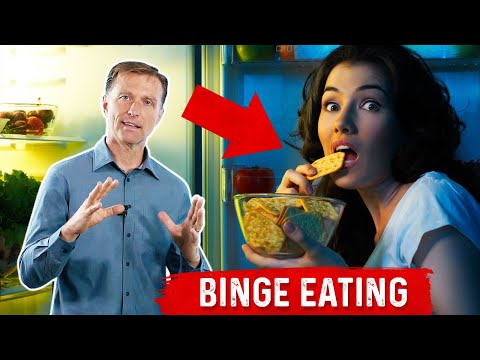
The newest eating disorder is called Binge Eating Disorder or (B.E.D).
Signs of a binge eating disorder:
• Excessive eating at least 1 time a week for 3 months • Eating every 2 hours • Eating more rapidly • Eating until uncomfortable • Eating alone • Feeling guilty after eating • Being on a fad diet where you cut out food groups • Engaging in sporadic fasting and binging
There is a drug for a binge eating disorder called Vyvanse. This is a new application of an old drug that has been used for other things. It’s the only FDA approved solution for this disease.
Side effects of a Vyvanse:
• Sudden cardiac death • Stroke • Significant high blood pressure • Psychosis • High rate of abuse • Seeing and hearing things
I am definitely not promoting Vyvanse as the solution to this disease. It’s my opinion that snacking and binge eating is not a medical disease. I think it’s a normal thing that a lot of people go through, and if they just did healthy keto combined with intermittent fasting, their need for snacks would go down.
Talk to a Product Advisor to find the best product for you! Call 1-540-299-1556 with your questions about Dr. Berg’s products. Product Advisors are available Monday through Friday 8am-6pm and Saturday 9am-5pm EST.
At this time, we no longer offer Keto Consulting and our Product Advisors will only be advising on which product is best for you and advise on how to take them.
Dr. Eric Berg DC Bio: Dr. Berg, 56 years of age is a chiropractor who specializes in Healthy Ketosis & Intermittent Fasting. He is the author of The New Body Type Guide and other books published by KB Publishing. He has taught students nutrition as an adjunct professor at Howard University. He no longer practices, but focuses on health education through social media.
DR. BERG’S SHOP: 5
Follow us on FACEBOOK: fb.me/DrEricBerg
Send a Message to his team: m.me/DrEricBerg
ABOUT DR. BERG: Y
Disclaimer: Dr. Eric Berg received his Doctor of Chiropractic degree from Palmer College of Chiropractic in 1988. His use of “doctor” or “Dr.” in relation to himself solely refers to that degree. Dr. Berg is a licensed chiropractor in Virginia, California, and Louisiana, but he no longer practices chiropractic in any state and does not see patients so he can focus on educating people as a full time activity, yet he maintains an active license. This video is for general informational purposes only. It should not be used to self-diagnose and it is not a substitute for a medical exam, cure, treatment, diagnosis, and prescription or recommendation. It does not create a doctor-patient relationship between Dr. Berg and you. You should not make any change in your health regimen or diet before first consulting a physician and obtaining a medical exam, diagnosis, and recommendation. Always seek the advice of a physician or other qualified health provider with any questions you may have regarding a medical condition.
Thanks for watching! If you want to decrease your need for snacking and binge eating the natural way, consider giving healthy keto combined with intermittent fasting a try.
Hey bubs, today we’ll be discussing the popular ADHD medication Elvanse / Vyvanse / Tyvense / Lisdexamfetamine and my experiences with it. We will discuss the side effects and how it affects me, as well as why it is better than other ADHD medications like Concerta/Ritalin and Adderall.
After trying various methods to manage my ADHD, including diet, meditation, exercise, and other therapies, I was finally diagnosed with ADHD – Combination Type (both ADD/ADHD). Each of these methods worked in their own way, but I preferred medication because I had to be motivated, able to control my impulses and have the discipline to follow through with these lifestyle enhancements. My ADHD was too severe for me to continue using them all and needed medical intervention.
Now I’m extremely happy and productive.
Disclaimer: I am not a physician, psychiatrist, pharmacist, or other medical professional. If you think you might have ADHD, need medication or are having problems with your mental health, please seek medical attention.
Stalk me My socials: Goodreads: www.goodreads.com/TheProcrastinatorFiles Twitter: www.twitter.com/dantemay_cry Snapchat: DanteMay_Cry Instagram: www.instagram.com/dantemay_cry/ Discord: DanteMay_Cry#1184 Tumblr: www.tumblr.com/blog/dantemay-cry
Become a Supporting Member (Join us with Paypal or Credit Card) Learn More here ► /
Gain access to Membership videos and courses!
===
In the 2nd video of this series we explore Carl Jung's ideas on how to recover from an anxiety disorder.
===
Get the transcript (and art-work) ► /
Sign up for our newsletter ► /
===
Patreon ► s
Bitcoin ► 1P6ntukFENP1nvEf4bJNj3tsDEuiSyUFW6
Paypal ► s
===
Subscribe to us on iTunes: 3
===
Do you have the newest eating disorder–it has to do with snacking and binge eating. Let’s see what happens. Step 1: DATA: /
Overview of Healthy Ketogenic Diet & Intermittent Fasting: /> /> Timestamps 0: 07 What’s binge-eating? 0: 23 Are you suffering from this type of binge-eating disorder? 1: 05 The drug for a binge eating disorder 1: 38 Side Effects of Vyvanse 2: 05 My opinion on snacking and binge eating 2: 13 Stop binging
Could binge-eating and snacking be a sign of a medical condition? We’ll find out in this video.
Binge Eating Disorder, or (B.E.D.) is the newest eating disorder.
Signs that you may have a binge-eating disorder Exceedive eating for at least one time per week for 3 months Every 2 hours Eating faster Eating until uncomfortable Eating alone Feeling guilty after eating Following a diet that cuts out certain food groups Participating in sporadic fasting
Vyvanse is a medication that treats binge-eating disorders. This new drug is an old drug that was previously used for other purposes. This is the only FDA-approved treatment for this condition.
Side effects of Vyvanse:
Sudden cardiac death Stroke Significantly high blood pressure Psychosis High abuse rate Seeing and Hearing
Vyvanse is not the answer to this problem. I believe that binging and snacking is not a medical condition. It’s something that many people do. If they did healthy keto and intermittent fasting, it would reduce their need for snacking.
Talk to a Product Advisor for the best product! Call 1-540-299-1556 with your questions about Dr. Berg’s products. Monday to Friday, 8am-6pm; Saturday, 9am-5pm EST.
We no longer offer Keto Consulting. Our Product Advisors will advise you on the best product for you, and how to use them.
Dr. Eric Berg DC Bio Dr. Berg is a chiropractor who specializes on Healthy Ketosis & Intermittent Fasting. The New Body Type Guide is his book. Howard University has been an adjunct professor in nutrition. He is no longer a practitioner, but now focuses on health education via social media.
DR. BERG’S SHOP: 5
Follow us on FACEBOOK: fb.me/DrEricBerg
Send a Message to his team: m.me/DrEricBerg
ABOUT DR.BERG: Y
Disclaimer: Dr. Eric Berg graduated from Palmer College of Chiropractic, 1988.. Dr. Eric Berg’s use of the title “doctor” and “Dr.” refers only to his degree. Although Dr. Berg is licensed in Virginia, California and Louisiana as a chiropractor, he does not practice chiropractic in any other state. He also doesn’t see patients to allow him to focus on education, which he still holds an active license. This video is intended for informational purposes only. This video should not be used for self-diagnosis. It is not intended to replace a medical exam or treatment. This does not establish a doctor-patient relationship with Dr. Berg. Before making any changes to your diet or health, consult a doctor and get a diagnosis, medical exam, and recommendation. Any questions regarding a medical condition should be directed to a qualified physician.
Thank you for watching! You can reduce snacking and binging naturally by giving healthy keto with intermittent fasting an attempt.
It would be great if people with ADHD could have their brains scanned and the results would illuminate a flashing neon sign that definitively diagnosed the condition, but of course it's never that simple. We'll be discussing ADHD's diagnosis and common treatments in the final episode.
You can also watch the other episodes of this series at
Part 1 -
Part 2 - U
>> Sign up for Seeker+ Click the little icon to select "all."
>> Continue reading! t
>> Visit our shop at
Research shows that ADHD brains behave differently to neurotypical brains. However, imaging technology such as CT scans or PET scans or MRIs cannot be used to diagnose ADHD. This is partly because they aren't sensitive enough to distinguish between possible causes and work on a case by case basis.
Although there are many tests that can be done to diagnose ADHD, it is not necessary. You can diagnose it through interview, observation, and so on. It is often just a matter of the observations of a trained medical professional such as a psychiatrist, psychologist, pediatrician, or other mental health professionals.
The symptoms must be present for at least six months, in at least two settings (at school or at home) and have to have a negative impact on work, school, or personal functioning. Patients below 17 need to have at least 6 symptoms. 17 or higher must have at most 5. However, even medical professionals can't guarantee a correct diagnosis.
#ADHD #ADD #Neuroscience #Seeker #SeekerPlus
--
Continue reading
Diagnosis Attention deficit hyperactivity disorder
/
It is difficult to diagnose ADHD in adults because it is not clear if the same symptoms that were used to diagnose ADHD in children and teens also apply to adults. An adult might be diagnosed with ADHD in some cases if they exhibit 5 or more symptoms of inattentiveness or hyperactivity or impulsiveness as listed in the diagnostic criteria for ADHD .
ADHD Medications for Children and Adults: ADD Stimulants, ADD Nonstimulants & Many
"Adderall. Vyvanse. Ritalin. Strattera. Concerta. There are many ADHD medications available, making it difficult to find the right treatment. An ADHD specialist will explain the stimulant and other options for children and adults in terms that we can all understand ." .
How technology can help you cope with ADHD
/
"Technology can help ADHDers by stimulating the brain, but it can also slow down the brain through meditation practices and apps like Calm, Headspace and Open. This includes mindfulness and movement. Is technology necessary to meditate? No. However, it can help to achieve results. Absolutely."
Neuro Transmissions
d
Neuro Transmissions was founded by Alie, a neuroscientist, and Micah, a clinical therapist. Their mission is to explain the brain. . . simply!"
--
Seeker+ is your place for deep dives and fun facts. Julian Huguet, host of Seeker+, will be sharing his passion for science, history and future topics. He'll make sure you are the smartest person at the next trivia night.
--
Seeker helps the curious understand science that shapes our world. We tell award-winning stories that explore the impact of natural forces and innovative innovations on our lives, planet, and universe.
Follow us on TikTok: tiktok.com/@seeker
Follow us on Instagram: instagram.com/seeker/
Follow us on Twitter at twitter.com/seeker
In this episode, I discuss what drives hunger and satiety, and the role our brain, stomach, fat and hormones play in regulating hunger and turning off the desire to eat more. I also address how protein is assimilated better early in the day than it is later in the day, and why those using intermittent fasting might want to shift their feeding window to earlier in the day.
Then I delve into the topic of disorders of eating: Anorexia Nervosa, where people starve themselves and Bulimia Nervosa where people binge and purge their food. I discuss some common myths about Anorexia such as the role of media images increasing the rates of anorexia and the myth of the “perfectionist” anorexic. I also review the symptoms, and the brain and chemical systems disrupted in this condition. I explain how anorexics become hyperaware of the fat content of foods and develop reflexive habits of fat-hyperawareness. Then I discuss the most effective treatments ranging from family-based models to those that target the habitual nature of low-fat/calorie food choices. I also discuss new more experimental clinical trials on MDMA, Psilocybin and Ibogaine for Anorexia, and both their promise and risks.
I review the latest work on binge eating disorder and brain stimulation, drug treatments and thyroid disruption in Bulimia and why the treatments for Bulimia are so similar to those for ADHD. Finally, I discuss “cheat days,” body dysmorphia and the growing list of novel forms of eating disorders start to finish. As always, science and science-based tools are discussed.
Thank you to our sponsors: Belcampo – — code “huberman” Headspace – r Athletic Greens – n
Support Research in Huberman Lab at Stanford: g
Our Patreon page: n
Supplements from Thorne: n
Social: Instagram – b Twitter – b Facebook – b Website – m Join Newsletter – k
Links: Ingesting Protein in the Morning Supports Muscle Maintenance & Growth: 7
Studies Using Virtual Reality to Explore Eating & Hunger & Body Image: a
8
Timestamps: 00: 00: 00 Introduction: Fasting, & Defining Healthy Eating 00: 08: 55 Morning Protein Is Important 00: 22: 04 Sponsors 00: 26: 29 Defining & Diagnosing Eating Disorders 00: 29: 00 Anorexia Nervosa (Overview & Myths) 00: 33: 44 Bulimia (Overview & Myths) 00: 37: 35 Binge Eating Disorders, EDNOS, OSFEDS, Pica 00: 39: 44 What is Hunger? What is Satiety? 00: 42: 00 Neuronal & Hormonal “Accelerators & Brakes” on Eating 00: 46: 17 Fat, Leptin & Fertility & Metabolic Dysfunctions in Obesity 00: 50: 30 Why We Overeat 00: 55: 30 Homeostasis & Reward Systems/Decisions 00: 59: 58 Anorexia 01: 04: 28 The Cholesterol Paradox 01: 06: 13 Psychological vs. Biological/Genetic Factors in Anorexia 01: 09: 44 Chemical Imbalances, Serotonergic Treatments 01: 12: 56 Altered Habits & Rewards in Anorexia: Hyperacuity for Fat Content 01: 18: 28 Brain Areas for Reward Based Decision Making vs. Habits 01: 24: 06 Habit-Reward Circuits Are Flipped in Anorexics: Reward for Deprivation 01: 28: 30 How Do You Break a Habit? 01: 33: 23 Family Based Models, Cognitive Behavioral Therapy 01: 35: 39 MDMA, Psilocybin, Clinical Trials, Ibogaine 01: 40: 35 Anabolic vs. Catabolic Exercise, Spontaneous Movements, NEAT 01: 43: 23 Distorted Self Image in Anorexia 01: 47: 54 Bulimia & Binge-Eating, “Cheat Days”, Thyroid Hormone 01: 53: 05 Inhibitory Control, Impulsivity, Adderall, Wellbutrin 01: 58: 00 Direct Brain Stimulation: Nucleus Accumbens 02: 04: 28 Anorexia/Reward. vs Bulimia/Binging 02: 05: 45 Healthy Eating Revisited 02: 10: 55 Synthesis, Body Dysmorphias 02: 14: 15 Support: Podcast, & Research Studies
Please note that The Huberman Lab Podcast is distinct from Dr. Huberman’s teaching and research roles at Stanford University School of Medicine. The information provided in this show is not medical advice, nor should it be taken or applied as a replacement for medical advice. The Huberman Lab Podcast, its employees, guests and affiliates assume no liability for the application of the information discussed.
Do you have the newest eating disorder—it has to do with snacking and binge eating. Let’s find out. Step 1: /> DATA: /
Overview of Healthy Ketogenic Diet and Intermittent Fasting: /> /> Timestamps 0: 07 What is binge eating? 0: 23 Do you have this binge eating disorder? 1: 05 The drug for a binge eating disorder 1: 38 Side effects of Vyvanse 2: 05 My opinion on snacking and binge eating 2: 13 How to stop binge eating
Could your snacking or binge eating be a medical disease? In this video, we’re going to find out.
The newest eating disorder is called Binge Eating Disorder or (B.E.D).
Signs of a binge eating disorder:
• Excessive eating at least 1 time a week for 3 months • Eating every 2 hours • Eating more rapidly • Eating until uncomfortable • Eating alone • Feeling guilty after eating • Being on a fad diet where you cut out food groups • Engaging in sporadic fasting and binging
There is a drug for a binge eating disorder called Vyvanse. This is a new application of an old drug that has been used for other things. It’s the only FDA approved solution for this disease.
Side effects of a Vyvanse:
• Sudden cardiac death • Stroke • Significant high blood pressure • Psychosis • High rate of abuse • Seeing and hearing things
I am definitely not promoting Vyvanse as the solution to this disease. It’s my opinion that snacking and binge eating is not a medical disease. I think it’s a normal thing that a lot of people go through, and if they just did healthy keto combined with intermittent fasting, their need for snacks would go down.
Talk to a Product Advisor to find the best product for you! Call 1-540-299-1556 with your questions about Dr. Berg’s products. Product Advisors are available Monday through Friday 8am-6pm and Saturday 9am-5pm EST.
At this time, we no longer offer Keto Consulting and our Product Advisors will only be advising on which product is best for you and advise on how to take them.
Dr. Eric Berg DC Bio: Dr. Berg, 56 years of age is a chiropractor who specializes in Healthy Ketosis & Intermittent Fasting. He is the author of The New Body Type Guide and other books published by KB Publishing. He has taught students nutrition as an adjunct professor at Howard University. He no longer practices, but focuses on health education through social media.
DR. BERG’S SHOP: 5
Follow us on FACEBOOK: fb.me/DrEricBerg
Send a Message to his team: m.me/DrEricBerg
ABOUT DR. BERG: Y
Disclaimer: Dr. Eric Berg received his Doctor of Chiropractic degree from Palmer College of Chiropractic in 1988. His use of “doctor” or “Dr.” in relation to himself solely refers to that degree. Dr. Berg is a licensed chiropractor in Virginia, California, and Louisiana, but he no longer practices chiropractic in any state and does not see patients so he can focus on educating people as a full time activity, yet he maintains an active license. This video is for general informational purposes only. It should not be used to self-diagnose and it is not a substitute for a medical exam, cure, treatment, diagnosis, and prescription or recommendation. It does not create a doctor-patient relationship between Dr. Berg and you. You should not make any change in your health regimen or diet before first consulting a physician and obtaining a medical exam, diagnosis, and recommendation. Always seek the advice of a physician or other qualified health provider with any questions you may have regarding a medical condition.
Thanks for watching! If you want to decrease your need for snacking and binge eating the natural way, consider giving healthy keto combined with intermittent fasting a try.
/>
Vyvanse, the brand-name form of lisdexamfetamine, is a prescription medication used for the treatment of Attention-Deficit Hyperactivity Disorder, or ADHD. It is also approved for the treatment of moderate to severe Binge Eating Disorder (B.E.D.) in adults. Vyvanse belongs to a group of drugs called central nervous system stimulant medications. These help increase attention, decrease impulsiveness, and decrease hyperactivity in people with ADHD by changing the amounts of certain natural substances in the brain.
This medication comes in capsule form and is taken once daily, in the morning, with or without food.
Common side effects of Vyvanse include decreased appetite, dizziness, irritability, feeling jittery, anxiety, and nausea.
Picking up on the drama of the previous episode, we continue the series on how ADHD affects our social skills. As many of you know, social skills are more challenging for us than others who don't have #ADHD. And even within the ADHD population, there are some who are more impacted by this symptom than others.
WHY THIS TOPIC?
I chose "Over/Under reacting" as the number-three of the most worrisome Social Skills because it is a theme that has popped up in my life enough that caused me to think there was something wrong with my personality. I've lost friends over this particular quirk and it's led me down paths where I prioritized things that didn't need immediate attention and catastrophized events that didn't warrant the drama I gave to it.
NEED TO CATCH UP?
Need to catch up on the videos about Social Skills? Find them here:
Ep. 5 "That Was Awkward" ADHD and Social Awkwardness" Q
Ep. 5.2 "Five (5) Tips to Fix Your Social Skills Ills" 8
Here are the Social Skills covered so far in Ep. 5.2
5. Blowing off or canceling plans on friends and other commitments.
4. Not paying attention to what is being said to you in conversations
3. (this episode) Under Reacting or Over Reacting (or "inappropriate" reactions to information or circumstances presented.
INTERESTING STUFF ABOUT YOUR ADHD
Check out this helpful article from Understood.org The information applies to adults and children.
s
As mentioned in this episode, learn here how raising your awareness can improve your social skills.
BE AWARE! ADHD
How does your awareness affect your social skills, your life skills even?
Find out here!
ADHD Insight: Third-Person Awareness
Y
FIND OUT IF YOU REALLY HAVE ADHD
If you have not received an official ADHD diagnosis but want one, here is a self-assessment to help you on your journey. The assessment is provided by the Attention Deficit Disorder Association. NOTE: Just like all self-assessments on the internet, this will not give you an official medical diagnosis of ADHD. Self-diagnosis is the conversation starters between you and your healthcare provider when seeking a medical diagnosis.
ADHD Self-assessment
/
Your diagnosis must come from a healthcare professional from any of the following areas of practice (this is not an exhaustive list.)
Psychiatrist
Psychologist (will refer you to a psychiatrist for prescription meds if you choose to try them)
General Practitioner
Internist (that's where I received my first prescriptions)
Pediatrician
Neurologist
Any licensed Medical Doctor or health care professional who is knowledgeable about ADHD, current on treatment options, and ideally, has experience treating adult ADHD
MUSIC CREDITS:
Funk City by Reatch
Creative Commons — Attribution 3.0 Unported— CC BY 3.0
Free Download / Stream:
Music promoted by Audio Library 8
Jazzaddict's Intro by Cosimo Fogg (201)
Creative Commons — Attribution 3.0 Unported— CC BY 3.0
Free Download / Stream:
Music promoted by Audio Library M
Swing Rabbit ! Swing ! by Amarià
Creative Commons — Attribution 3.0 Unported — CC BY 3.0
Free Download / Stream:
Music promoted by Audio Library M
Do you have the newest eating disorder—it has to do with snacking and binge eating. Let’s find out. Step 1: /> DATA: /
Overview of Healthy Ketogenic Diet and Intermittent Fasting: /> /> Timestamps 0: 07 What is binge eating? 0: 23 Do you have this binge eating disorder? 1: 05 The drug for a binge eating disorder 1: 38 Side effects of Vyvanse 2: 05 My opinion on snacking and binge eating 2: 13 How to stop binge eating
Could your snacking or binge eating be a medical disease? In this video, we’re going to find out.
The newest eating disorder is called Binge Eating Disorder or (B.E.D).
Signs of a binge eating disorder:
• Excessive eating at least 1 time a week for 3 months • Eating every 2 hours • Eating more rapidly • Eating until uncomfortable • Eating alone • Feeling guilty after eating • Being on a fad diet where you cut out food groups • Engaging in sporadic fasting and binging
There is a drug for a binge eating disorder called Vyvanse. This is a new application of an old drug that has been used for other things. It’s the only FDA approved solution for this disease.
Side effects of a Vyvanse:
• Sudden cardiac death • Stroke • Significant high blood pressure • Psychosis • High rate of abuse • Seeing and hearing things
I am definitely not promoting Vyvanse as the solution to this disease. It’s my opinion that snacking and binge eating is not a medical disease. I think it’s a normal thing that a lot of people go through, and if they just did healthy keto combined with intermittent fasting, their need for snacks would go down.
Talk to a Product Advisor to find the best product for you! Call 1-540-299-1556 with your questions about Dr. Berg’s products. Product Advisors are available Monday through Friday 8am-6pm and Saturday 9am-5pm EST.
At this time, we no longer offer Keto Consulting and our Product Advisors will only be advising on which product is best for you and advise on how to take them.
Dr. Eric Berg DC Bio: Dr. Berg, 56 years of age is a chiropractor who specializes in Healthy Ketosis & Intermittent Fasting. He is the author of The New Body Type Guide and other books published by KB Publishing. He has taught students nutrition as an adjunct professor at Howard University. He no longer practices, but focuses on health education through social media.
DR. BERG’S SHOP: 5
Follow us on FACEBOOK: fb.me/DrEricBerg
Send a Message to his team: m.me/DrEricBerg
ABOUT DR. BERG: Y
Disclaimer: Dr. Eric Berg received his Doctor of Chiropractic degree from Palmer College of Chiropractic in 1988. His use of “doctor” or “Dr.” in relation to himself solely refers to that degree. Dr. Berg is a licensed chiropractor in Virginia, California, and Louisiana, but he no longer practices chiropractic in any state and does not see patients so he can focus on educating people as a full time activity, yet he maintains an active license. This video is for general informational purposes only. It should not be used to self-diagnose and it is not a substitute for a medical exam, cure, treatment, diagnosis, and prescription or recommendation. It does not create a doctor-patient relationship between Dr. Berg and you. You should not make any change in your health regimen or diet before first consulting a physician and obtaining a medical exam, diagnosis, and recommendation. Always seek the advice of a physician or other qualified health provider with any questions you may have regarding a medical condition.
Thanks for watching! If you want to decrease your need for snacking and binge eating the natural way, consider giving healthy keto combined with intermittent fasting a try.
Trying to make it easier for them to understand how our ADHD brains work! How do YOU explain it to your neurotypical friends?
Wanna duet this video? Find me on Tiktok @hiddenadhd
⭐⭐ FREE RESOURCES! ⭐⭐
ADHD Guides:
➡️ NEW: The 5 ADHD Motivation Mistakes To Avoid s
➡️ NEW: ADHD 101 5-Day Course 1
➡️ AUDIENCE FAVORITE: 10 Productivity Mistakes All ADHDers Make y
Action Guides:
➡️ Clarity Questionnaire + Life Purpose Tool s
➡️ Atomic Habits c
➡️ Willpower Doesn't Work r
➡️ Personality Isn't Permanent y
➡️ Ultralearning g
MAKE ADHD SUCK LESS
►SMASH Productivity Training E-course e
►1:1 Coaching with Aron Croft g
►Free Live Interactive Event e
LET'S GET SOCIAL
►Website: m
►TikTok: d
►FB Page: /
►FB Group: 0
►Instagram: /
RECOMMENDED VIDEOS
►MY STORY (Harvard to Minimum Wage):
►My experience with Vyvanse, Concerta, Ritalin, and Adderal c
MY MISSION
To raise awareness about non-hyperactive ADHD (what I call "Hidden ADHD") to help others who are struggling with it. I want them to know what they can do about it. I want them to know that they're not lazy, unmotivated, and willfully irresponsible. I want them to know they can realize their potential and create the life of their dreams.
Hey bubs, today we’ll be discussing the popular ADHD medication Elvanse / Vyvanse / Tyvense / Lisdexamfetamine and my experiences with it. We’ll go over the side effects, how it makes me feel, why I chose it over popular ADHD treatments such as Adderall and Concerta/Ritalin, and its limitations.
I was diagnosed with ADHD – Combination type (both ADD and ADHD) during December 2019 and have finally received medication intervention after trying to manage the disorder with other methods such as diet, meditation, and exercise. Although each of those methods were effective in their own ways, the reason why I chose medication is because it takes a lot of motivation, impulse control, and dedication to keep up with these lifestyle enhancers, but my ADHD was too severe to maintain any of them and I needed medical intervention to help.
I am now extremely happy and productive.
Disclaimer: I am not a doctor, medical professional, psychiatrist, pharmacist or any of the sort. Please seek medical help if you suspect you may have ADHD, need medication, are struggling with your health (including mental), or have binge eating disorder and need help!
Stalk me 🖤 My socials: Goodreads: www.goodreads.com/TheProcrastinatorFiles Twitter: www.twitter.com/dantemay_cry Snapchat: DanteMay_Cry Instagram: www.instagram.com/dantemay_cry/ Discord: DanteMay_Cry#1184 Tumblr: www.tumblr.com/blog/dantemay-cry
Hey bubs, today we’ll be discussing the popular ADHD medication Elvanse / Vyvanse / Tyvense / Lisdexamfetamine and my experiences with it. We’ll go over the side effects, how it makes me feel, why I chose it over popular ADHD treatments such as Adderall and Concerta/Ritalin, and its limitations.
I was diagnosed with ADHD – Combination type (both ADD and ADHD) during December 2019 and have finally received medication intervention after trying to manage the disorder with other methods such as diet, meditation, and exercise. Although each of those methods were effective in their own ways, the reason why I chose medication is because it takes a lot of motivation, impulse control, and dedication to keep up with these lifestyle enhancers, but my ADHD was too severe to maintain any of them and I needed medical intervention to help.
I am now extremely happy and productive.
Disclaimer: I am not a doctor, medical professional, psychiatrist, pharmacist or any of the sort. Please seek medical help if you suspect you may have ADHD, need medication, are struggling with your health (including mental), or have binge eating disorder and need help!
Stalk me 🖤 My socials: Goodreads: www.goodreads.com/TheProcrastinatorFiles Twitter: www.twitter.com/dantemay_cry Snapchat: DanteMay_Cry Instagram: www.instagram.com/dantemay_cry/ Discord: DanteMay_Cry#1184 Tumblr: www.tumblr.com/blog/dantemay-cry
Check out my free webinar that will show you exactly how to reduce ADHD symptoms naturally →
Did you know that gluten and dairy can actually create opiate-like effects in children with ADHD and make their behavior significantly worse? Watch this video to learn more.
★☆★ SUBSCRIBE TO THE CHANNEL ★☆★
Subscribe → e
★☆★ FOLLOW US ONLINE ★☆★
Website →
Instagram →
Facebook Community →
LinkedIn →
★☆★ ABOUT ADHD Thrive Institute ★☆★
ADHD Thrive Institute is dedicated to helping families impacted by ADHD with all natural strategies.
★☆★ WORK WITH US ★☆★
Are you a parent with a child who has ADHD?
Then chances are, you’ve got some big goals to achieve to be able to gain control over your child’s symptoms?
You want to help your child. You want a calmer household. You want to feel less stressed and more in control and to start enjoying your child again.
Then book a free call to chat with one of our expert coaches →
Gluten and Dairy=Behavior Problems with ADHD→ LINK TO VIDEO HERE
In this episode, I discuss what drives hunger and satiety, and the role our brain, stomach, fat and hormones play in regulating hunger and turning off the desire to eat more. I also discuss why protein is more easily absorbed early in the morning than later in the afternoon, and why intermittent fasters might want to shift their feeding windows to earlier in the days.
Next, I discuss disorders of eating. Bulimia Nervosa is where people eat a lot and Anorexia Nervosa is where they starve. I also discuss common myths surrounding Anorexia, such as how media images can increase the rate of anorexia and what the myth is about the “perfectionist anorexic”. I also discuss the symptoms and how the brain and chemical system are affected by this condition. I discuss how anorexics can become hyperaware about the fat content of food and develop reflexive patterns of fat-hyperawareness. Next, I will discuss the most effective treatment options. These can be family-based or targeted at the habitual nature low-fat/calorie foods. I discuss the latest clinical trials of MDMA, Psilocybin, and Ibogaine for Anorexia. I also discuss their potential and downsides.
I discuss the most recent research on Bulimia, brain stimulation, drug therapies and thyroid disruption in Bulimia. It is also why these treatments are similar to ADHD’s. The final part of my discussion is about “cheat days”, body dysmorphia, and other new eating disorders. Science and science-based tools are also discussed.
We are grateful to our sponsors: Belcampo – — code “huberman” Headspace – Athletic Greens –
Support Research at Stanford Huberman Lab: g
Our Patreon page n
Supplements from Thorne n
Social: Instagram – b Twitter – b Facebook – b Website – m Subscribe to the Newsletter – k
Links: Consuming Protein in the Morning supports Muscle Maintenance and Growth: 7
Study of Virtual Reality in Eating and Hunger: a
8
Timestamps: 00: 00: 00 Introduction: Fasting, & Defining Healthy Eating 00: 08: 55 Morning Protein Is Important 00: 22: 04 Sponsors 00: 26: 29 Defining & Diagnosing Eating Disorders 00: 29: 00 Anorexia Nervosa (Overview & Myths) 00: 33: 44 Bulimia (Overview & Myths) 00: 37: 35 Binge Eating Disorders, EDNOS, OSFEDS, Pica 00: 39: 44 What is Hunger? What is Satiety? 00: 42: 00 Neuronal & Hormonal “Accelerators & Brakes” on Eating 00: 46: 17 Fat, Leptin & Fertility & Metabolic Dysfunctions in Obesity 00: 50: 30 Why We Overeat 00: 55: 30 Homeostasis & Reward Systems/Decisions 00: 59: 58 Anorexia 01: 04: 28 The Cholesterol Paradox 01: 06: 13 Psychological vs. Biological/Genetic Factors in Anorexia 01: 09: 44 Chemical Imbalances, Serotonergic Treatments 01: 12: 56 Altered Habits & Rewards in Anorexia: Hyperacuity for Fat Content 01: 18: 28 Brain Areas for Reward Based Decision Making vs. Habits 01: 24: 06 Habit-Reward Circuits Are Flipped in Anorexics: Reward for Deprivation 01: 28: 30 How Do You Break a Habit? 01: 33: 23 Family Based Models, Cognitive Behavioral Therapy 01: 35: 39 MDMA, Psilocybin, Clinical Trials, Ibogaine 01: 40: 35 Anabolic vs. Catabolic Exercise, Spontaneous Movements, NEAT 01: 43: 23 Distorted Self Image in Anorexia 01: 47: 54 Bulimia & Binge-Eating, “Cheat Days”, Thyroid Hormone 01: 53: 05 Inhibitory Control, Impulsivity, Adderall, Wellbutrin 01: 58: 00 Direct Brain Stimulation: Nucleus Accumbens 02: 04: 28 Anorexia/Reward. vs Bulimia/Binging 02: 05: 45 Healthy Eating Revisited 02: 10: 55 Synthesis, Body Dysmorphias 02: 14: 15 Support: Podcast, & Research Studies
The Huberman Lab Podcast does not include Dr. Huberman’s research and teaching roles at Stanford University School of Medicine. This podcast is not intended to replace medical advice. The Huberman Lab Podcast, its guests, and affiliates, assume no responsibility for the use of the information.
ADHD symptoms differ in children and adults. Dr. Harry Croft is the HealthyPlace.com Medical Director and explains the differences between ADHD symptoms for children and ADHD symptoms for adults.
The HealthyPlace.com ADHD Information Center has extensive information about ADHD in children and adults.
Here is my 41stweek update on Vyvanse to treat my Binge Eating Disorder.
Comment with any questions and subscribe to my channel!
xo Nic
http://adhdadulttreatment.com/vyvanse-week-41/
Anxiety is defined as "a feeling of worry, nervousness, or unease about something with an uncertain outcome" and in psychology, also when perceiving a real or imagined threat. Anxiety is a feeling of tension or mental strain that occurs when people are exposed to negative, emotionally draining or stressful circumstances. What are the symptoms of physical anxiety? These are 6 Things Your Body Does When You Feel Anxiety.
#anxity #psych2go
Suggested videos:
The 5 Major Anxiety Disorders
/>
6 Signs That You Might Have Anxiety, But Not Know It
/>
Calming Relaxing Anxiety-Free Frequency:
M
Anxiety Playlist
/>
Featured Channel(s),
Brain Education is a YouTube channel dedicated to self-improvement for the brain. It offers weekly brain tips, routines and hacks. You can see their video about 6 exercises to increase neuroplasticity in the description.
6 Exercises to Enhance Neuroplasticity Video:
A
Credits
Script Writer: Kayleigh H.
VO: Lily Hu
Animator: Lesly
YouTube Manager Cindy Cheong
References:
Oxford Dictionaries "Anxiety"
Diffen: Parasympathetic and Sympathetic Nervous Systems
McEwen, B. S., & Stellar, E. (1993). Stress and the Individual: The Mechanism leading to Disease. Archives of Internal Medicine. 153(18), 2093-2101.