Pages

Showing posts with label transcranial. Show all posts

Monday, October 17, 2022

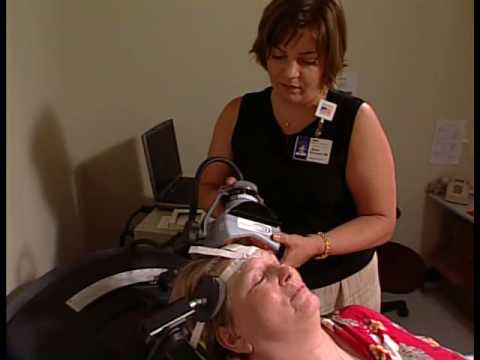
Transcranial Magnetic Stimulation (TMS) for Depression

featured image

Follow us on Facebook: y
Follow us on Twitter: @y
Follow us on Google+:

Everybody has had a “blues” moment at one time or another. Clinical depression, which can affect 19 millions Americans every year, can leave you feeling helpless, hopeless, and sad. While many people are helped by antidepressant medication, what options are available if these don’t work for you? Emory is currently testing a new non-drug therapy.

Background

This VNR is about a patient suffering from depression for many years. She is currently exploring other options because she hasn’t been able to get her medication to work. Emory recently offered her enrollment in the TMS program.

Soundbites: Dr. William M. McDonald and Barbara Powell, Patients Suffering From Depression

More Information

Fuqua Gift to Emory Researcher Will Promote Depression Research
l

Targeting Depression
d


https://adhdadulttreatment.com/transcranial-magnetic-stimulation-tms-for-depression/

The Study: x

Monday, September 26, 2022

Depression, Anxiety, ADHD treatment with Transcranial Magnetic Stimulation (rTMS)

featured image

How Does rTMS Work?
rTMS is a medical grade magnet that is used to balance the speed of abnormal operating nerves in the brain. The magnet sends a signal that can be varied to stimulate or slow down the nerves in the specific regions. For example:

rTMS FOR DEPRESSION: The normal pattern that scientists expect brains to work at is 15 – 20 pulses per second (pps) on the left front portion of the brain, also called the frontal lobe. Patients whose brains run below 15pps have symptoms that typically include depression.

rTMS FOR ANXIETY: Normally, the left side of the brain works at a higher frequency than the right side. When this pattern reverses, and the right brain works at a higher frequency, the individual often exhibits symptoms that doctors call anxiety. This right brain dominance may be due to the right brain working too fast, or the left brain not working fast enough, or both.

rTMS FOR OTHER CONDITIONS: We can also use rTMS to improve abnormal frequencies in the brain; either stimulating or quieting it, to treat a wide variety of conditions.


https://medbusiness.net/depression-anxiety-adhd-treatment-with-transcranial-magnetic-stimulation-rtms/

Does your young child have ADHD? Deciding if your child should be tested for ADHD during the preschool years is not easy. Most families wait until children start school before an evaluation. But when needed, ADHD can be diagnosed as early as three years old.

What do you need to know before seeking an evaluation? And how can you and your child’s health care provider determine what behaviors are part of normal development and which ones signal possible ADHD symptoms? Dr. Mark Mahone will talk with participants about ADHD in preschoolers, best practices for treatment and obstacles that families often face in getting their children needed help. He’ll also share with parents strategies they can use to enhance healthy brain development and reduce learning vulnerabilities in preschoolers.

Tuesday, August 2, 2022

Depression, Anxiety, ADHD treatment with Transcranial Magnetic Stimulation (rTMS)

featured image

How Does rTMS Work?
rTMS is a medical grade magnet that is used to balance the speed of abnormal operating nerves in the brain. The magnet sends a signal that can be varied to stimulate or slow down the nerves in the specific regions. For example:

rTMS FOR DEPRESSION: The normal pattern that scientists expect brains to work at is 15 – 20 pulses per second (pps) on the left front portion of the brain, also called the frontal lobe. Patients whose brains run below 15pps have symptoms that typically include depression.

rTMS FOR ANXIETY: Normally, the left side of the brain works at a higher frequency than the right side. When this pattern reverses, and the right brain works at a higher frequency, the individual often exhibits symptoms that doctors call anxiety. This right brain dominance may be due to the right brain working too fast, or the left brain not working fast enough, or both.

rTMS FOR OTHER CONDITIONS: We can also use rTMS to improve abnormal frequencies in the brain; either stimulating or quieting it, to treat a wide variety of conditions.


https://adhdadulttreatment.com/depression-anxiety-adhd-treatment-with-transcranial-magnetic-stimulation-rtms/

What is ADHD? Attention-deficit/hyperactivity disorder, more commonly known as ADHD, is a disorder in which children are more apt to have trouble learning because they have difficulty maintaining attention, are hyperactive or impulsive, and may have trouble with organization and planning. On this week’s On Call for All Kids, Jennifer Katzenstein, Ph.D., ABPP-CN, co-director for the Center for Behavioral Health at Johns Hopkins All Children’s Hospital, provides some effective tips to help parents better understand ADHD. Learn more: D

The ADHD Planner - Undated Daily Weekly Schedule Organizer Journal for Disorganized People - Habit Tracker Record Emotions & Mood - Academic Goals - Structure & Focus for Adults Brains (Spiral) (Red)

Product Description Undated ✓ ✓ ✓ ✓ ✓ ✓ Habit Tracker ✓ ✓ ✓ ✓ ✓ ✓ Academic Goals ✓ ✓ ✓ ✓ ✓ Password Manager No No No No ✓ ✓ Weekly Reflectio...