How to get a Diagnosis To receive perks, join this channel n
Please be aware that I am not a physician.
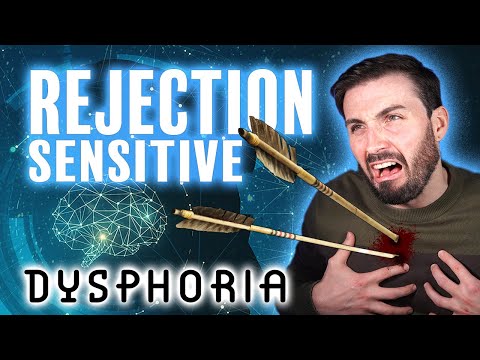
ADHD is often associated with high levels of emotion, rejection-sensitive dysphoria and overwhelm. It can also be associated with anger outbursts, irrational reactions, and low stress tolerance.
How to get a Diagnosis ➡️ Join this channel to get access to perks ➡️ n
Please note I am not a medical professional.
ADHD is commonly linked with heightened intensity of emotion, rejection-sensitive dysphoria, overwhelm, low frustration and stress tolerance, anger outbursts and irrational reactionary responses.
This episode serves as a sort of "Dopamine Masterclass". Dopamine is a powerful chemical we all produce in our brains and bodies. I explain what dopamine is and how it works in the brain. I discuss dopamine baselines and dopamine peak levels, as well as the cell biology behind dopamine depletion. I include 14 tools for how to control your dopamine release for sake of motivation, focus, avoiding and combating addiction and depression, and I explain why dopamine stacking with chemicals and behaviors inevitably leads to states of underwhelm and poor performance. I discuss how to sustain increases in baseline dopamine and the compounds that injure or protect dopamine neurons, including caffeine from certain sources. Non-prescription supplements that increase dopamine are described, including their risks and benefits. I also discuss the synergy between pro-dopamine supplementation with those that increase Acetylcholine.
#HubermanLab #Dopamine #Motivation
We are grateful to our sponsors:
ROKA - -- Code "huberman "
InsideTracker -
Headspace -
Logitech Event: Rethink Education: The Biology of Learning
l
Support Research at Stanford Huberman Lab:
g
Our Patreon page
n
Supplements from Thorne
n
Social:
Instagram - b
Twitter - b
Facebook - b
Website - m
Newsletter - k
Links:
Review of Dopamine: 7
5 Cold Exposure and Dopamine
Timestamps:
00: 00: 00 Introduction & Tool 1 to Induce Lasting Dopamine
00: 04: 48 Sponsors: Roka, InsideTracker, Headspace
00: 09: 10 Upcoming (Zero-Cost) Neuroplasticity Seminar for Educators
00: 09: 58 What Dopamine (Really) Does
00: 15: 30 Two Main Neural Circuits for Dopamine
00: 18: 14 How Dopamine Is Released: Locally and Broadly
00: 22: 03 Fast and Slow Effects of Dopamine
00: 25: 03 Dopamine Neurons Co-Release Glutamate
00: 28: 00 Your Dopamine History Really Matters
00: 30: 30 Parkinson's & Drugs That Kill Dopamine Neurons. My Dopamine Experience
00: 36: 58 Tool 3 Controlling Dopamine Peaks & Baselines
00: 40: 06 Chocolate, Sex (Pursuit & Behavior), Nicotine, Cocaine, Amphetamine, Exercise
00: 46: 46 Tool 4 Caffeine Increases Dopamine Receptors
00: 49: 54 Pursuit, Excitement & Your "Dopamine Setpoint"
00: 56: 46 Your Pleasure-Pain Balance & Defining "Pain"
01: 00: 00 Addiction, Dopamine Depletion, & Replenishing Dopamine
01: 07: 50 Tool 5 Ensure Your Best (Healthy) Dopamine Release
01: 15: 28 Smart Phones: How They Alter Our Dopamine Circuits
01: 19: 45 Stimulants & Spiking Dopamine: Counterproductive for Work, Exercise & Attention
01: 22: 20 Caffeine Sources Matter: Yerba Mate & Dopamine Neuron Protection
01: 24: 20 Caffeine & Neurotoxicity of MDMA
01: 26: 15 Amphetamine, Cocaine & Detrimental Rewiring of Dopamine Circuits
01: 27: 57 Ritalin, Adderall, (Ar)Modafinil: ADHD versus non-Prescription Uses
01: 28: 45 Tool 6 Stimulating Long-Lasting Increases in Baseline Dopamine
01: 37: 55 Tool 7 Tuning Your Dopamine for Ongoing Motivation
01: 47: 40 Tool 8 Intermittent Fasting: Effects on Dopamine
01: 53: 09 Validation of Your Pre-Existing Beliefs Increases Dopamine
01: 53: 50 Tool 9 Quitting Sugar & Highly Palatable Foods: 48 Hours
01: 55: 36 Pornography
01: 56: 50 Wellbutrin & Depression & Anxiety
01: 58: 30 Tool 10 Mucuna Pruriens, Prolactin, Sperm, Crash Warning
02: 01: 45 Tool 11 L-Tyrosine: Dosages, Duration of Effects & Specificity
02: 05: 20 Tool 12 Avoiding Melatonin Supplementation, & Avoiding Light 10pm-4am
02: 07: 00 Tool 13 Phenylethylamine (with Alpha-GPC) For Dopamine Focus/Energy
02: 08: 20 Tool 14 Huperzine A
02: 10: 02 Social Connections, Oxytocin & Dopamine Release
02: 12: 20 Direct & Indirect Effects: e.g., Maca; Synthesis & Application
02: 14: 22 Zero-Cost & Other Ways To Support Podcast & Research
The Huberman Lab Podcast does not include Dr. Huberman's research and teaching roles at Stanford University School of Medicine. This podcast is not intended to replace medical advice. The Huberman Lab Podcast, its guests, and affiliates, assume no responsibility for the use of the information.
Rejection sensitive dysphoria (or RSD) is one of the most disruptive symptoms of ADHD. You may have experienced it, but didn’t know why. In fact, 99% of ADHD adults and teens are more sensitive to rejections than normal. Let’s discuss the symptoms, how it has affected my life, and how I have managed it.
FREE RESOURCES
ADHD Guides: NEW: 5 ADHD Motivation Mistakes You Must Avoid s NEW: ADHD 101 5-Day Program 1 AUDIENCE FAVORITE 10 Productivity Mistakes All ADHDers Make
Action Guides: Clarity Questionnaire + Life Purpose Tool s Atomic Habits c Willpower doesn’t work r
Personality isn’t permanentUltralearning g
MAKE ADHD SLOWER >SMASH Productivity Training E Course e >1:1 Coaching With Aron Croft >Free Interactive Event e
LET’S GET SOCIAL >Website: m >TikTok: d >FB Page: / >FB Group: 0 >Instagram: /
RECOMMENDED VIDEOS >MY STORY: Harvard to Minimum Wage >My experiences with Vyvanse and Concerta, Ritalin, Adderal c MY MISSION To spread awareness about nonhyperactive ADHD (or what I refer to as “Hidden ADHD”) in order to assist others who are suffering from it. They should know what they can do to help. They should know they are not lazy, unmotivated, or willfully irresponsible. They should know that they have the potential to realize their full potential and live the life they desire.
Methylphenidate can also be known by the following brand names: Concerta Daytrana Metadate, Ritalin and Quillivant.
Methylphenidate is available in capsules, tablets, transdermal patches, oral suspension dosage forms, and capsules.
Most commonly, methylphenidate (Methylphenidate) is used to treat attention deficit hyperactivity disorder (ADHD). You may also be prescribed it for other reasons. Talk to your pharmacist or doctor. Methylphenidate should be taken throughout the day. To avoid falling asleep, take your last dose before 3pm.
The standard dose of methylphenidate is 5mg to 60mg per day.
Side effects of methylphenidate include nausea, dizziness and headaches, as well as feeling anxious and excitable, losing appetite and weight loss.
Do not take methylphenidate
You have been taking or had taken MAO inhibitor medication in the past 14 .
You have displayed anxiety, tension, or agitation
You have glaucoma
You have a Tourette syndrome or tic diagnosis in your family.
Remember to tell your doctor if you are taking methylphenidate:
Feel a heartbeat other than normal
Are experiencing a severe headache, stomach upset, or throwing up
Have blurred vision
Take new vitamins and medications.
If you miss a dose,
Take the missed dose immediately after you have thought about it. This drug should not be taken after 6 PM.
Skip the missed dose if it is near the time of your next dose.
Do not take two doses at once or additional doses.
is the best way to store methylphenidate.
Keep at room temperature
Protect from light
Keep it dry. Avoid storing in a refrigerator or bathroom.
Keep all drug in a safe place. All drugs should be kept out of reach of pets and children.
Talk to your pharmacist to learn how to dispose of unused medications.