Publisher : Berkley; Illustrated edition (June 3, 2014) Language : English Paperback : 352 pages ISBN-10 : 0425274063 ISBN-13 : 978-0425274064 Item Weight : 12.6 ounces Dimensions : 6 x 0.9 x 9 inches


Click Buy Now for Updated Price. Estimated Price: 11.99$
Publisher : Berkley; Illustrated edition (June 3, 2014)
Language : English
Paperback : 352 pages
ISBN-10 : 0425274063
ISBN-13 : 978-0425274064
Item Weight : 12.6 ounces
Dimensions : 6 x 0.9 x 9 inches
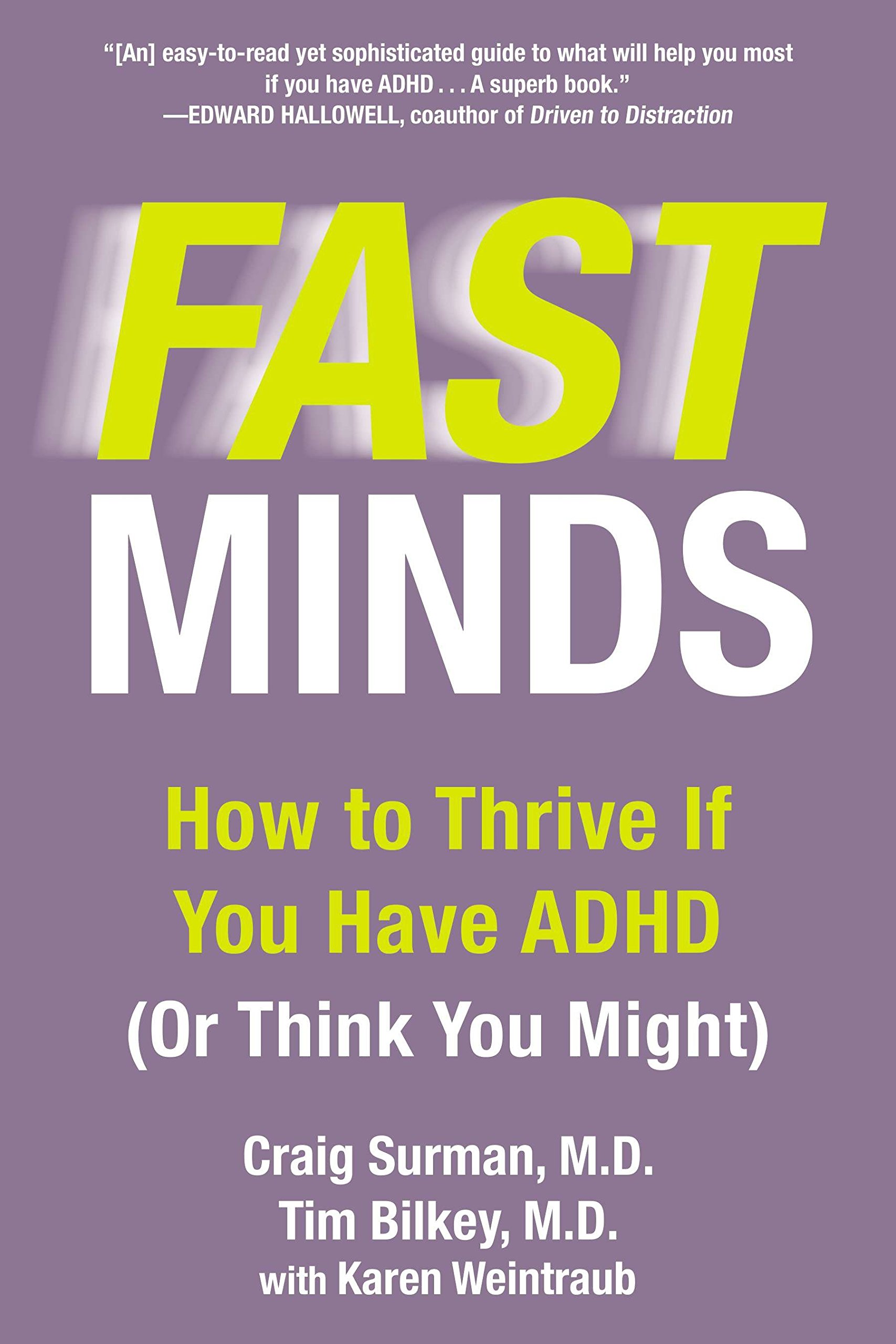
books on adhd, adhd book, how to handle adhd,illustrated,edition,pages,
0143111507
2022-11-22 02: 34: 57
https://adhdadulttreatment.com/fast-minds-how-to-thrive-if-you-have-adhd-or-think-you-might/
In conserving with a recent survey by the Nationwide Institute of Mental Well being (2017), Dread is basically the most customary mental illness, with over 40 million adults within the US on my own being diagnosed yearly. The American Psychological Association (2013) defines alarm as a future-oriented divulge which will lead other folks to succor faraway from scenarios that trigger or aggravate their ache. Originate that you simply would be capable to presumably additionally just occupy got ride with alarm? Originate you already know somebody who is continually anxious? What other indicators of alarm kind you witness? There are actually many forms of alarm considerations, including generalized alarm disorder, Obsessive-compulsive Dysfunction (OCD), Apprehension Dysfunction, Post-Stressful Stress Dysfunction (PTSD) and Social Phobia or Social Dread Dysfunction. That you just would possibly additionally perceive the video right here: Y
#alarm #anxietydisorders
Credit
Script Author: Chloe Avanasa
Script Editors: Kelly Soong
VO: Amanda Silvera
Animator: Napiart
YouTube Manager: Cindy Cheong
Our sources:
Nationwide Institute of Mental Well being. (November 2017). What Are Dread Disorders?. Retrieved from nimh.nih.gov/health/statistics/any-alarm-disorder.shtml
Nolen-Hoeksema, S. (2000). The role of rumination in depressive considerations and combined alarm/depressive indicators. Journal of irregular psychology, 109(3), 504.
Laux, L., & Krohne, H. W. (Eds.). (1982). Achievement, stress, and alarm. Hemisphere Publishing Corporation.
Caplan, S. E. (2006). Relatives among loneliness, social alarm, and problematic Info superhighway use. CyberPsychology & habits, 10(2), 234-242.
Stearns, P. N. (2012). American be troubled: The causes and penalties of excessive alarm. Routledge.
Greenson, R. R. (1959). Phobia, alarm, and despair. Journal of the American Psychoanalytic Association, 7(4), 663-674.
Reiss, S. (1991). Expectancy model of be troubled, alarm, and awe. Clinical psychology review, 11(2), 141-153.
Kinsey, S. G., Bailey, M. T., Sheridan, J. F., Padgett, D. A., & Avitsur, R. (2007). Repeated social defeat causes increased alarm-admire habits and alters splenocyte feature in C57BL/6 and CD-1 mice. Brain, habits, and immunity, 21(4), 458-466.


No comments:
Post a Comment