What Does Cannabidiol Do For the Body?
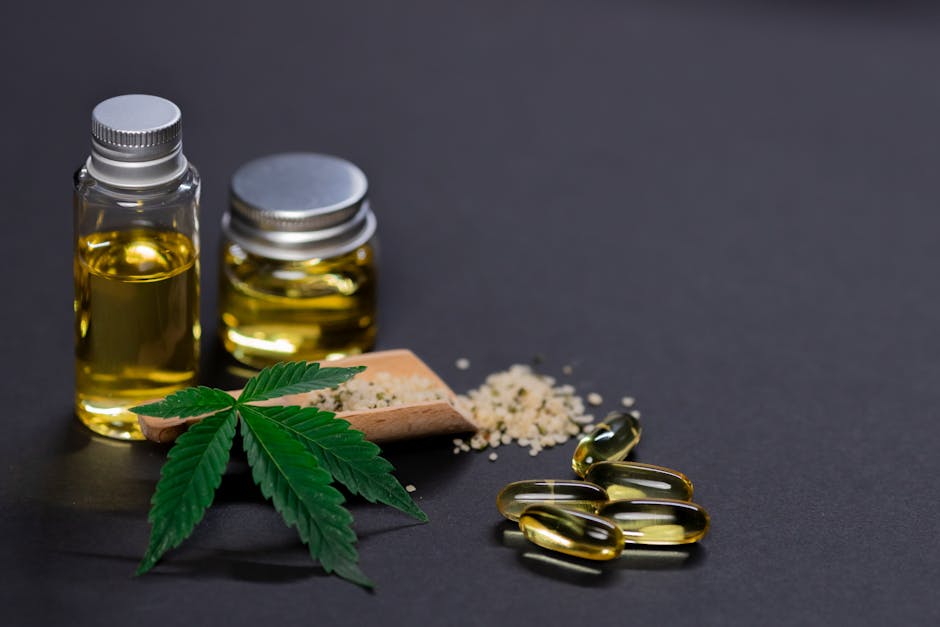
Cannabidiol is a chemical found in cannabis, which has several positive effects on the body. It can alleviate symptoms of anxiety, pain, and inflammation. Its effects vary between individuals and depend on the type of cannabis used. It is now legal to buy and use CBD supplements and cannabis oil without a prescription in the UK.
where can you get cannabis
Cannabidiol, or CBD, is a chemical that is found in marijuana. Unlike THC, this compound does not cause a high. Instead, it acts on the brain’s reward system, causing a higher level of dopamine to be released. This in turn leads to a feeling of euphoria. It is available in several forms, including cannabis extract, edibles, oils, and capsules.
It is legal to obtain cannabis-based medicine in the United States, and a physician with an FDA investigational drug permit may prescribe cannabidiol to a qualifying patient. There are also dispensaries in several states that offer the medication. You should note that each state will have a different process for getting it, and you should always check with the state’s laws before buying it.
Some states have legalized both cannabis and CBD for medical purposes. If this is your state, you should be able to find it without any problems. You can also use CBD for recreational purposes, as long as you have a valid prescription for the drug. It is important to understand your state’s laws on these products, as you can face legal penalties if you do not have a prescription.
what does cannabidiol do
Cannabidiol is a compound in the cannabis plant that regulates several body functions. It boosts your immune system and reduces inflammation. It also helps your body produce white blood cells. The immune system is vital for your health and should work as efficiently as possible. With so many threats in today’s world, it is important to have a strong immune system.
Unlike THC, cannabidiol doesn’t produce a high. It’s a cannabinoid found in hemp and marijuana. It’s an important part of both plants and has been used for medicinal and ritual purposes for thousands of years. However, unlike THC, it does not produce a high and does not stimulate the body’s systems. It also does not cause the same kind of addiction problems as THC does.
CBD is used for a variety of medical conditions and may help with various types of pain. It is also used to treat epilepsy. Studies suggest that it relieves pain by inhibiting the release of compounds that trigger inflammation.
how can cannabis help mental health
Research shows that cannabis can improve brain health and stimulate electrical activity, which may be helpful in treating certain types of mental disorders. For example, marijuana has antiseizure properties and helps patients with Dravet syndrome. Regular use of cannabis also improved seizures in a Lennox-Gastaut syndrome study. It has also been shown to be effective in treating insomnia and recurrent nightmares.
However, patients with mental disorders may be concerned about stigma attached to cannabis use. This can prevent them from discussing their use with their providers. They may also be afraid of being denied treatment or labeled as a substance abuser who needs rehab. However, an open conversation between the patient and psychiatrist can help ease their anxiety and fear.
In addition, it is important to know that withdrawal symptoms from cannabis can last up to a week. For this reason, cannabis users should plan ahead of time to cope with the withdrawal symptoms. For example, it is essential to plan ahead for difficult times and to avoid situations that might encourage relapse.
how can cannabis be good for you
For those suffering from multiple sclerosis, cannabis can help reduce pain and provide relief from the muscle contractions that are associated with the disease. Patients who suffer from this disorder are often unable to find effective treatment, and cannabis may be able to ease their pain and help them return to their previous activities. It is also thought to reduce inflammation, which can lead to cardiovascular disease and type 2 diabetes.
There are many different types of medical cannabis. Its most common use is as a pain reliever. Its effects are not as strong as those of opiates, but it does offer a great deal of pain relief for many patients. It also does not have the addictive properties of opiates, making it a safer alternative.
However, the evidence for the health benefits of cannabis is not all positive. For example, a recent Comprehensive Review of Evidence found that cannabis use can help fight addiction. However, a National Academies of Sciences study concluded that cannabis use increases the risk of developing substance abuse, and that the risk of developing a dependence on cannabis use is higher for young people.
What is complex PTSD or cPTSD and how is it different from PTSD? How do we treat these problems? Think of PTSD as an emotional reaction to a traumatic situation. Complex PTSD is not an official diagnosis in our diagnostic manual. Instead it’s a term used to describe a different kind of experience that a person has from chronic traumatic experiences that occur over time. It’s usually trauma that starts in childhood. This could be either physical, emotional or sexual abuse or neglect. Because the neglect or abuse is occurring during the extremely vulnerable developmental years, the trauma shapes your development and your personality.
Here is the diagnostic criteria for PTSD, taken from the diagnostic and statistical manual of mental disorders. This is for information purposes and not meant to help you self-diagnose. If you suspect you may have PTSD, you should see a professional for an assessment.
Posttraumatic Stress Disorder. The following criteria apply to adults, adolescents, and children older than 6 years.
A Exposure to actual or threatened death, serious injury, or sexual violence in one (or more) of the following ways:
1 Directly experiencing the traumatic event(s).
2 Witnessing, in person, the event(s) as it occurred to others.
3 Learning that the traumatic event(s) occurred to a close family member or close friend. In cases of actual or threatened death of a family member or friend, the event(s) must have been violent or accidental.
4 Experiencing repeated or extreme exposure to aversive details of the traumatic event(s) (e.g., first responders collecting human remains; police officers repeatedly exposed to details of child abuse).
B Presence of one (or more) of the following intrusion symptoms associated with the traumatic event(s), beginning after the traumatic event(s) occurred:
1. Recurrent, involuntary, and intrusive distressing memories of the traumatic event(s).
2. Recurrent distressing dreams in which the content and/or affect of the dream are related to the traumatic event(s).
3. Dissociative reactions (e.g., flashbacks) in which the individual feels or acts as if the traumatic event(s) were recurring.
4. Intense or prolonged psychological distress at exposure to internal or external cues that symbolize or resemble an aspect of the traumatic event(s).
5. Marked physiological reactions to internal or external cues that symbolize or resemble an aspect of the traumatic event(s).
C Persistent avoidance of stimuli associated with the traumatic event(s), beginning after the traumatic event(s) occurred, as evidenced by one or both of the following:
1 Avoidance of or efforts to avoid distressing memories, thoughts, or feelings about or closely associated with the traumatic event(s).
2 Avoidance of or efforts to avoid external reminders (people, places, conversations, activities, objects, situations) that arouse distressing memories, thoughts, or feelings about or closely associated with the traumatic event(s).
D Negative alterations in cognitions and mood associated with the traumatic event(s), beginning or worsening after the traumatic event(s) occurred, as evidenced by two (or more) of the following:
1 Inability to remember an important aspect of the traumatic event(s) (typically due to dissociative amnesia and not to other factors such as head injury, alcohol, or drugs).
2 Persistent and exaggerated negative beliefs or expectations about oneself, others, or the world (e.g., “I am bad,” “No one can be trusted,” “The world is completely dangerous,” “My whole nervous system is permanently ruined”).
3 Persistent, distorted cognitions about the cause or consequences of the traumatic event(s) that lead the individual to blame himself/herself or others.
4 Persistent negative emotional state (e.g., fear, horror, anger, guilt, or shame).
5 Markedly diminished interest or participation in significant activities.
6 Feelings of detachment or estrangement from others.
7 Persistent inability to experience positive emotions (e.g., inability to experience happiness, satisfaction, or loving feelings).
E Marked alterations in arousal and reactivity associated with the traumatic event(s), beginning or worsening after the traumatic event(s) occurred, as evidenced by two (or more) of the following:
1 Irritable behavior and angry outbursts (with little or no provocation) typically expressed as verbal or physical aggression toward people or objects.
2 Reckless or self-destructive behavior.
3 Hypervigilance.
4 Exaggerated startle response.
5 Problems with concentration.
6 Sleep disturbance (e.g., difficulty falling or staying asleep or restless sleep).
F Duration of the disturbance (Criteria B, C, D, and E) is more than 1 month.
G The disturbance causes clinically significant distress or impairment in social, occupational, or other important areas of functioning.
H The disturbance is not attributable to the physiological effects of a substance (e.g., medication, alcohol) or another medical condition.
https://grainedecannabis.net/2022/09/07/what-does-cannabidiol-do-for-the-body-2/
These public speaking anxiety tips will help you overcome nervousness when giving a presenting. FREE 7 Instant Tips for Confident & Composed Public Speaking
These time-tested tips will help take the edge off. This video looks at the both the mindsets and the practical steps to help you deal with anxiety for an oral presentation.
Everybody gets at least a little nervous during presentations. It's probably one of the most common anxiety-producing experiences people have. But, you don't have to let nerves stop you from delivering an effective presentation. How you deal with presentation stress and anxiety will shape how you perform in the moment.
Follow this advice to help you calm your nerves.
Mindset Realizations:
- You don't look as nervous as you feel.
- You can be nervous and still give a great presentation.
- Nervousness is closely related to excitement
Practical Tips:
- Practice like crazy because 95% of your results will get worked out beforehand while practicing even if you are nervous
- Focus on your audience and message, not on how you personally come across
- Visualize the first few moments of the presentation
ALEX’S CLASSES AT COMMUNICATION COACH ACADEMY:
Essential Professional Communication Skills:
Effective Listening Skills for Leaders:
Become More Clear, Concise, & Confident:
The Art of Persuasive Communication for Beginners:
Developing Stakeholder Relationships for Effective Team Leadership:
Present Like a Pro (Intermediate Public Speaking):
ALEX’S CLASSES AT SKILLSHARE (Affiliate):
How to Have a Conversation with Anyone: l
Effective Listening Skills for Leaders:
Public Speaking: How to Open and Close Like a Boss: 3
Public Speaking: Confident Delivery Skills:
Become More Clear, Concise, & Confident: O
The Art of Persuasive Communication for Beginners:
Developing Stakeholder Relationships for Effective Team Leadership: L
Courageous Communication Strategies for Leaders:
Get to know Alex (video): />
Communication Coach, this channel, helps rising leaders like you increase your impact and lead your teams with more excellence. The channel focuses on communication skills for leaders, presentation skills, group and team skills, and conversation skills. If you're looking for self-paced communication skills training, this is the channel for you.
If you have not yet subscribed, I invite you to do so. As always, feel free to post a comment below. I read and respond to almost every single comment.
I post new videos every Monday (unless I'm on vacation).
FB: /> Website: www.alexanderlyon.com
Twitter: m


No comments:
Post a Comment